

 Travel Essentials
 Travel Essentials

Unlock Alaska's seasonal secrets: peak summer for hikes and bears, shoulder months for savings, fall foliage, and winter northern lights viewing.
 Travel Essentials
Alaska’s vast landscapes and dynamic weather patterns make timing your visit crucial for the best experiences. The prime window spans late spring through early fall, offering mild conditions and extended daylight for outdoor pursuits, while off-seasons deliver unique spectacles like the northern lights.
Alaska’s climate varies dramatically by region and elevation, influenced by its northern latitude. Coastal areas tend to be wetter, while interior regions swing between hot summers and frigid winters. Daylight hours shift from nearly 24 in midsummer to just a few in December, dictating activity feasibility. Key factors include temperature ranges from 50-70°F (10-21°C) in summer peaks to below freezing in winter, precipitation patterns with drier springs and wetter falls, and wildlife cycles tied to migration and breeding.
This is Alaska’s bustling high season, drawing crowds for its warmth, endless sun, and active wildlife. Temperatures hover in the 50s to 60s°F (10-18°C), occasionally hitting 70s°F (21°C) inland, with up to 19 hours of daylight around the solstice. Trails thaw, ferries and flights ramp up, and national parks like Denali buzz with visitors.
Expect higher prices and bookings filling months ahead. Families flock here post-school, amplifying crowds at hotspots. Pack layers: mornings chill, afternoons warm, evenings cool. Rain gear is essential, as showers are common even in ‘dry’ summer.
| Month | Avg High (°F) | Daylight (hrs) | Key Events |
|---|---|---|---|
| June | 60-65 | 18-19 | Salmon runs begin, wildflowers bloom |
| July | 65-70 | 17-19 | Peak wildlife, festivals like Bearfest |
| August | 60-65 | 15-17 | Berry season, fewer bugs |
Flanking summer, these months offer balanced weather, reduced crowds, and cost savings up to 30-50% on lodging and tours. May brings greening landscapes and early migrants, with temps in 40s-60s°F (4-15°C) and drier skies. Snow lingers on high passes, limiting some trails but opening others. September dazzles with golden tundra, ‘termination dust’ on peaks, and initial aurora shows, temps 40s-55°F (4-13°C).
Services operate but scale down post-Labor Day. Ideal for independent travelers seeking serenity amid transitioning nature.
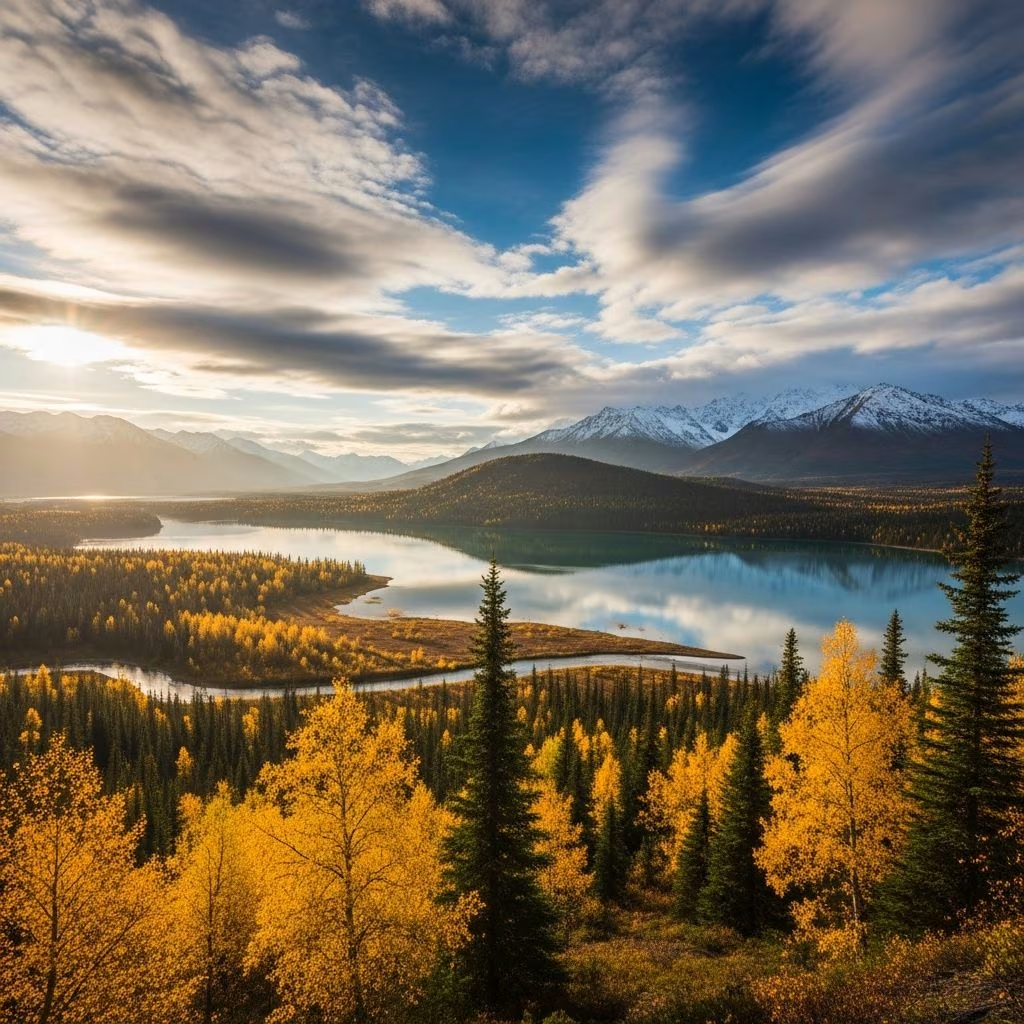
Autumn compresses into weeks of fiery reds, oranges, and golds across birch and aspen. Daytime warmth fades to crisp nights, with rain increasing. Roads remain accessible for self-drive aurora hunts, and lodges empty out. Wildlife focuses on fattening for winter: bears gorge on berries, caribou migrate.
Photographers thrive here, capturing misty mornings and alpenglow. Layer with waterproofs; mud and frost demand sturdy boots.
Dark, snowy months transform Alaska into a northern lights haven. Temps plummet to 0-20°F (-18 to -7°C), with interior spots like Fairbanks hitting -40°F (-40°C). Short days (4-6 hours) suit indoor pursuits or guided snow adventures. Aurora activity surges near equinoxes, best viewed from clear-sky spots away from light pollution.
Affordable off-peak rates lure aurora chasers. Prepare with extreme cold gear: insulated boots, thermals, balaclavas. Flights and trains like the Alaska Railroad offer scenic winter routes.
Winter yields to mud and melt, with April’s lengthening days (12+ hours by month’s end) teasing summer. Coastal snow sloughs off; interior holds longer. Wildlife stirs: eagles nest, seals pup. Fewer visitors mean intimate encounters, though full summer ops lag.
Temperatures climb from 30s to 50s°F (-1 to 10°C). Mud season (‘breakup’) rules trails—gaiters and waterproofs advised.
Alaska’s diversity demands region-specific planning:
Check forecasts via NOAA for microclimates.
| Activity | Best Months | Why? |
|---|---|---|
| Wildlife Viewing | June-August | Active animals, long days for spotting |
| Northern Lights | Sept-April (peak Mar/Sep) | Dark skies, equinox activity |
| Hiking/Camping | May-Sept | Snow-free trails, wildflowers |
| Cruising | May-Sept | Full itineraries, calm seas |
| Skiing/Dog Sledding | Dec-Mar | Deep powder, stable snowpack |
Versatile wardrobes rule: base layers, fleece mid-layers, waterproof shells. Sunglasses/glacier glasses prevent snow blindness. Bug dope for summer midges. Apps like AllTrails, Aurora Forecast aid planning. Book cruises/park shuttles early; shoulder flexibility saves.
Peak summer inflates costs 50-100%; shoulders trim 20-40%. Winter dips lowest, excluding holidays. Multi-day passes for parks cut expenses. Visit mid-week, avoid July 4th/peak solstice.
July balances weather, wildlife, and daylight for comprehensive intro.
No—midnight sun washes out skies; target Sept-April.
Park road opens mid-May; wildlife viewing strong, fewer people.
Coastal southeast gets 60-100+ inches/year; pack rain gear always.
Yes for prepared adventurers—auroras, snow sports; check avalanches.
Tread lightly: stick to trails, wildlife distance (100 yards bears), pack out waste. Support indigenous operators, choose eco-cruises. Off-peak reduces impact on fragile tundra.
