

 Travel Essentials
 Travel Essentials

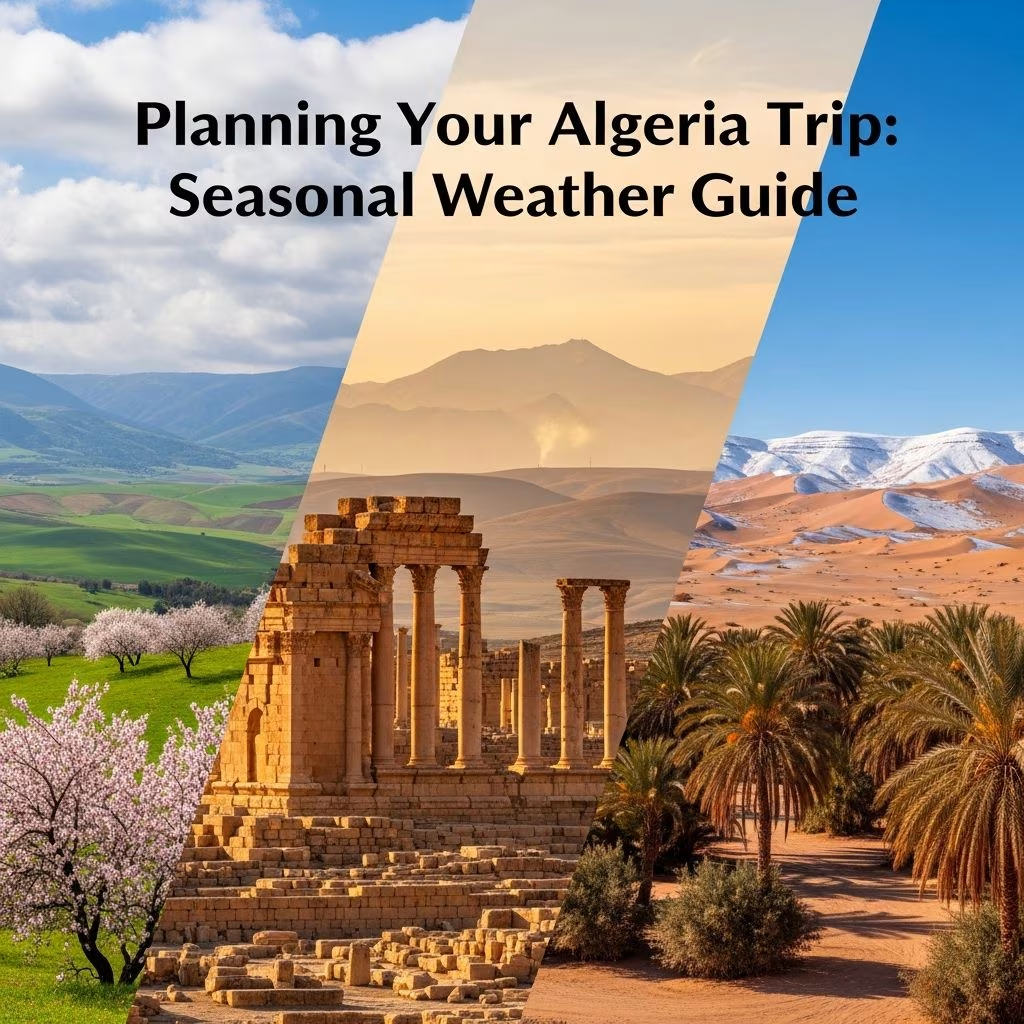
Comprehensive guide to selecting the best travel periods for Algeria based on regional climate patterns, temperature ranges, and seasonal activities.
 Travel Essentials
Algeria’s diverse landscape spans from Mediterranean coastlines to vast desert expanses and mountainous terrain, creating distinct climatic zones that each present unique advantages depending on when you choose to visit. Understanding these regional variations is essential for travelers seeking to maximize comfort and enjoyment during their Algerian adventure. Unlike countries with uniform weather patterns, Algeria requires thoughtful consideration of which areas you’ll explore and what activities you prioritize.
Algeria stretches across three primary climate regions, each with markedly different characteristics that influence travel comfort and feasibility. The northern Mediterranean coast experiences a temperate climate with mild winters and warm summers, while the Atlas Mountains and highlands occupy the middle elevations with cooler temperatures year-round. The southern Sahara represents an extreme environment with scorching daytime temperatures and significant temperature fluctuations between day and night.
This north-south divide creates a fundamental challenge for travelers hoping to experience multiple regions in a single trip. Conditions that prove ideal for coastal exploration may simultaneously render desert exploration nearly impossible, and vice versa. This geographical reality means that timing your visit requires balancing competing climatic considerations or accepting that certain experiences will be more comfortable during specific seasons.
The spring months of March through May represent one of the two primary windows for comprehensive Algeria travel. During this period, northern regions shake off winter precipitation with increasingly pleasant daytime temperatures, typically ranging between 15–25°C (59–77°F) in coastal areas and major cities. The landscape transforms as hillsides come alive with vegetation, wildflowers bloom across accessible regions, and cultural sites experience notably reduced visitor congestion compared to summer months.
Spring advantages for different regions:
However, spring travelers should note that March and April can bring stronger winds to southern desert regions, particularly around Djanet, potentially affecting visibility and comfort during desert excursions. Additionally, late spring (particularly May) experiences warming trends that signal the approach of summer conditions, making early-month travel generally preferable for those with lower heat tolerance.
The autumn season spanning September through November mirrors spring’s advantageous position on Algeria’s seasonal calendar. As summer’s intense heat retreats, temperatures gradually moderate across all regions, creating what many travelers consider the optimal window for diverse itineraries. Northern coastal regions cool from summer peaks while maintaining warm Mediterranean conditions suitable for beach activities, while desert areas become progressively more comfortable for extended exploration.
October represents a particularly significant month for several reasons beyond climate considerations. The date harvest occurs throughout the southern regions, allowing travelers to witness important agricultural activities and potentially participate in local celebrations. September through October also coincides with reduced international tourism, meaning lower prices and fewer crowds at major attractions and cultural sites. By November, conditions remain generally favorable though rainfall begins increasing in the north, signaling the transition toward winter weather patterns.
The shoulder periods of early June and late September deserve special mention, as these weeks provide alternatives for those unable to travel during the primary spring and autumn windows. June avoids peak summer crowds while maintaining pleasant coastal conditions, while September offers similar benefits as the height of summer tourism begins declining.
The June through September period presents a dramatically different proposition depending on your travel focus. For those prioritizing beach holidays and Mediterranean coastal experiences, these months offer ideal conditions with temperatures consistently warm and water temperatures at their most inviting. Coastal cities experience authentic Algerian summer culture, with locals enjoying extended waterfront leisure time, bustling night markets, and vibrant restaurant scenes. Visitors can expect daytime temperatures of 25–40°C (77–104°F) in major northern cities, with some recent years recording highs reaching 45°C (113°F).
However, this same summer season presents significant challenges for desert enthusiasts and those prioritizing Saharan exploration. Southern regions experience extreme heat during these months, with conditions generally considered unsuitable for comfortable or safe desert travel. The Sahara during midsummer presents intense daytime temperatures coupled with the challenge of accessing sites and managing physical comfort across extended periods outdoors.
Summer visitors to northern regions should anticipate humidity, particularly in coastal cities like Algiers, which can make urban exploration uncomfortable during midday hours. Travelers are advised to embrace local practices by spending afternoons at beaches or in shaded cafes, reserving active sightseeing for early morning and evening hours.
Winter months from December through February present the most challenging conditions for most travel itineraries. Northern regions experience significant precipitation, transforming mountain trails into muddy, difficult terrain while rendering some archaeological sites and historic sites less visually appealing. Daytime temperatures remain mild, typically 10–15°C (50–59°F) in coastal areas, but rainfall frequency increases substantially, creating logistical complications for outdoor activities.
The desert regions experience cool conditions during winter, with nights dropping to 0–15°C (32–59°F) and days ranging from 20–35°C (68–95°F). While desert days remain warm by most standards, nighttime temperatures can make camping and extended desert stays quite cold. Winter also brings potential weather-related transport disruptions in mountainous regions, affecting travel schedules and accessibility to remote areas.
November and February occupy boundary positions between primary seasons and can offer value-focused travel opportunities when pricing drops due to reduced demand. These months maintain some workable conditions for coastal city visits while presenting weather challenges for comprehensive regional exploration.
| Region | Best Months | Daytime Temperature Range | Primary Activity |
|---|---|---|---|
| Coastal Cities (Algiers, Oran) | May–October | 25–40°C (77–104°F) | Urban exploration, beach time |
| Atlas Mountains | March–May, September–October | 15–25°C (59–77°F) | Hiking, mountain trekking |
| Sahara Desert | October–April | 20–35°C (68–95°F) | Desert exploration, cultural sites |
| Historic Cities & Medinas | March–May, September–October | 18–28°C (64–82°F) | Walking tours, archaeology |
Travelers hoping to combine experiences across Algeria’s diverse regions must accept certain compromises or adjust expectations based on timing. Spring and autumn represent the only seasons offering genuinely workable conditions across all three climate zones simultaneously. During these windows, it becomes feasible to spend mornings exploring desert archaeological sites, afternoons in mountain villages, and evenings on Mediterranean beaches without encountering fundamentally hostile conditions in any location.
May represents spring’s sweet spot, offering milder desert temperatures suitable for extended Saharan exploration while still enabling comfortable mountain trekking and coastal activities. October similarly provides balanced conditions throughout the country, though with slight warming in coastal regions that may render some midday activities less comfortable.
Travelers unable to visit during these primary windows must make deliberate choices about which regions to prioritize. Summer-focused visitors should concentrate on coastal cities and Mediterranean experiences, acknowledging that desert exploration during these months presents genuine challenges. Conversely, those passionate about Saharan experiences should plan visits between October and April while accepting reduced coastal appeal during cooler months.
Desert Safari and Saharan Exploration: October through April provides substantially more manageable conditions, with April and May being considered optimal as desert heat begins escalating but remains tolerable. December through February offer the coldest, most stable conditions, though nighttime temperatures can be surprisingly cold for unprepared travelers.
Coastal Swimming and Beach Activities: While Mediterranean waters remain accessible from May through October, July, August, and September offer the warmest water temperatures ideal for swimming and water sports. June and September provide beach accessibility with reduced summer crowds.
Mountain Hiking and Trekking: Spring and autumn offer the most reliable conditions with manageable temperatures, dry or minimally wet trails, and excellent visibility. March through May brings blooming landscapes and manageable hiking conditions, while October through November offers cooler temperatures and stable weather.
Cultural Sightseeing and Archaeological Exploration: March through May and late September through October provide ideal conditions for walking tours of medinas and historic sites, with comfortable temperatures and minimal weather interruptions preventing visibility issues at monuments and viewpoints.
Algeria’s status as an emerging tourism destination means that international tourist crowds remain modest compared to Mediterranean neighbors, with August representing the only significant peak when the Algerian diaspora returns en masse for summer holidays. This absence of pronounced high-season crowding creates flexibility for travelers who might encounter significant congestion at specific sites during peak international travel months in other North African countries.
November and February, positioned at season boundaries, often feature reduced demand that may translate into lower accommodation and tour pricing, despite presenting greater weather challenges. Travelers with flexible schedules and moderate heat or cold tolerance might find these transition months economically advantageous.
Spring Travelers (March–May): Pack layered clothing for temperature variations between regions. Bring sun protection for desert areas and rain gear for northern regions. Plan desert activities for early-month travel to avoid late-May temperature escalation.
Summer Visitors (June–September): Concentrate on coastal and northern regions. Carry excessive sun protection, hydration supplies, and plan midday rest periods. Accept that Saharan travel presents uncomfortable conditions.
Autumn Travelers (September–November): Layer clothing for transitional weather. Bring versatile gear suitable for both cooling desert nights and remaining warm coastal days. Plan comprehensive itineraries taking advantage of balanced conditions.
Winter Travelers (December–February): Pack waterproof gear for northern rainfall. Bring warm layers for desert nighttime temperatures. Accept potential weather-related travel disruptions in mountain regions.
Successful Algeria travel hinges on aligning visit timing with specific regional priorities and personal climate tolerance. Spring and autumn unquestionably offer the most flexible windows accommodating diverse interests and multiple regions. However, specialized travelers prioritizing specific experiences might find summer beach tourism or winter Saharan exploration perfectly suitable despite presenting challenges for comprehensive itineraries.
Your ideal travel timing ultimately depends on whether you’re seeking comfortable conditions across all regions, pursuing specific regional experiences, or balancing competing priorities within time constraints. By understanding Algeria’s climatic divisions and seasonal characteristics, you can craft an itinerary maximizing comfort, minimizing weather-related complications, and ensuring your Algerian adventure matches your expectations and interests.
