


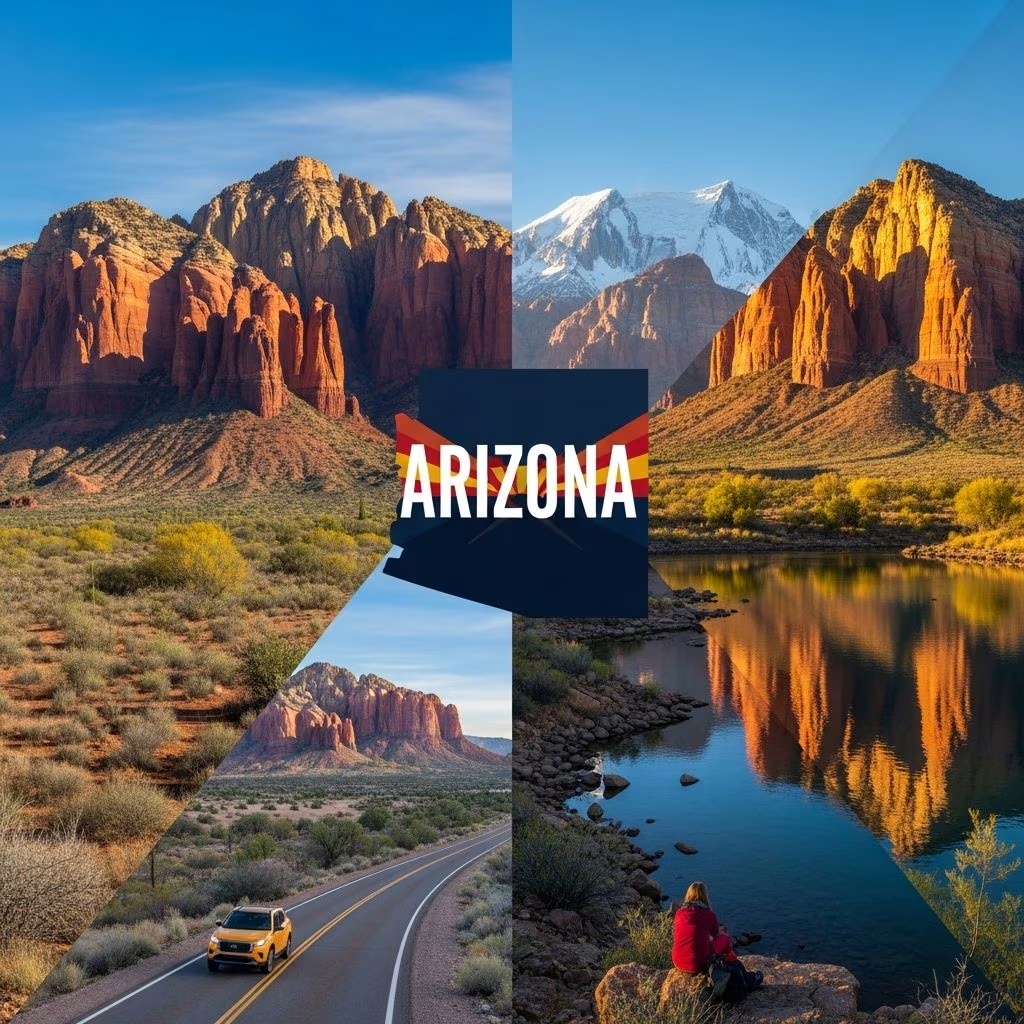
Arizona’s diverse landscape—spanning from low desert valleys to high mountain peaks—creates a fascinating mosaic of microclimates that shift throughout the year. Understanding these seasonal variations is essential for crafting an Arizona experience that matches your priorities, whether you seek comfortable hiking conditions, budget-friendly rates, or solitude away from crowds. Each season presents distinct advantages and trade-offs, making Arizona a destination that rewards flexible planning and strategic timing.
The Shoulder Seasons: Spring and Autumn Excellence
The months flanking summer and winter represent Arizona’s sweet spot for most visitors. During spring (March through May) and fall (September through November), temperature conditions reach an equilibrium that allows comfortable exploration without extreme heat or cold dominating your itinerary.
Spring awakens the desert landscape with remarkable visual displays. Wildflower blooms peak during May, transforming arid valleys and hillsides into fields of color that attract photographers, naturalists, and casual observers alike. Daytime temperatures range comfortably between 70°F and 84°F (21°C to 29°C), with cooler mornings providing ideal conditions for early hiking and outdoor activities. Rainfall remains minimal during these months, ensuring clear skies and uninterrupted sunshine for sightseeing.
Autumn delivers comparable weather advantages with distinct character. September and October bring temperatures that gradually decline from summer peaks, with October consistently seeing maximum temperatures drop below 100°F (37°C) in southern Arizona regions. The quality of light shifts during fall months, creating dramatic shadows and warm hues that enhance landscape photography. Humidity levels normalize after the monsoon season, making outdoor activities feel considerably more pleasant than summer alternatives.
Both seasons carry a significant caveat: popularity drives up accommodation rates and creates crowding at major attractions. Camping sites and hotel rooms book rapidly during these periods, requiring advance reservations to secure preferred locations.
Winter Months: Escape the Cold, Embrace Sunshine
November through February transforms Arizona into a refuge for those seeking warmth while northern regions experience snow and freezing temperatures. This inverse seasonal pattern creates consistent visitor appeal, particularly among retirees and those escaping harsh winters elsewhere.
Daytime temperatures in Arizona’s southern lowlands during winter months typically range from 59°F to 71°F (15°C to 22°C), providing perfectly mild conditions for outdoor exploration. Rainfall remains scarce, though northern Arizona mountains occasionally receive winter snowfall that enables skiing and winter sports. Flagstaff and surrounding mountain communities at higher elevations average around 70°F (21°C) during summer months, offering a dramatic temperature contrast to Phoenix and Tucson.
December and January bring additional appeal through cultural events and festivals that capitalize on the influx of visitors and holiday schedules. Ski resorts in northern Arizona operate during these months, providing recreational variety beyond typical desert activities. The combination of reliable sunshine, festive atmosphere, and comfortable temperatures makes winter Arizona’s high-demand season, reflected in elevated accommodation prices.
Summer Extremes: Heat, Monsoons, and Hidden Opportunities
July and August challenge visitors with relentless heat in Arizona’s southern regions, where temperatures regularly exceed 100°F (37°C) and occasionally spike above 104°F (40°C). Phoenix and other low-elevation areas experience intense solar radiation that can limit outdoor activities to early morning and evening hours. This oppressive heat represents Arizona’s most extreme seasonal challenge, particularly for those unaccustomed to desert conditions.
However, summer introduces compensating factors that appeal to specific traveler profiles. The monsoon season (June through September) brings afternoon thunderstorms that provide dramatic meteorological spectacles, momentary relief from heat, and the distinctive creosote smell that characterizes desert rain. These atmospheric disturbances create spectacular lightning displays and dynamic cloud formations that photographers appreciate.
Northern Arizona maintains considerably more temperate conditions during summer months due to higher elevation. Flagstaff’s cooler climate supports festivals and outdoor events that flourish during July, including Indigenous heritage celebrations and Celtic festivals featuring Scottish-style games and bagpipers. This geographic variation allows strategic summer planning that prioritizes northern regions while avoiding southern heat.
Budget-conscious travelers discover summer’s primary advantage: dramatically reduced accommodation rates and tourism prices. The combination of heat deterring most casual visitors creates favorable conditions for budget travelers willing to adjust activity timing and embrace air-conditioned indoor attractions. Checking for late-season promotional offers in July and August can yield significant savings compared to high-season rates.
Seasonal Strategies Across Arizona’s Geographic Regions
Desert Lowlands: Phoenix, Tucson, and Southern Arizona
Arizona’s southern desert regions experience the most extreme seasonal variation. Winter months (November through February) create ideal conditions with mild daytime temperatures perfect for exploring iconic desert landscapes. March through May offers spring’s characteristic blooms and comfortable hiking weather, though increasing temperatures toward May signal approaching summer heat.
Summer (June through August) demands significant lifestyle adjustments, with daytime highs regularly surpassing 100°F (37°C). Outdoor activities compress into early morning hours (sunrise through mid-morning) and evening periods (late afternoon through sunset) to avoid midday heat exposure. Phoenix, Tucson, and smaller desert communities like Tombstone serve as ideal bases for desert ecosystem exploration, though wildlife observation requires early departure to increase spotting opportunities.
Fall brings gradual temperature decline and renewed appeal, with September and October representing exceptional months for outdoor activities without the extreme heat limiting summer exploration. Autumn also aligns with Arizona’s wine country season, as wine tasting rooms in Verde Valley, Sonoita, and Willcox become destinations for wine festivals and food celebrations, including Sedona Winefest events in September.
Mountain and Northern Regions: Flagstaff and High-Elevation Areas
Arizona’s northern and mountain regions follow distinctly different seasonal patterns than lowland deserts. Flagstaff and surrounding areas at 7,000+ feet elevation experience genuine four-season weather, with winter bringing potential snowfall and summer providing surprisingly cool conditions. Summer temperatures in Flagstaff average around 70°F (21°C), creating comfortable conditions when Phoenix broils under 100°F+ temperatures.
This elevation advantage makes northern Arizona appealing during summer months when southern regions become inhospitable. June and July provide optimal timing for scenic road trips along historic highways, explorations of artsy mountain towns, and cultural festivals celebrating Indigenous heritage and Celtic traditions. Winter in these mountain regions may include snow and skiing opportunities, adding recreational diversity.
Grand Canyon and Plateau Regions
The Grand Canyon and surrounding plateau regions occupy a unique seasonal niche. Spring (April–May) and autumn (September–October) offer ideal conditions with mild rim temperatures that permit comfortable hiking and trail exploration. These seasons avoid midsummer crowds while providing weather conditions that prevent hiking distress from extreme heat. Spring wildflower blooms and fall foliage changes add visual interest to iconic landscape photography.
Navigating Crowd Levels and Pricing
Tourism demand patterns create distinct seasonal pricing tiers. High season (November through April) coincides with winter escape travel and spring vacation periods, driving elevated accommodation and attraction rates. This peak tourism period brings crowds to popular sites, requiring advance reservations and patience navigating busy attractions.
Shoulder seasons (March through May and September through November) present balanced conditions: weather remains excellent while crowds diminish somewhat compared to peak winter months, and prices stabilize at moderate levels rather than peak-season premiums. This middle ground appeals to travelers seeking good weather without peak-season pricing and crowds.
Low season (June through August) offers maximum budget advantages with dramatically reduced accommodation rates and tourism prices, though extreme heat in southern regions limits outdoor activity options. Summer represents the ideal period for budget-conscious travelers willing to embrace heat limitations and activity scheduling around temperature peaks.
Strategic booking approaches enhance savings across seasons. Midweek travel (Sunday through Thursday) consistently offers better rates than weekend bookings, as vacation patterns drive higher weekend demand. Travelers with flexible schedules can score significant deals by avoiding Friday-Sunday peak pricing periods.
Activity-Based Seasonal Recommendations
Outdoor Hiking and Trail Exploration
Spring and fall (March-May and September-November) represent optimal hiking seasons, offering comfortable temperatures and extensive daylight hours for trail exploration. These periods see higher trail usage and camping site booking, necessitating advance reservations. Summer hiking requires early morning starts to avoid midday heat exposure, while winter hiking in northern regions may involve snow or icy conditions requiring appropriate equipment.
Water-Based Recreation
Arizona’s extensive river systems and lakeshores provide cooling alternatives during hot months. Summer months offer water temperature advantages for swimming and water sports, though air temperatures remain extreme. River floats and lake recreation become more comfortable during spring and fall, when air and water temperatures reach optimal ranges.
Wildlife Observation and Birding
May provides prime timing for birding events and nature learning opportunities as spring migration patterns peak. Early morning exploration increases wildlife spotting success by avoiding midday heat when animals seek shade and water. Monsoon season’s evening activity patterns create opportunities for storm-driven wildlife observation.
Wine Tasting and Culinary Experiences
Arizona’s wine country flourishes during fall months, with September wine festivals and outdoor tasting room experiences benefiting from comfortable weather. Wine and food festivals capitalize on pleasant temperatures and visitor availability during shoulder season months.
Frequently Asked Questions
What is the single best month to visit Arizona?
March emerges as an ideal single-month choice, combining spring’s wildflower blooms with comfortable daytime temperatures (70–84°F) and minimal rainfall. However, spring break periods can create temporary crowding and elevated rates. November provides comparable weather advantages with reduced crowds compared to peak spring season.
Is summer worth considering despite the heat?
Summer appeals specifically to budget travelers and those prioritizing cost savings over comfort. Accommodation rates drop dramatically, and monsoon rains provide weather drama and visual spectacle. Northern Arizona’s cooler mountain regions offer summer activity opportunities without extreme heat. Budget travelers checking for promotional offers in July and August can achieve significant savings.
How do regional differences affect seasonal planning?
Southern desert regions (Phoenix, Tucson) experience extreme summer heat exceeding 104°F (40°C), making winter and spring ideal. Mountain regions (Flagstaff, northern plateau) remain cool during summer (around 70°F) and provide summer festival opportunities. Grand Canyon areas benefit from spring and fall visitation when temperatures stay comfortable for extensive hiking.
Should I book accommodations in advance?
High season (November–April) and shoulder season spring months (March–May) absolutely require advance bookings, as camping sites and hotels fill rapidly during peak demand periods. Summer travel offers greater flexibility with reduced demand, though specific properties may still book or offer limited availability. Midweek bookings generally face less competition than weekend dates.
What events or festivals define each season?
Spring features wildflower celebrations and birding events (May peak). Summer highlights Indigenous heritage and Celtic festivals in Flagstaff (June–July). Fall brings wine festivals and food celebrations in wine country (September). Winter offers ski season, holiday festivals, and cultural events capitalizing on peak tourist presence.
References
- Explore the best months to go to Arizona – Directo — Directo Travel Planning. Accessed April 2026. https://www.getdirecto.com/blog/best-time-visit-go-see-arizona
- When Is the Best Time to Visit Arizona? (Especially Scottsdale & Phoenix) — Scottsdale Rentals. Accessed April 2026. https://www.scottsdalerentals.com/blog/when-is-the-best-time-to-visit-arizona-especially-scottsdale-phoenix/
- The best time to visit Arizona — Lonely Planet Publications. Accessed April 2026. https://www.lonelyplanet.com/articles/best-time-to-visit-arizona
- The Best Times to Visit Arizona for Max Savings — Visit Arizona Official Tourism Board. Accessed April 2026. https://www.visitarizona.com/like-a-local/off-season-savings-in-arizona

