

 Travel Essentials
 Travel Essentials

Unlock the best periods to visit Atlanta with mild springs, colorful falls, hot summers packed with events, and mild winters for budget travel.
 Travel Essentials
Atlanta, the bustling heart of Georgia, offers distinct seasonal charms that cater to different traveler preferences. With its humid subtropical climate, the city experiences warm springs filled with blossoms, steamy summers alive with festivals, crisp autumns perfect for outdoor pursuits, and mild winters ideal for indoor attractions. Choosing the right time depends on your tolerance for heat, interest in events, and desire to avoid crowds.
Understanding Atlanta’s climate is key to timing your visit. Temperatures typically range from 35°F in winter lows to 89°F summer highs, with high humidity influencing comfort levels year-round. The city sees four clear seasons: spring brings renewal with blooming flora and moderate temps from 50°F-80°F; summer heats up to 85°F-95°F with frequent thunderstorms; fall cools to 50°F-75°F with vibrant foliage; and winter hovers at 35°F-55°F, rarely dipping into snow.
| Season | Avg High (°F) | Avg Low (°F) | Key Weather Notes | Best Activities |
|---|---|---|---|---|
| Spring (Mar-May) | 61-80 | 40-60 | Mild, blooming, occasional showers | Parks, festivals |
| Summer (Jun-Aug) | 85-90 | 70-75 | Hot, humid, thunderstorms | Concerts, water activities |
| Fall (Sep-Nov) | 70-75 | 50-60 | Crisp, colorful, low humidity | Hiking, events |
| Winter (Dec-Feb) | 50-55 | 35-45 | Mild, occasional ice | Museums, holidays |
This table summarizes averages drawn from reliable climate data, helping you match seasons to your plans.
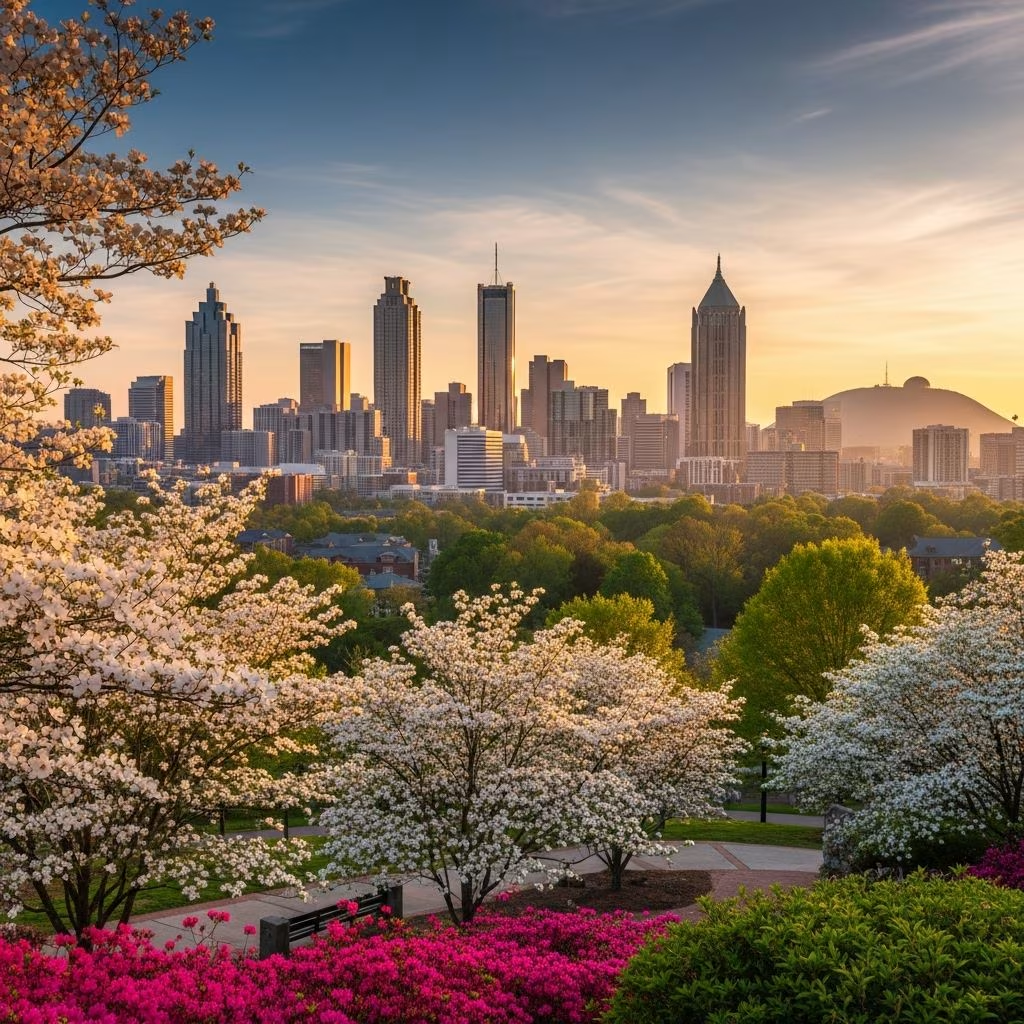
Spring stands out as a top choice for many visitors due to comfortable temperatures and natural beauty. Daytime highs climb from the 60s in March to the upper 70s by May, with lows rarely below 40°F, making it ideal for extended outdoor time without oppressive heat. Parks like Piedmont explode in color with dogwoods, azaleas, and cherry blossoms, drawing locals and tourists alike for picnics and strolls.
April often proves the driest month, maximizing sunny days for cycling, walking tours, and patio dining. However, pollen counts peak later in spring, so allergy sufferers might prefer early March when flights and hotels dip in price before peak bloom crowds. Festivals abound, from music series to food events, enhancing the vibrant atmosphere without summer’s swarm.
Summer draws peak crowds with school vacations and high-energy events, despite the heat. Average highs hit 88°F in July, paired with muggy conditions and afternoon storms that offer temporary relief. Humidity makes it feel hotter, so prioritize early mornings or evenings for activities, and stay hydrated with a reusable bottle.
This season shines for golf, tennis, outdoor concerts, and food festivals, with the clearest skies from late July onward. Beach/pool scores peak in August for hot-weather fun, though hurricane risks rise—monitor forecasts closely. Air-conditioned attractions like the Georgia Aquarium or World of Coca-Cola provide cool escapes.
Fall rivals spring for optimal visiting, with dropping humidity and temps from 75°F in September to the 50s by November. Foliage turns parks into scenic wonders, perfect for hiking, apple picking, and pumpkin patches. Clearer skies dominate October, boosting tourism scores for warm-weather pursuits.
Post-Labor Day sees crowds thin, rates drop, and events like music festivals and Pride celebrations thrive. It’s prime for neighborhood exploration in areas like Midtown or Buckhead, plus the Atlanta Botanical Garden’s autumn displays. Hurricane season peaks but rarely disrupts.
Winter offers a quieter, budget-friendly escape with temps averaging 35°F-55°F and rare snow. Sunny days outnumber cloudy ones, suiting museum hops at the High Museum of Art or civil rights sites. Post-holiday January-February slashes hotel rates and lines.
Holiday lights and markets in early December add magic before festivities ramp up. Ice storms occur occasionally, but mild conditions prevail compared to northern climes. Indoor-focused travelers thrive here.
Peak summer means higher prices and queues at spots like the Atlanta BeltLine or Zoo Atlanta. Shoulder seasons—April-May and September-October—balance weather and savings, with January-February and early December as off-peak gems. Flights to Hartsfield-Jackson, the world’s busiest airport, cheapest in these windows.
These draw locals and visitors, amplifying Atlanta’s cultural pulse.
| Season | Must-Haves |
|---|---|
| Spring | Light jacket, allergy meds, rain poncho |
| Summer | Sunscreen, hat, water bottle, breathable clothes |
| Fall | Sweater layers, comfortable shoes, scarf |
| Winter | Warm coat, gloves, closed-toe shoes |
January and February offer the lowest hotel rates post-holidays, with mild weather for sightseeing.
Snow is rare; ice storms are more common but infrequent, keeping winters mostly mild.
Highs reach 90°F with humidity, but AC indoors and evening events make it manageable.
Spring or fall avoids extreme weather and school crowds while offering kid-friendly parks and events.
July sees the most rain at about 5 inches, but showers are brief; April is driest.
Tailor your trip by priorities: nature lovers pick spring/fall; event chasers summer; budget hunters winter. Combine seasons across visits to experience Atlanta’s full spectrum—from blooming trails to festive lights. Always check local forecasts via official sources for real-time updates.
