

 Travel Essentials
 Travel Essentials

Learn the best times to visit Austin based on weather, crowds, festivals, and activities. Find your perfect season for exploring Texas's vibrant capital.
 Travel Essentials
Austin, the capital of Texas, attracts visitors year-round with its distinctive blend of live music, outdoor recreation, culinary excellence, and cultural attractions. However, the timing of your visit significantly influences your experience, from weather conditions and crowd levels to festival calendars and activity availability. Understanding Austin’s seasonal patterns helps you choose the optimal window for your trip based on your preferences and priorities.
Austin experiences a subtropical climate characterized by mild winters, hot summers, and pleasant transitional seasons. The city enjoys approximately 300 sunny days annually, making outdoor exploration a cornerstone of the visitor experience. This abundance of sunshine means that even during cooler months, visitors can expect reasonable conditions for sightseeing and activities.
The temperature range varies considerably across seasons. Winter months maintain mild conditions with daytime temperatures typically in the 50s to 60s Fahrenheit, though occasional cold fronts can briefly push temperatures below freezing. Spring brings warmth and comfort, with temperatures climbing to the 60s and 80s Fahrenheit—a range that locals and visitors consistently praise as ideal for outdoor exploration. Summer heat intensifies significantly, with temperatures frequently exceeding 90 degrees and occasionally reaching the triple digits, accompanied by notable humidity. Fall mirrors spring’s pleasant characteristics, offering temperatures between 60 and 80 degrees with lower humidity levels and moderate rainfall.
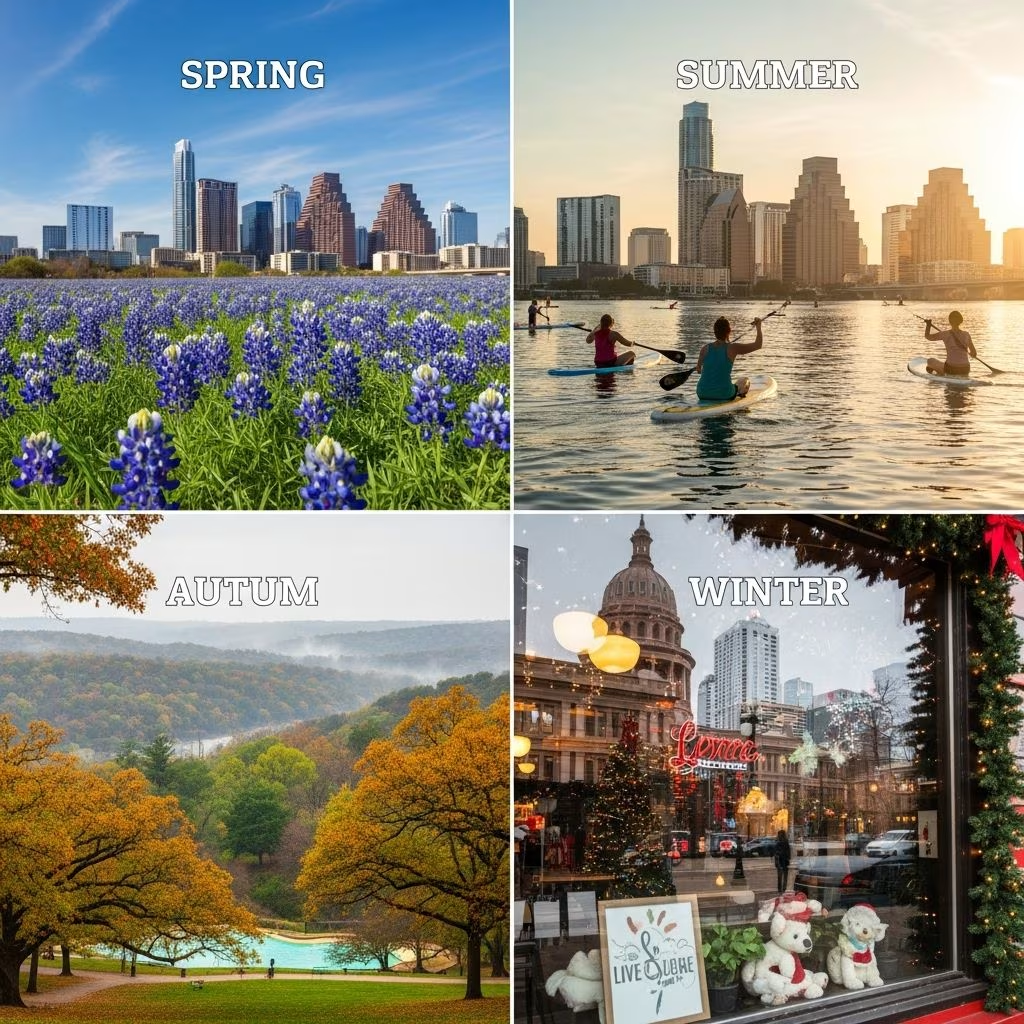
Spring represents one of Austin’s premier visiting periods, particularly from March through May. During this window, the city awakens from winter with mild temperatures and blooming wildflowers throughout the region. The combination of pleasant weather and cultural energy makes spring exceptionally popular among travelers.
Weather Characteristics: Spring temperatures consistently fall within the ideal range of 60 to 80 degrees Fahrenheit, providing comfortable conditions for walking tours, outdoor dining, and exploring neighborhoods. Rainfall during spring is moderate, and the air quality remains excellent without the haze that sometimes accompanies summer heat.
Festival Calendar: March marks the arrival of South by Southwest (SXSW), one of North America’s largest film, interactive media, and music festivals. This annual event transforms Austin into a celebration of creativity, attracting industry professionals, artists, and entertainment enthusiasts worldwide. While SXSW creates exciting energy throughout the city, it also brings crowds to popular venues and attractions, potentially affecting accommodation availability and prices.
Outdoor Activities: Spring’s moderate temperatures and low humidity create optimal conditions for hiking, kayaking, swimming in natural pools like Barton Springs, and cycling along Austin’s extensive trail system. The season aligns with the opening of outdoor concert venues and the beginning of the summer festival schedule.
Considerations: The popularity of spring, particularly during SXSW and throughout April-May, means higher accommodation rates and busier attractions. Budget-conscious travelers might find better value in alternative seasons, though the weather quality during spring justifies the premium pricing for many visitors.
Summer in Austin (June through August) brings intense heat and humidity, yet the season offers distinctive advantages for specific types of visitors. While temperatures frequently exceed 90 degrees, water-based activities and evening entertainment options flourish.
Weather Profile: Summer heat is Austin’s defining characteristic during these months, with daytime temperatures regularly reaching the upper 90s or even exceeding 100 degrees Fahrenheit. Humidity levels rise significantly, creating a sticky, intense climate that requires adaptation for comfort. However, the abundance of sunshine and warm water temperatures make summer ideal for aquatic pursuits.
Water Recreation: Despite the heat, summer represents peak season for swimming, kayaking, and paddleboarding. Natural swimming holes like Barton Springs Pool maintain cool temperatures year-round, providing refreshing retreats from surface heat. Lakes throughout the region—including Lady Bird Lake in downtown Austin—warm to comfortable temperatures for water sports. The Colorado River and surrounding waterways offer excellent opportunities for recreational activities.
Entertainment and Events: Austin’s famous live music scene reaches peak intensity in summer, with outdoor concert series, music festivals, and performances occurring throughout the season. The city’s reputation as the “Live Music Capital of the World” becomes particularly evident during these months.
Budget Considerations: Summer generally offers lower accommodation rates compared to spring and fall, presenting opportunities for budget-conscious travelers willing to tolerate heat in exchange for savings.
Challenges: The intense heat limits comfortable walking and outdoor exploration during midday hours. Visitors must plan activities for early morning or evening, adjust expectations for time spent outdoors, and stay adequately hydrated.
Fall (September through November) consistently ranks as one of Austin’s premier seasons, offering a compelling combination of pleasant weather, manageable crowds, and major cultural events. This period represents the shoulder season between summer’s intensity and winter’s occasional cool periods.
Weather Excellence: Fall temperatures gradually moderate from the 80s in September to the 60s and 70s by November, creating consistently comfortable conditions. Humidity levels decrease as summer transitions to fall, and rainfall remains moderate. This season provides the most comfortable outdoor climate for sightseeing, walking, and exploration without excessive heat or cold.
Festival Highlights: October hosts the Austin City Limits Music Festival, a three-day event showcasing diverse musical genres and attracting music enthusiasts from worldwide. This festival concentrates crowds during specific dates but doesn’t disrupt the broader city experience like SXSW does in spring. Additionally, October through November features numerous smaller festivals, food events, and cultural celebrations throughout Austin’s neighborhoods.
Outdoor Pursuits: Fall weather encourages hiking, biking, and neighborhood exploration. Temperatures remain warm enough for water activities yet cool enough for extended outdoor time without heat exhaustion concerns. The season offers ideal conditions for outdoor dining, walking tours of historic neighborhoods, and recreational activities.
Value Proposition: Fall occupies a middle ground between peak and off-season pricing. Accommodation rates remain reasonable compared to spring, yet availability remains good, and the weather surpasses summer conditions. This balance makes fall particularly attractive for travelers seeking value combined with quality experiences.
Winter (December through February) presents a nuanced option for Austin visitors. While the season brings lower temperatures than other periods, Austin’s winters remain relatively mild compared to northern climates, and significant cost savings offset weather limitations.
Temperature Range: Winter daytime temperatures typically fall between 50 and 60 degrees Fahrenheit, requiring light jackets but not heavy winter gear. Occasional cold fronts may briefly push temperatures below freezing, but prolonged cold periods are rare. Snow virtually never occurs in Austin, and winter precipitation remains limited.
Advantages for Budget Travelers: Winter months represent the lowest-cost period for visiting Austin. Hotel rates decline substantially, restaurant reservations are easier to secure, and attractions experience reduced crowds. Budget travelers can explore the city comprehensively without the premium prices of peak seasons.
Cultural Events: Winter hosts film festivals, holiday celebrations, and indoor entertainment events. The season provides opportunities to experience Austin’s cultural depth through museums, theaters, and specialized festivals that thrive in cooler months.
Outdoor Activities: While winter temperatures discourage extended outdoor time compared to other seasons, mild daytime conditions still permit sightseeing, hiking on selected days, and outdoor dining with appropriate clothing. The reduced humidity creates pleasant conditions for walking tours of neighborhoods and historic sites.
Considerations: Winter offers the fewest ideal outdoor activity days, and unpredictable occasional cold fronts can affect plans. However, for travelers prioritizing budget and cultural experiences over outdoor recreation, winter provides excellent value.
| Priority | Best Season | Temperature Range | Crowd Level | Price Range |
|---|---|---|---|---|
| Perfect Weather | April-May, September-November | 60-80°F | Moderate-High | $$-$$$ |
| Budget Travel | December-February, June-August | 50-60°F or 90+°F | Low-Moderate | $-$$ |
| Fewest Crowds | January-February, Weekdays Year-round | 50-60°F | Low | $ |
| Water Activities | May-October | 70-95°F | Variable | $$ |
| Major Festivals | March (SXSW), October (ACL) | 60-85°F | Very High | $$$ |
Beyond choosing seasons, strategic timing within seasons enhances the visitor experience. Weekday visits (Tuesday through Thursday) consistently experience lighter crowds than weekends, regardless of season. This pattern applies to music venues, museums, restaurants, and popular attractions. Visiting immediately before or after major festival dates allows travelers to experience festival energy while avoiding peak congestion.
Early March offers spring weather without SXSW’s intensity, while early October provides similar benefits regarding Austin City Limits crowding. Late September and early November represent optimal shoulder season periods with minimal crowds and excellent weather. Late January and February offer winter’s lowest prices with increasingly pleasant temperatures as spring approaches.
Austin experiences peak crowds during March (SXSW festival) and October (Austin City Limits Music Festival). Spring months generally attract more visitors than other seasons. Weekends throughout the year bring higher concentration of tourists than weekdays.
April through May and September through November offer optimal conditions with temperatures between 60 and 80 degrees Fahrenheit and lower humidity levels. These periods are ideal for hiking, biking, walking tours, and exploring outdoor attractions.
December through February and parts of June through August offer the lowest accommodation rates and reduced prices at attractions. These off-peak periods provide significant savings, particularly for budget-conscious travelers willing to accept weather trade-offs.
While swimming is technically possible year-round in some locations like Barton Springs Pool (which maintains cooler temperatures), comfort levels vary dramatically. May through October represents optimal swimming season, though water recreation occurs throughout the year.
Austin receives moderate rainfall throughout the year without a pronounced dry season. Spring and early fall typically feature slightly higher rainfall, while winters remain relatively dry. Summer heat often develops afternoon thunderstorms that cool the climate temporarily.
Selecting the optimal time to visit Austin depends on individual priorities. Travelers prioritizing weather and outdoor experiences should focus on spring (April-May) or fall (September-November) despite higher costs and moderate crowds. Those emphasizing budget considerations should plan winter visits (December-February) or sum mer travel (June-August), adapting activities to weather constraints. Adventure seekers interested in major festivals must plan around SXSW (March) or Austin City Limits (October) while accepting premium pricing and congestion.
Austin’s appeal transcends seasonal limitations. The city’s vibrant culture, exceptional food scene, live music venues, and outdoor recreation opportunities provide rewarding experiences year-round. By understanding seasonal characteristics and aligning them with personal priorities, visitors can craft memorable Austin experiences regardless of their chosen visiting period.
