

 Travel Essentials
 Travel Essentials

Navigate Austria's seasonal offerings with insights on weather, crowds, and activities to maximize your trip planning and budget.
 Travel Essentials
Austria stands as one of Europe’s most captivating destinations, offering visitors a remarkable blend of imperial history, stunning alpine landscapes, classical music heritage, and charming old-world culture. However, choosing when to visit can significantly impact your experience, budget, and the types of activities available during your stay. Understanding how Austria’s climate and tourism patterns shift throughout the year allows you to tailor your itinerary to match your preferences, whether you seek vibrant festivals, pristine hiking trails, world-class skiing, or peaceful cultural exploration without overwhelming crowds.
Austria experiences a temperate continental climate with distinct seasonal variations that shape both weather conditions and tourist traffic throughout the year. The country’s geography—dominated by the Alps in the west and rolling plains in the east—creates microclimates that affect conditions in different regions. Vienna and eastern Austria tend to be warmer and drier, while Alpine regions experience colder temperatures and more precipitation year-round. Understanding these patterns helps travelers pack appropriately and select destinations that align with their weather preferences.
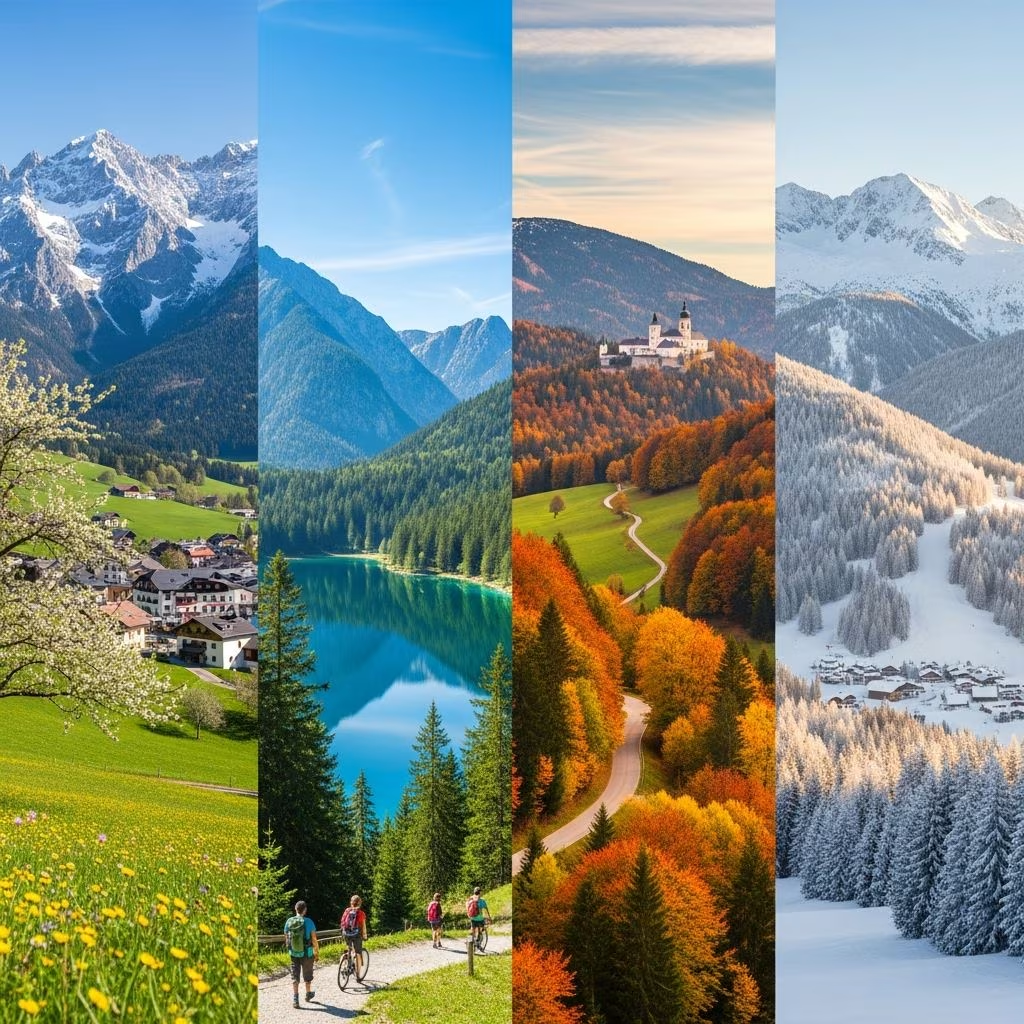
Temperature fluctuations across seasons are significant. Winter months bring subfreezing conditions, particularly in mountainous areas where snow accumulates heavily. Spring brings gradual warming with temperatures rising from near-freezing to comfortable levels by late May. Summer temperatures reach their peak, creating warm but generally not excessively hot conditions across most of the country. Autumn follows a cooling trend as fall foliage transforms the landscape, with temperatures dropping progressively through November.
The spring season, spanning March through May, represents an excellent opportunity for budget-conscious travelers and those seeking to avoid peak-season crowds. During this period, Austria experiences mild weather that grows progressively warmer as spring progresses. Early spring (March) brings temperatures in the 40s to 50s Fahrenheit, while late spring (May) warms to the 60s to 70s Fahrenheit range. This gradual warming creates ideal conditions for city exploration and moderate outdoor activities.
One of spring’s primary advantages is its status as a shoulder season—the period between winter’s end and summer’s peak tourist rush. Hotels, restaurants, and popular attractions remain less crowded than during summer months, allowing visitors to experience major cities like Vienna and Salzburg with greater ease. Accommodation prices reflect this reduced demand, offering travelers the opportunity to secure hotel deals before rates climb in June. Cultural institutions maintain full schedules, with orchestras, operas, and classical music performances available throughout the season.
Spring activities diversify across regions. In Alpine areas, late March marks the end of prime ski season, offering a final opportunity for winter sports enthusiasts before many resorts close for the summer. Mountain hiking becomes increasingly accessible as snow melts at lower elevations, though higher peaks may remain snow-covered. In eastern Austria and Vienna, gardens bloom spectacularly, and wine-tasting opportunities emerge as travelers can sample the previous autumn’s harvest in Wachau Valley wine regions.
Summer, comprising June through August, stands as Austria’s most popular travel period, drawing visitors worldwide who seek warm weather and extended daylight hours. This season offers undeniable attractions: temperatures typically range from the low 70s to low 80s Fahrenheit, daylight persists until 9 PM or later, and the country’s full array of activities reaches maximum availability. However, popularity comes with consequences that vary by location and activity type.
Urban destinations experience particularly heavy congestion during July and August. Vienna and Salzburg see temperature spikes that can feel uncomfortable during peak hours, while historic city centers become crowded with tour groups and individual travelers. Some cultural institutions, notably Vienna’s Boys’ Choir and State Opera, take summer breaks, limiting specific attractions that draw classical music enthusiasts. Additionally, the Lipizzaner stallions—famous performers in Vienna—suspend performances from late June through mid-August, removing another iconic experience from summer schedules.
Summer excels for outdoor-oriented travelers. Alpine hiking trails become fully accessible, with mountain meadows bursting with wildflowers and alpine huts operating at full capacity to serve trekkers. Lakes across Austria invite swimming and water sports. Danube River cruising reaches optimal conditions with pleasant temperatures and navigable waterways. Music festivals proliferate, with open-air concerts and performances throughout cities and countryside. The long daylight hours support extended exploration, allowing visitors to maximize each day’s activities.
| Time Period | Best For | Considerations |
|---|---|---|
| June | Hiking, festivals, outdoor activities | Less crowded than July-August, still excellent weather |
| July-August | Water activities, mountain exploration | Peak crowds, higher prices, major cultural closures |
Autumn, spanning September through November, emerges as a favorite season for many experienced Austria travelers. This period represents an optimal balance between favorable weather, manageable crowds, and active tourism infrastructure. September maintains summer-like warmth with average highs in the upper 60s to low 70s Fahrenheit, while October and November bring progressively cooler temperatures as the season unfolds.
The shoulder season advantages of autumn rival spring, yet with distinct characteristics that appeal to different traveler preferences. Summer tourists depart as September progresses, reducing congestion in major attractions and allowing more flexible access to restaurants and accommodations. Hotel rates decline from peak summer levels, though prices remain higher than winter lows. The reduction in crowds paradoxically improves the experience in major cities—visitors can navigate historic districts, museums, and cultural venues more readily while still enjoying a lively atmosphere.
Weather conditions progressively shift throughout autumn, affecting activities and packing requirements. Early autumn (September through mid-October) offers ideal conditions for almost any activity—warm enough for comfortable outdoor exploration yet cool enough to avoid summer crowds and heat. Hiking reaches its finest condition, with clear visibility, comfortable exertion temperatures, and lower altitudes becoming accessible as snow retreats from mountains. Late autumn (November) brings colder temperatures but clear days that reveal stunning alpine vistas, and this period marks an underrated time to visit Christmas markets before December’s tourist surge.
Austria’s wine regions flourish during autumn. Harvest festivals celebrate the grape season across the Wachau Valley and surrounding wine-producing areas. Danube River cruises continue to operate smoothly with more reliable weather than spring conditions provide. Scenic drives through the Austrian countryside reveal autumn foliage at its most spectacular, transforming valleys and hillsides into patchworks of golden, red, and orange hues.
Winter, encompassing December through February, transforms Austria into a destination for specialized pursuits rather than general sightseeing. This season appeals most strongly to ski enthusiasts, Christmas market devotees, and travelers seeking authentic Alpine experiences. Temperatures typically range from the mid-20s to low 40s Fahrenheit, with consistent snow in Alpine regions and occasional snow in lower elevations.
Skiing and snowboarding reach their peak during winter months, with resorts throughout Tyrol, Salzburg, and other Alpine regions operating at full capacity with optimal snow conditions. January and February typically offer the most reliable snow and comfortable conditions for winter sports. The season extends through March in many locations, providing extended opportunities for slope enthusiasts. Beyond skiing, winter sports include snowshoeing, cross-country skiing, and sledding across snowy landscapes.
December distinctly differs from January and February due to Christmas market season. Vienna, Salzburg, and virtually every Austrian town and city host Christkindlmarkts—festive seasonal markets featuring holiday decorations, traditional foods, mulled wine, and handcrafted gifts. These markets create magical atmospheres but also attract enormous crowds and command premium hotel rates. Travelers should book accommodations months in advance if planning a December visit.
Winter cultural events complement outdoor activities. Vienna’s schedule includes classical performances throughout the season, and prestigious balls—traditional formal dances—occur frequently. Concert halls, opera houses, and theaters operate full schedules. However, January and February offer a quieter experience with thinner crowds, lower hotel prices, and more relaxed atmospheres than December’s festive rush.
Different travel interests align with specific seasons or seasonal periods. Sightseeing and cultural pursuits reach their most enjoyable conditions during April-June and September-October, when weather supports outdoor exploration and crowds remain manageable. Skiing and winter sports concentrate in December-March, with optimal conditions typically occurring January-March. Hiking and nature exploration excel from June through September, with the highest Alpine elevations accessible July-August and lower mountain trails open earlier and later in the season.
Budget-conscious travelers benefit from visiting during shoulder seasons (March-April and October-November), when prices decline significantly from summer peaks yet most attractions and accommodations operate at normal capacity. River cruising along the Danube functions throughout spring, summer, and early autumn, with conditions gradually improving from April through June. Music festival season peaks during summer months, with some performances extending into spring and autumn.
Precipitation patterns shift subtly across seasons. Spring and autumn both experience moderate rainfall, though exact amounts vary by location. Summer months occasionally bring afternoon thunderstorms, particularly in Alpine regions. Winter precipitation falls primarily as snow in mountains and rain at lower elevations. Travelers should pack appropriate rain gear regardless of season and prepare for rapid weather changes in mountainous areas.
Selecting the optimal time to visit Austria requires balancing multiple factors: personal weather preferences, desired activities, tolerance for crowds, and budget constraints. No season offers perfection for all travelers—spring and autumn provide ideal compromises between weather and crowds; summer maximizes daylight and activity availability at the cost of congestion; winter specializes in specific pursuits like skiing and Christmas markets.
Consider booking accommodations well in advance during peak periods (July-August and December) while taking advantage of last-minute deals during shoulder seasons when tourism slackens. Pack layers regardless of season, allowing flexibility as weather shifts throughout days. Prioritize experiences specific to your chosen season rather than expecting year-round availability of all attractions.
Yes, July and August see peak tourism, particularly in Vienna and Salzburg. June and September offer similar weather with substantially fewer visitors.
January through March provides optimal snow conditions and comfortable skiing temperatures. December and early April also offer skiing opportunities, though conditions vary.
November and March typically offer the lowest hotel rates, while shoulder season months (April-May and September-October) balance affordability with excellent weather.
December experiences peak Christmas market crowds and highest prices. Late November offers market shopping with significantly fewer visitors.
Spring weather is variable but generally supports hiking and outdoor exploration, especially from late April onward. Pack rain gear and layers.
