

 Travel Essentials
 Travel Essentials

Learn when to visit Azerbaijan for optimal weather, outdoor activities, cultural events, and budget-friendly travel. Explore each season's unique offerings.
 Travel Essentials
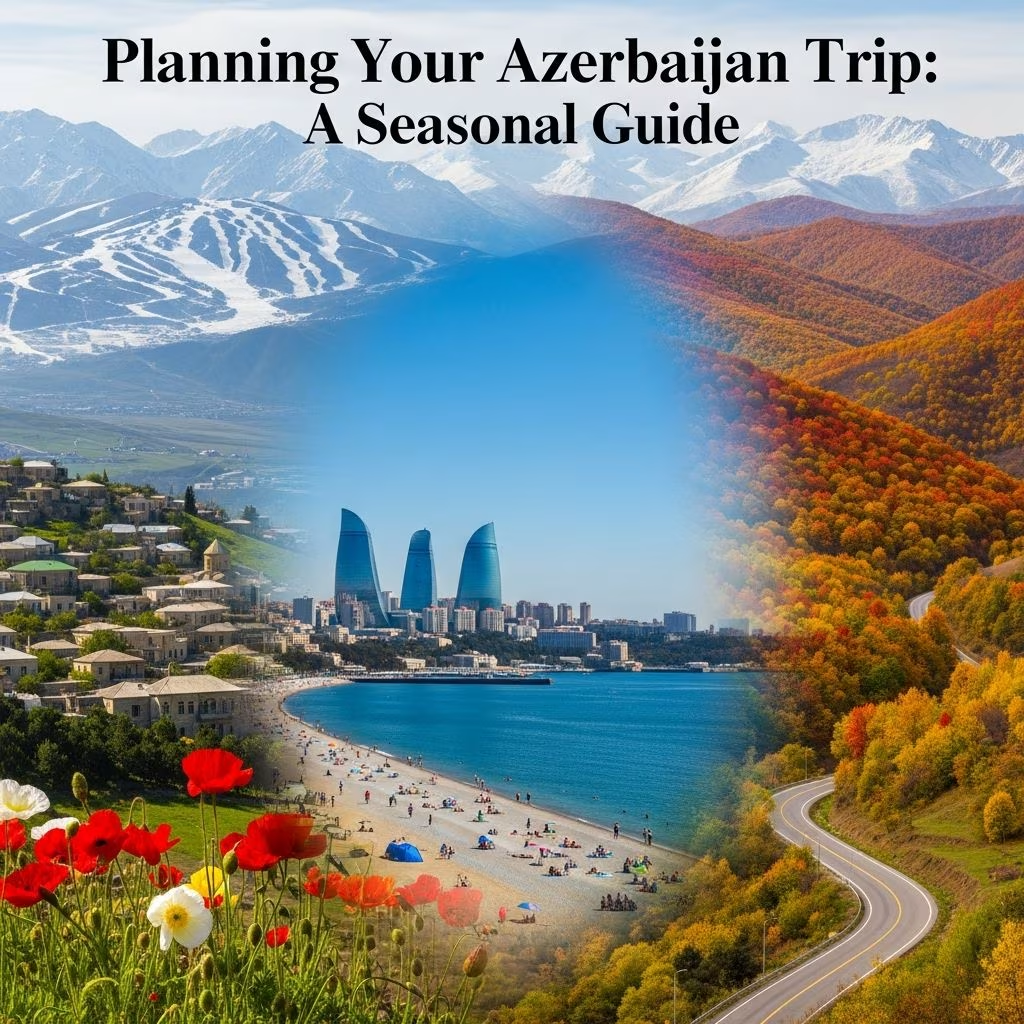
Azerbaijan presents a compelling destination year-round, yet the timing of your visit significantly influences the experiences available to you. The nation encompasses an extraordinary range of climates and landscapes—from the Caspian Sea coastline to the towering Caucasus Mountains—creating distinct seasonal opportunities for different types of travelers. Understanding what each period offers allows you to align your journey with your preferences, whether you prioritize outdoor adventures, cultural immersion, or budget-conscious exploration.
Azerbaijan’s geographical position and diverse topography create one of the world’s most varied climate zones. The country hosts nine of the eleven global climate classifications within its borders, ranging from subtropical coastal regions to alpine mountain environments. This climatic diversity means that while certain lowland areas experience extreme heat during summer, mountainous regions maintain comfortable temperatures suitable for trekking and exploration.
The central plains, particularly around Baku, experience continental climate patterns characterized by hot, dry summers and cool winters. Meanwhile, the northern highlands benefit from temperate conditions year-round, and the southern coastal areas enjoy subtropical influences from the Caspian Sea. This geographic variation allows travelers to pursue vastly different activities depending on their destination and season selection.
Spring unfolds across Azerbaijan from March through May, transforming the landscape with vibrant colors and renewed vegetation. Early March marks the beginning of this seasonal transition, though mountain snow does not begin melting until mid-April. By April, the lowlands display lush green meadows, and wildflowers create spectacular natural displays across the countryside.
The spring season represents an ideal window for nature enthusiasts and photographers. Alpine meadows in the Greater Caucasus burst into life with cascading wildflowers, while the orchards of southern Azerbaijan reach their peak blooming period by May. This timing makes the southern regions—including Lankaran on the coast and Göyçay in the hinterland west of Baku—particularly enchanting for visitors interested in agricultural heritage and natural beauty.
April through June provides optimal conditions for hiking, nature walks, and photography expeditions. Temperatures remain mild, typically ranging between 15°C and 30°C, before the intense summer heat arrives. The lush greenery spreading across lowlands and the foothills of the Caucasus and Talysh Mountains creates stunning backdrops for outdoor exploration.
May carries special cultural importance in Azerbaijan, as the nation celebrates Republic Day on May 28th, featuring celebrations and festivities throughout the country. Additionally, this period offers excellent opportunities to visit the Qobustan (Gobustan) State Historical and Artistic Reserve, where thousands of ancient petroglyphs etched into rock by prehistoric civilizations can be appreciated under ideal weather conditions. Spring also provides a wonderful occasion to visit local farms and markets where fresh seasonal produce and spring vegetables reach peak availability.
Summer in Azerbaijan spans June through August, bringing extreme heat to certain regions while maintaining pleasant conditions elsewhere. In lowland areas and central plains, particularly in Baku, Ganja, and the Kura-Aras lowlands, temperatures frequently exceed 38°C (100°F). However, strategic destination selection allows travelers to escape this sweltering heat by heading to cooler elevations or the moderating influence of the Caspian Sea.
The Greater and Lesser Caucasus mountain ranges offer breathtaking scenery and excellent summertime adventures for those willing to climb to higher elevations. July specifically ranks as the optimal month for mountain visitation, attracting trekkers and hiking enthusiasts who benefit from cooler temperatures in the highlands. Popular northern destinations like Sheki and Quba maintain pleasant conditions even during summer’s height, making them ideal bases for cultural excursions and mountain trail exploration.
Beach enthusiasts find summer perfectly suited for seaside relaxation along the Caspian Sea. Lankaran and the Abşeron Peninsula emerge as premier destinations for swimming, sunbathing, and water sports throughout the season. The Caspian Sea’s moderating effect keeps coastal temperatures more manageable than inland regions, and the long beaches of the Absheron Peninsula provide excellent opportunities for summer holidays with all necessary amenities for water-based recreation.
Intelligent destination planning transforms summer from a season to avoid into a period of rewarding experiences. The highlands near Sheki and Quba offer perfect weather for hiking, while the Absheron Peninsula beaches satisfy sun-seekers. Travelers avoiding the scorching lowlands discover that summer presents genuine appeal for outdoor pursuits suited to cooler mountainous terrain and seaside environments.
September and October represent increasingly popular travel windows as summer heat subsides and temperatures cool to more comfortable levels. By October, the weather becomes particularly pleasant for outdoor exploration, with crisp air and mild autumn temperatures typically remaining below 25°C (77°F). Many locals consider October the optimal month for visiting Azerbaijan due to these moderate and comfortable conditions.
Autumn tourism provides significant economic advantages for budget-conscious travelers. As summer crowds thin and the season transitions into autumn, hotel prices decline across the country, particularly in central Baku where mild temperatures create perfect conditions for sightseeing. Reduced demand for accommodations and transportation services allows travelers to secure better deals while enjoying less crowded attractions and more personalized experiences.
The autumn period creates ideal conditions for exploring Baku’s attractions without summer congestion and oppressive heat. Visitors can stroll comfortably through the Icheri Sheher (Old Town), admire the distinctive Flame Towers, or enjoy the Caspian promenade during pleasant weather. The combination of moderate temperatures and fewer tourists enhances the urban exploration experience significantly.
September through October coincides with Azerbaijan’s grape harvest season, offering travelers unique opportunities to visit vineyards in Gabala, Ismayilli, Shamakhi, and Goygol. While Azerbaijan does not feature dramatic fall foliage like temperate regions, the forests of Sheki, Gabala, Ismayilli, and Lahij nonetheless glow in warm shades of gold, orange, and red, providing stunning backdrops for hiking and photography.
The autumn period also presents excellent opportunities for countryside excursions as the landscape transforms into warm autumn hues. Horseback riding and cross-country travel become particularly appealing, and visitors can enjoy the country’s seasonal fruits including juicy melons and pomegranates. The Caspian Sea retains its warmth during this period, keeping water sports and beach activities viable throughout the season.
Winter months bring cold conditions to Azerbaijan, with temperatures occasionally dropping below freezing, particularly in mountainous regions. Yet Baku, despite cooler weather, maintains an atmosphere enriched by New Year and Christmas celebrations, providing cultural experiences distinct from other seasons. This period suits travelers seeking quieter experiences and cultural immersion rather than active outdoor pursuits.
Travelers visiting in January gain opportunities to witness early Novruz traditions, an important festival in Azerbaijani culture. These traditions include bonfires, fortune-telling practices, and the baking of special pastries such as paxlava and shekerbura in towns throughout the country. These cultural experiences provide insight into Azerbaijan’s heritage and seasonal celebrations.
Winter remains a viable travel period for those prioritizing cultural activities and city exploration over outdoor adventures. With cooler temperatures but continued sunshine availability, autumn and early winter represent great seasons for exclusive spa breaks and wellness experiences. City exploration, historical tours, and cultural immersion form the foundation of winter travel experiences in Azerbaijan.
| Season | Best For | Temperature Range | Key Advantages | Considerations |
|---|---|---|---|---|
| Spring (Apr-Jun) | Wildflowers, hiking, photography | 15-30°C | Mild weather, lush landscapes, fewer crowds | Some high passes still snowy in early April |
| Summer (Jun-Aug) | Mountain trekking, beach activities | 27°C+ in lowlands | Cooler mountains, warm Caspian Sea, outdoor adventures | Extreme heat in central plains and Baku |
| Autumn (Sep-Oct) | Budget travel, urban exploration, harvest festivals | Below 25°C | Lower prices, pleasant weather, cultural events, fewer tourists | Occasional rain beginning in October |
| Winter (Nov-Feb) | City exploration, cultural experiences, spa retreats | 20°C in Baku, freezing in mountains | Festive atmosphere, Novruz traditions, solitude | Cold mountain conditions, limited outdoor activities |
July emerges as the premier month for mountain exploration, particularly for those seeking trekking opportunities in Azerbaijan’s alpine regions. Spring (April-June) provides alternatives with pleasant conditions and wildflower displays, though some high passes may retain snow in early April. Both periods offer ideal combinations of accessibility and comfortable weather for sustained mountain activities.
June through August provide optimal conditions for Caspian Sea recreation, with warm water temperatures and sunny skies. The Absheron Peninsula and Lankaran offer well-developed beach infrastructure and water sports opportunities during these summer months. Autumn extends the viable coastal season into September and early October before water temperatures decline significantly.
September through October represents the sweet spot for price-conscious visitors seeking to balance favorable weather with reduced accommodation and transportation costs. Hotel prices in Baku and throughout the country decline noticeably during this period, while weather remains pleasant and crowds diminish.
Spring and autumn both suit cultural tourism well, offering comfortable temperatures for extended urban exploration and historical site visits. Winter provides unique cultural opportunities through festive celebrations and Novruz traditions, though harsh mountain weather limits regional exploration during these months.
Hotel availability and pricing fluctuate substantially across seasons. Peak demand during summer and spring’s end means higher prices and potential availability challenges. Autumn and early winter offer better value and easier booking processes, making these periods ideal for flexible travelers. Winter in Baku maintains reasonable accommodation options despite reduced tourism activity.
Mountain passes and regional connectivity vary seasonally. Spring travel to high-altitude regions requires awareness that snow melt may not be complete until mid-April in certain areas. Summer and autumn generally provide unrestricted access to all major regions and attractions. Winter mountain travel becomes challenging or impossible in some areas due to snow and cold conditions.
Travelers planning itineraries combining multiple regions should account for significant weather variations. A single itinerary might include Baku’s coastal heat, comfortable mountain temperatures, and lush spring wildflower displays across different elevations. Understanding these regional variations allows optimal activity scheduling regardless of overall season selection.
Azerbaijan’s extraordinary climatic diversity ensures that every season offers distinct advantages and opportunities for different traveler preferences. Spring presents a rejuvenating landscape perfect for nature photography and mountain exploration, while summer serves beach enthusiasts and those willing to navigate to cooler elevations. Autumn combines pleasant weather with budget-friendly conditions and cultural celebrations, while winter offers unique festive experiences and urban exploration in manageable crowds. Rather than identifying a single “best” time, informed travelers select their visit timing based on specific activities, budget priorities, and desired experiences. Azerbaijan rewards flexible planning with memorable journeys across all seasons.
