

 Travel Essentials
 Travel Essentials

Comprehensive guide to Barcelona's seasons, helping travelers choose the ideal time to visit based on weather, crowds, budget, and activities.
 Travel Essentials
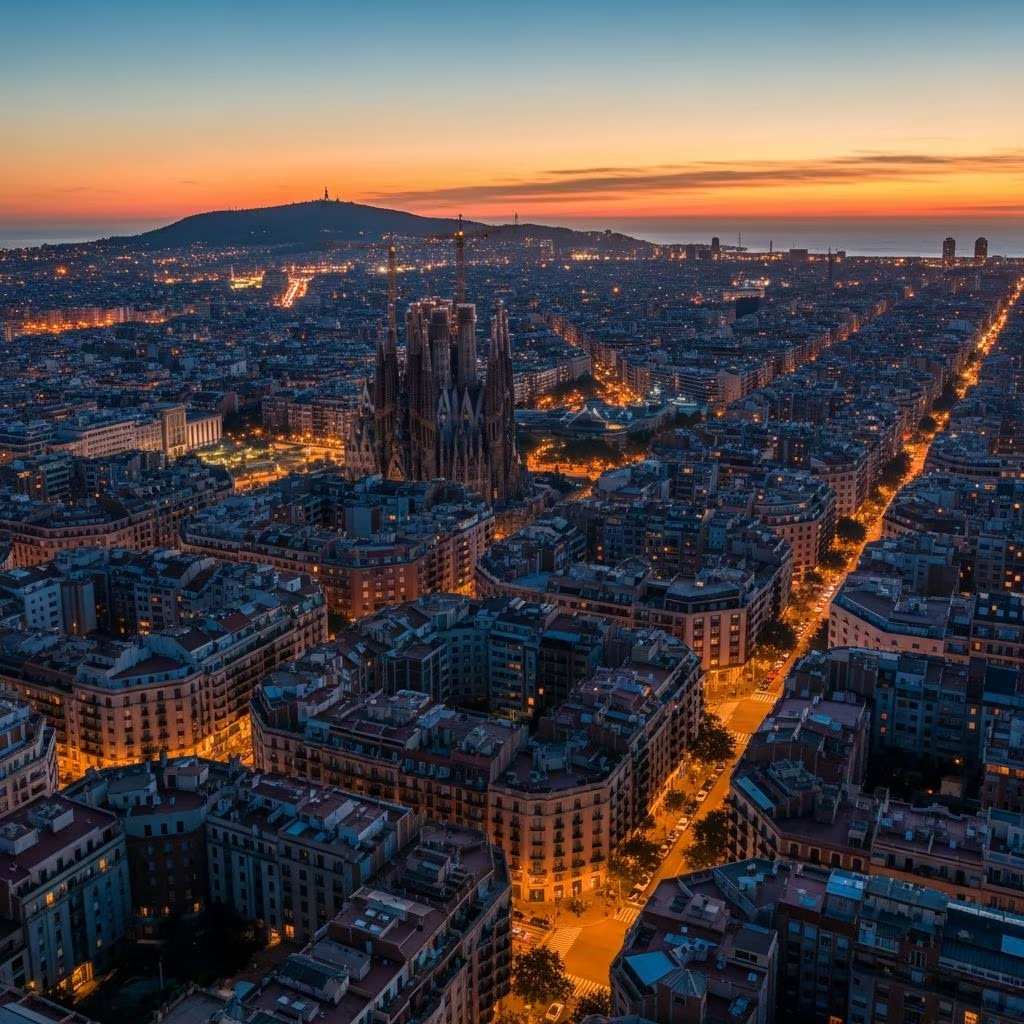
Barcelona stands as one of Europe’s most visited destinations, drawing millions of travelers annually with its stunning architecture, vibrant culture, and Mediterranean coastline. However, the timing of your visit dramatically influences your experience, from the quality of your accommodations to the ease with which you can explore famous landmarks. Understanding Barcelona’s seasonal patterns allows you to align your trip with your personal priorities, whether that means avoiding crowds, securing budget-friendly rates, or maximizing pleasant weather conditions.
Barcelona’s Mediterranean climate creates distinct seasonal characteristics that shape visitor experiences. The city enjoys mild winters and warm summers, with the Mediterranean Sea moderating temperature extremes. Rainfall concentrates during specific periods, making timing important for those who prefer dry conditions. Sea breezes from the Mediterranean provide natural cooling, even during warmer months, contributing to the city’s overall comfort level across most of the year.
The city’s latitude and coastal location create extended daylight hours during summer months and shorter days in winter. This variation affects how much you can accomplish during a single day and influences the ambiance of evening exploration. Understanding these climate dynamics helps travelers pack appropriately and plan activities strategically.
May emerges as one of the most strategically advantageous months for visiting Barcelona. This period bridges the transition from spring to summer, offering temperatures between 64-77°F (18-25°C) that encourage outdoor exploration without excessive heat. The city experiences approximately 7 AM to 8:30 PM daylight hours, providing ample time for sightseeing and leisure activities.
During May, Barcelona hosts significant cultural events including Primavera Sound, a world-renowned music festival that attracts music enthusiasts globally. Major attractions remain accessible without the overwhelming queues characteristic of peak summer months. Hotel availability remains relatively good, and accommodation prices haven’t reached their annual peaks, making this month particularly attractive for first-time visitors seeking a balanced experience.
May offers the advantage of exploring outdoor spaces like Park Güell and Montjuïc when spring flowers remain in bloom, creating particularly photogenic environments. The weather supports extended beach time, though the Mediterranean maintains a slightly cooler temperature compared to late summer months.
June through August transform Barcelona into a bustling destination with significant advantages and notable challenges. June offers warm weather with temperatures rising to comfortable levels while maintaining manageable crowd levels. The Mediterranean reaches approximately 72-77°F (22-25°C), making beach swimming genuinely enjoyable. July and August bring peak temperatures reaching the mid-80s Fahrenheit, along with the year’s highest tourist concentrations.
July and August present the most crowded conditions at Barcelona’s primary attractions, with visitors queuing extensively at sites like La Sagrada Familia and Park Güell. Some local establishments reduce their operating hours or close entirely during August as locals leave the city. The Spanish government has implemented air conditioning restrictions in public spaces, limiting cooling to 27°C (80.6°F), which may affect visitor comfort during the hottest periods.
Early July distinguishes itself from later summer months through slightly reduced crowds while maintaining excellent beach conditions. The extended daylight—approximately 6:30 AM to 9:30 PM—enables late-evening beach visits and outdoor dining experiences. Early summer suits travelers prioritizing beach access and warm Mediterranean swimming conditions over crowd avoidance.
September represents a transition month where summer’s heat gradually diminishes while summer’s tourist volumes significantly decrease. Temperatures remain comfortably warm (typically 60-77°F or 16-25°C), and the Mediterranean retains sufficient warmth for swimming. September hosts La Mercè Festival, Barcelona’s largest celebration featuring cultural performances, parades, and artistic events that showcase local traditions.
Visiting during early September allows experiencing Barcelona’s attractions with substantially reduced queues compared to July and August. This month appeals to travelers seeking warm weather without peak-season crowds, offering improved access to museums and landmarks while maintaining pleasant outdoor conditions. Hotel prices decline from their summer peaks, and restaurant reservations become easier to secure.
October continues autumn’s advantages, combining mild weather (61-75°F or 16-24°C) with further crowd reductions. The sea remains warm enough for swimming, though fewer tourists venture to beaches. Cultural events proliferate, including the Barcelona International Jazz Festival. October provides excellent conditions for sightseeing, photography, and experiencing local culture without the summer rush.
November through February transforms Barcelona into a significantly quieter destination, appealing to budget-conscious travelers and those seeking peaceful exploration. November and early December particularly benefit from post-summer crowd dispersal while maintaining relatively pleasant weather. Temperatures range from 50-59°F (10-15°C), requiring light jackets but rarely experiencing extreme cold. Indoor attractions including museums, galleries, and restaurants provide comfortable alternatives during occasional rain showers.
January and February offer the year’s most aggressive price reductions on flights, hotels, and dining. Following the holiday season, accommodation rates drop substantially, creating opportunities for significant savings. While weather becomes cooler and wetter, Barcelona rarely experiences truly freezing conditions. Rainfall increases during this period, particularly in autumn’s tail end and winter’s early months, making waterproof clothing advisable.
December presents a unique opportunity, combining winter’s budget advantages with festive holiday atmosphere. The city decorates elaborately, markets spring up throughout neighborhoods, and cultural celebrations create special ambiance. Daytime hours shrink to approximately 8 AM to 5:30 PM, requiring early activity planning to maximize daylight exploration.
March through May spans Barcelona’s spring season, offering moderate temperatures with occasional cool winds and rain showers. Early spring (March and April) presents temperatures ranging from 50-64°F (9-18°C), requiring layered clothing as weather patterns remain variable. Late spring (May) shifts toward summer conditions while avoiding peak-season pressures.
Spring appeals to photographers seeking vibrant natural scenery, particularly in April and May when flowers bloom throughout parks and gardens. Park Güell and Montjuïc display special beauty during this period. The shoulder season classification means reduced crowds compared to summer, though increasing numbers of visitors signal the approaching peak season. Sightseeing queues remain manageable, and accommodation remains reasonably priced.
| Priority | Best Months | Key Advantages | Temperature Range |
|---|---|---|---|
| Budget Optimization | January, February | Lowest prices on accommodations and flights | 50-59°F (10-15°C) |
| Beach Activities | June, early July | Warm Mediterranean, manageable crowds | 72-77°F (22-25°C) |
| Crowd Avoidance | November, early December | Minimal tourist congestion, cultural atmosphere | 48-57°F (9-14°C) |
| Photography Opportunities | March-May, September-November | Optimal lighting, seasonal scenery variations | 50-77°F (10-25°C) |
| Balanced Experience | May, September | Pleasant weather, fewer crowds, reasonable prices | 64-77°F (18-25°C) |
| Cultural Events | May (Primavera Sound), September (La Mercè) | Major festivals with authentic celebrations | 64-77°F (18-25°C) |
May and September suit first-time visitors exceptionally well. These months provide comfortable temperatures, manageable crowds at major attractions, and vibrant cultural programming. First-time visitors benefit from accessible sightseeing conditions that allow thorough exploration of landmarks like La Sagrada Familia, Park Güell, and the Gothic Quarter without excessive queuing. Festival seasons enhance cultural immersion while reducing the feeling of being overwhelmed by tourist infrastructure.
Spring (March-May) and autumn (September-November) offer superior photographic conditions. Spring’s emerging blooms provide natural color contrasts, while autumn’s golden light enhances architectural details. Both seasons feature fewer tourists, enabling clearer shots of popular subjects. Early morning and golden hour visits to Park Güell, Casa Batlló, and Bunkers del Carmel yield particularly striking images. The seasonal lighting variations create dramatically different visual presentations of the same locations.
June and early July optimize beach experiences with warm, swimmable Mediterranean conditions while avoiding August’s peak crowds. Beaches like Barceloneta and Bogatell offer lively atmospheres without overwhelming congestion. Late-summer daylight hours extend beach activities into evening, allowing sunset swimming and dining.
Winter months—particularly January and February—provide maximum savings on accommodations, flights, and dining. These travelers accept cooler weather and occasional rain in exchange for substantially reduced expenses. Barcelona’s indoor attractions remain fully operational, ensuring comfortable exploration despite potentially challenging weather.
May through June and September through October present family-friendly conditions with pleasant weather and school holiday alignment. December offers festive atmosphere combined with holiday break timing, though prices remain moderately elevated. These periods balance child comfort with manageable crowds, though summer requires earlier wake times to beat queues at major attractions.
Peak summer months (June-August) require advance booking, often several months ahead. Shoulder seasons (May, September, October) demand booking 6-8 weeks in advance. Winter months (January-February) offer last-minute availability and negotiable rates. Seasonal demand directly correlates with pricing, making strategic timing crucial for budget optimization.
August witnesses partial business closures as locals vacation, potentially affecting dining options and entertainment venues. Standard operations resume by early September. Peak summer crowds create extended wait times at popular restaurants, while shoulder and off-season periods offer easier reservations and immediate seating.
Rainfall concentrates during autumn months (September-November), with late autumn potentially bringing days of gray skies and consistent moisture. This period requires waterproof clothing and flexible sightseeing plans. Summer months rarely see rain, providing predictable dry conditions. Spring occasionally brings wind and rain showers requiring light layers. Winter receives moderate rainfall with occasional intense periods.
Temperature variations necessitate different packing approaches. Winter requires layered clothing including jackets, while summer demands sun protection and lightweight garments. Spring and autumn call for versatile layering adapting to variable conditions. Heat sensitivity should factor into summer timing decisions, particularly given air conditioning limitations in public spaces.
May and September consistently rank highest due to their combination of pleasant temperatures (64-77°F), manageable crowds, reasonable prices, and vibrant cultural programming. These months optimize multiple variables simultaneously, making them ideal for travelers without specific seasonal constraints.
Absolutely. Winter suits travelers prioritizing budget savings and peaceful exploration. Indoor attractions remain fully operational, local restaurants offer authentic experiences without tourist crowds, and the city displays festive holiday atmosphere during December. Cooler temperatures simply require appropriate clothing adjustments.
Summer’s primary challenge involves crowds rather than inherent unpleasantness. Warm, sunny weather enables beach activities and outdoor exploration. Early June and early July avoid August’s peak congestion while maintaining summer advantages. Travel during less popular hours—early mornings and late evenings—mitigates crowd-related frustrations.
Price variations reach 50-70% differences between peak and off-seasons. January and February typically offer the lowest rates, while July and August command premium prices. Shoulder seasons (May, September, October) provide moderate pricing, balancing cost considerations with good conditions.
No. Barcelona’s Mediterranean climate prevents extreme conditions. Winter rarely brings freezing temperatures, while summer remains manageable despite heat. Autumn occasionally brings concentrated rainfall, and spring may include occasional storms, but sustained extreme weather remains uncommon.
