

 Travel Essentials
 Travel Essentials

Unlock the perfect window to visit Belfast with insights on weather patterns, peak events, crowd levels, and budget tips for each season to maximize your Northern Ireland adventure.
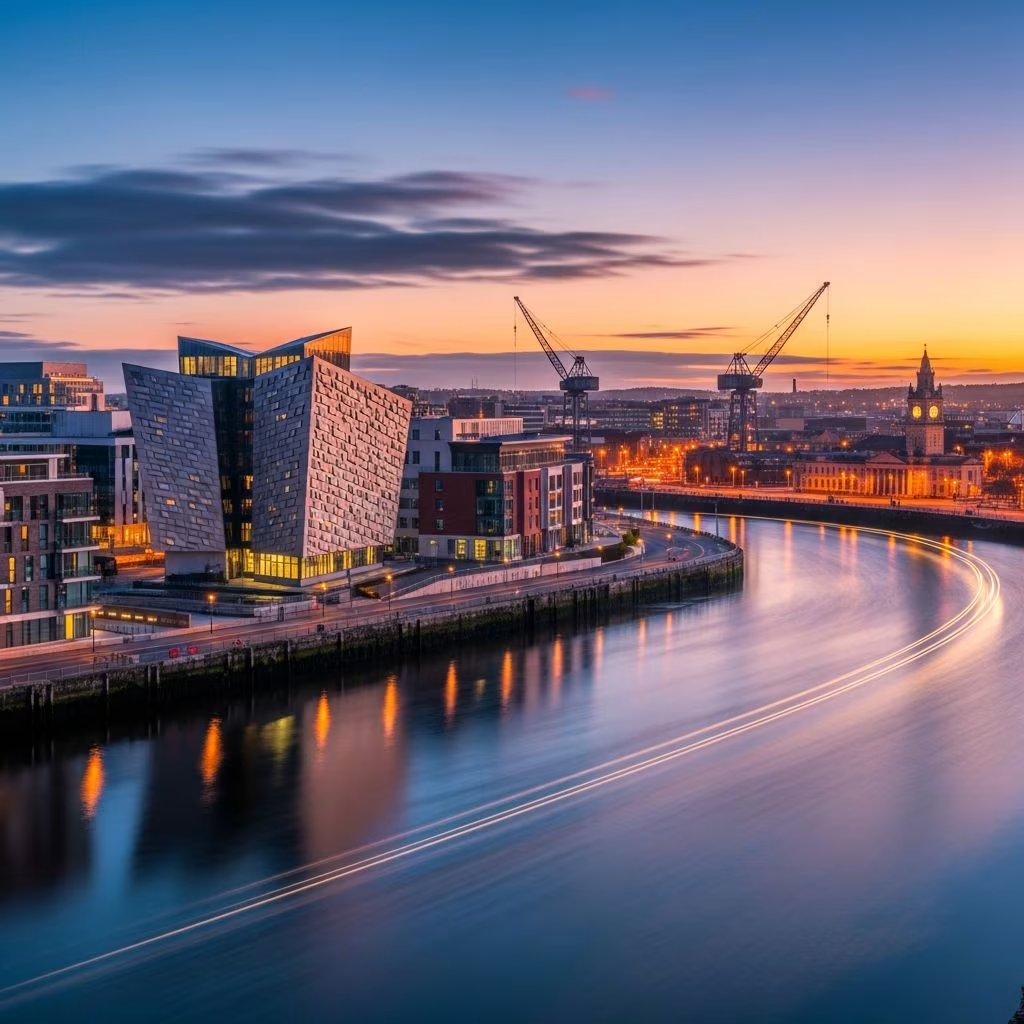 Travel Essentials
Belfast, the dynamic capital of Northern Ireland, offers distinct seasonal charms influenced by its coastal location and the moderating Gulf Stream. Temperatures rarely extremes, but rain is frequent year-round, so pack layers and waterproof gear. The prime periods hinge on your priorities: vibrant energy and long days in warmer months or serene, cost-effective escapes otherwise.
Belfast’s temperate maritime climate means mild conditions without scorching summers or bitter freezes. Average highs range from 7°C (45°F) in winter to 19°C (66°F) in summer, with rainfall averaging 850mm annually, peaking in late fall. Sunshine hours increase from 40 in December to over 170 in June, extending daylight for sightseeing. Influenced by the North Atlantic and Irish Sea, expect changeable skies—sunny intervals often follow showers.
| Season | Avg High (°C/°F) | Avg Low (°C/°F) | Rain Days | Daylight Hours |
|---|---|---|---|---|
| Spring (Mar-May) | 12/54 | 4/39 | 15 | 10-16 |
| Summer (Jun-Aug) | 18/64 | 11/52 | 14 | 16-18 |
| Autumn (Sep-Nov) | 14/57 | 7/45 | 18 | 9-13 |
| Winter (Dec-Feb) | 8/46 | 3/37 | 19 | 7-9 |
Data synthesized from seasonal averages; actual conditions vary.
Spring transforms Belfast into a floral paradise as parks burst with color and wildlife stirs. Milder days from March onward (highs 10-15°C/50-59°F) suit outdoor pursuits like coastal walks along the Lagan River or hikes in nearby hills. Early season brings cool, rainy spells, but April and May warm up, with blooming gardens enhancing Titanic Quarter strolls or Botanic Gardens picnics.
Family-friendly events shine: the Spring Fair and Flower Show in April delights kids with displays and activities, while the Belfast Film Festival screens indie gems citywide. St. Patrick’s Day (March 17) fills streets with parades, music, and green-clad revelers, drawing crowds for a cultural immersion. Rainfall persists (around 60mm/month), but longer days compensate.
June-August marks peak season, with the longest days (up to 17 hours of light) and pleasant warmth (15-20°C/59-68°F). Belfast buzzes: outdoor markets thrive, pub gardens overflow, and festivals abound. The Titanic Maritime Festival celebrates the ship’s legacy with boat tours and exhibits, while Bushmills Salmon & Whiskey Festival offers tastings amid scenic distilleries. Music events, beer gardens, and street performances amplify the energy.
Proximity to attractions like Giant’s Causeway shines under sunny skies, perfect for hiking Mourne Mountains or Antrim Coast drives. However, crowds swell—especially July-August with school holidays and cruise arrivals—pushing hotel rates 30-50% higher. Mugginess builds later, and rain (though less frequent) disrupts plans. Book ahead for accommodations and top sites.
As leaves turn gold and crimson, September-November delivers crisp air (10-16°C/50-61°F) and thinning crowds. Early autumn retains summer’s mildness, ideal for uncrowded visits to Belfast Castle or Black Mountain trails amid foliage. The Glens Storytelling Festival in October weaves tales in Antrim’s dramatic valleys, blending culture and scenery.
Temperatures dip by November, with increased rain (80mm+), but lower demand slashes prices—flights and stays drop 20-40%. Markets like St. George’s bustle weekends with crafts and eats. Nights chill (bring thermals), yet daytime suits city wanders: murals in Falls and Shankill, or Cathedral Quarter haunts.
Winter’s chill (4-9°C/39-48°F) and frequent rain/snow flurries test resolve, but festive spirit warms hearts. December’s Christmas Market at City Hall twinkles with mulled wine, crafts, and ice rinks, extending into twilight sessions. New Year’s fireworks over the waterfront cap celebrations.
Post-holidays, January-February offer rock-bottom prices and empty streets for introspective tours: Ulster Museum depths or peace walls at dawn. Snow rarely sticks city-level, but mountains beckon skiers. Pubs glow with fireside sessions, live trad music, and stews. Damp gloom prevails (20+ rainy days), limiting outdoors.
Belfast’s events punctuate seasons:
Check official calendars for dates; many free.
Layered clothing rules: breathable bases, waterproof shells, sturdy boots. Umbrellas falter in wind—opt for packable ponchos. Sunscreen for rare scorchers; thermals for winter. Apps like Met Office track hyper-local forecasts. Public transport thrives year-round; consider Belfast Visitor Pass for savings.
| Season | Accommodation Cost | Crowd Level | Flight Deals |
|---|---|---|---|
| Spring | Medium | Low-Medium | Good |
| Summer | High | Peak | Poor |
| Autumn | Low | Low | Excellent |
| Winter | Lowest | Minimal | Best |
Trends based on historical data; shoulder months (May, Sep-Oct) balance best.
June or July for warmth and events, though busier; May/September for value.
Rarely in the city; light dustings possible January-February, more in hills.
Yes, compact center suits pedestrians; buses/trams for outskirts.
About 170 rainy days/year—prepare but don’t deter; showers brief.
Summer or spring for outdoor fun and festivals.
