


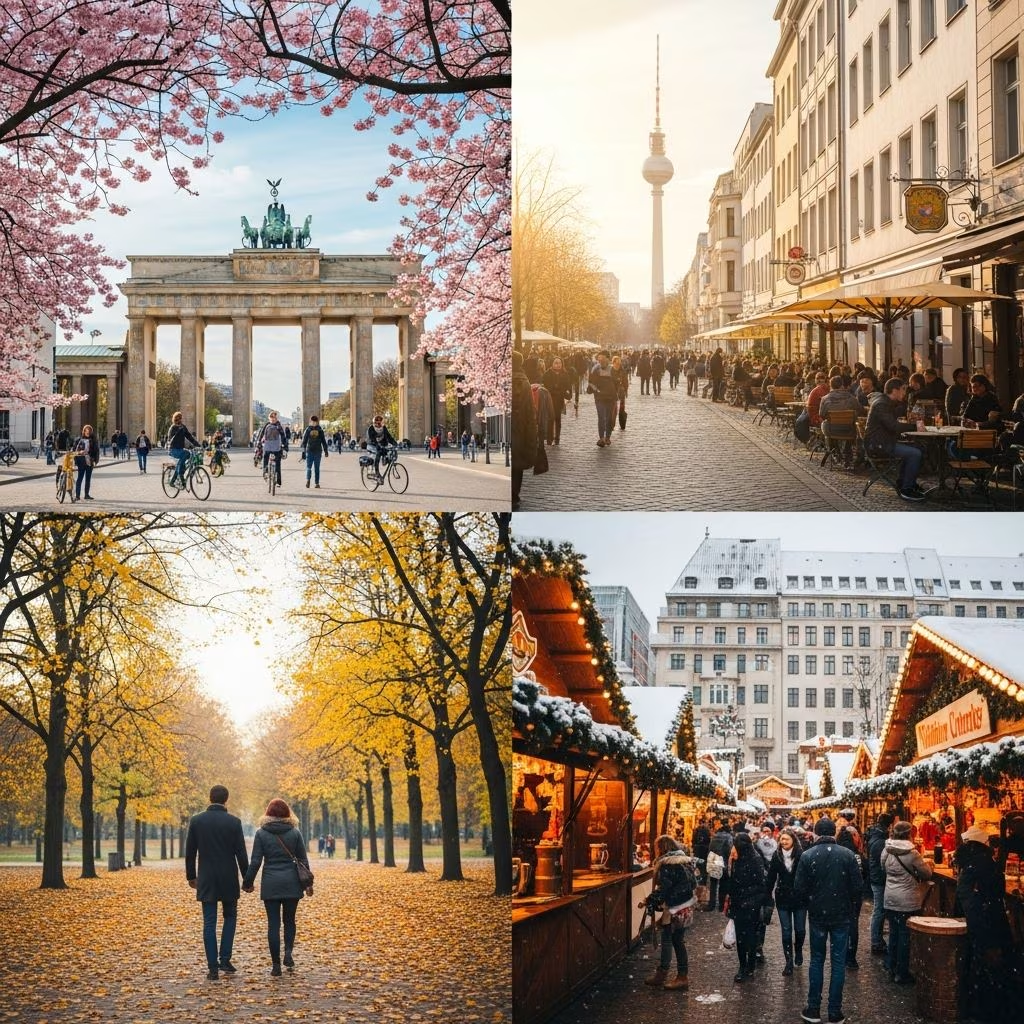
Choosing when to visit Berlin significantly impacts your experience of Germany’s vibrant capital. Each season offers distinct advantages, from energetic summer festivals to cozy winter markets. Understanding what each period has to offer helps travelers align their visit with personal preferences regarding climate, crowds, activities, and budget considerations.
Understanding Berlin’s Climate and Seasonal Patterns
Berlin experiences a temperate continental climate with four distinct seasons, each presenting different travel opportunities and challenges. The city transitions dramatically from warm, long days in summer to cold, short days in winter. Spring brings mild temperatures with occasional rain, summer offers warm and sometimes humid conditions, autumn delivers crisp air with beautiful foliage, and winter brings cold weather with limited daylight hours.
The seasonal shifts influence not only outdoor activities but also indoor attractions, dining experiences, and the overall atmosphere of the city. Visitors should consider how weather affects their planned activities, from museum visits to outdoor sightseeing and nightlife experiences.
Late Spring: Awakening and Cultural Renewal
The period spanning March through May represents Berlin’s shoulder season, characterized by mild temperatures and increasingly vibrant street life. March marks a pivotal transition when residents visibly embrace outdoor activities as winter’s grip loosens. Daytime temperatures gradually rise, though evening jackets remain essential.
By late April and early May, the city transforms with botanical beauty. Cherry blossoms create picturesque scenes in parks and gardens, while general greenery expands throughout the city’s numerous public spaces. This timing coincides with May Day celebrations, one of Berlin’s most cherished local festivals, when the entire city seems energized by the promise of summer.
Spring offers several practical advantages for travelers:
- Fewer crowds compared to high summer season
- More accessible reservations at popular restaurants and easier entry to clubs
- Pleasant temperatures suitable for extended walking tours
- Lower accommodation prices than summer peak rates
- Better opportunities for solitude in parks and cultural venues
Many establishments begin opening their outdoor terraces and beer gardens during this season, creating a preview of summer’s famous street culture. The weather remains unpredictable, with occasional spring showers, so packing layered clothing and a light rain jacket remains advisable.
Summer: Peak Season and Outdoor Festivities
June through August constitutes Berlin’s most celebrated season, though timing within these months significantly affects your experience. June stands out as the optimal summer month, offering excellent weather while maintaining slightly lower prices than July and August. The extended daylight hours support evening exploration and al fresco dining until late into the evening.
Summer transforms Berlin’s public spaces into continuous celebration venues. Beer gardens fill with locals and tourists alike, flea markets proliferate across neighborhoods, and impromptu gatherings occur along riverbanks and lakeshores. The city’s famous nightlife reaches peak energy, with open-air dance floors and rooftop venues operating at full capacity.
However, late summer requires careful consideration. July and August present potential drawbacks:
- High humidity levels, particularly in August
- Significantly increased tourist crowds
- Premium pricing across hotels, restaurants, and attractions
- Increased wasp populations in August that can disrupt outdoor dining
- Occasional heat waves making some accommodations uncomfortably warm
August specifically poses challenges due to extreme humidity and pest issues. If visiting during peak summer, booking air-conditioned accommodations in advance proves essential. June emerges as the superior choice within the summer season, balancing pleasant weather with more manageable crowds and reasonable pricing.
Autumn: Artistic Energy and Fall Colors
September and October represent transitional months that capture much of summer’s positive energy while introducing autumn’s distinctive charm. September often retains warm temperatures from summer but offers significantly lower humidity levels. The wasp populations that plague August have largely diminished, allowing comfortable outdoor dining and park activities.
October brings distinctive visual character as trees display brilliant fall foliage throughout the city’s green spaces, including popular destinations like Grunewald and Tempelhofer Feld. The quality of light becomes golden and warm, creating ideal photography conditions and enhancing the architectural beauty of Berlin’s historic districts.
Fall months host several significant cultural events. September features Berlin Art Week, combining gallery exhibitions, artist studio visits, and specialized art fairs. October brings the Festival of Lights, a ten-day celebration where major landmarks including the Fernsehturm (TV Tower), Berliner Dom, and Brandenburg Gate receive spectacular illuminations and projections. German Unity Day on October 3rd also features concerts and cultural events.
From a practical standpoint, autumn offers advantages over both summer and winter:
- Reduced tourist crowds compared to peak summer
- Substantially lower accommodation and flight prices than summer
- Comfortable weather for extended outdoor exploration
- Accessible restaurant reservations and venue entry
- Abundant cultural programming and festivals
Weather remains somewhat unpredictable in October, with rainfall increasing as the month progresses. However, the autumn beauty often outweighs occasional wet days.
Winter: Budget-Friendly and Cozy Experiences
November through February presents Berlin’s most budget-conscious period, though cold temperatures and minimal daylight hours characterize these months. Winter attracts fewer international tourists, resulting in significantly reduced prices for accommodations, dining, and attractions. Museums and galleries feature thinner crowds, allowing more intimate engagement with cultural offerings.
Despite climate challenges, winter generates unique atmospheric experiences. The holiday season brings Christmas markets across the city from late November through December, creating festive gatherings and traditional German culinary experiences. Cozy indoor venues—from candlelit cafés to intimate wine bars—flourish during winter, offering warm ambiance and hearty German cuisine that feels particularly satisfying during cold weather.
Winter presents distinct advantages for specific traveler profiles:
- Hotel rates reach annual minimums
- Short queues at major nightclubs and cultural venues
- Easier restaurant reservations, even at popular establishments
- Potential apartment sublets at reduced rates through community networks
- Authentic, less touristy atmosphere
However, winter limitations require honest assessment. Berlin receives approximately two hours of average daily sunshine during winter months, creating gray cityscapes and limited daylight for exploration. Cold temperatures require substantial winter clothing, and heating systems in some budget accommodations may prove inadequate.
New Year’s Eve celebrations divide opinion sharply. Some travelers embrace the rowdy street celebrations, fireworks displays, and parties around Brandenburg Gate, while others prefer quieter holiday relaxation. Planning your winter visit with this diversity in mind proves essential.
Choosing Your Ideal Visit Timeframe
| Season | Best For | Weather | Crowds | Price Level |
|---|---|---|---|---|
| March-May | Mild weather, cultural events | Cool to mild, some rain | Moderate | Mid-range |
| June-August | Outdoor activities, festivals | Warm to hot, sometimes humid | High | High |
| September-October | Fall foliage, art events | Cool, mostly dry | Moderate | Mid-range |
| November-February | Budget travel, cozy experiences | Cold, minimal daylight | Low | Low |
Different traveler archetypes benefit from various seasons. Outdoor enthusiasts should target April through September for comfortable exploration conditions. Budget-conscious travelers maximize value by visiting November or January, when prices reach annual lows. Cultural enthusiasts benefit from spring’s emerging outdoor venues or autumn’s art events and illumination festivals. Families with school schedules might find summer vacation periods unavoidable despite crowds and heat.
Practical Considerations for Your Decision
Beyond weather and events, several factors should influence seasonal selection. Consider your climate tolerance—travelers uncomfortable in heat should avoid July and August, while those sensitive to cold might find November through February challenging. Professional photographers and visual artists may prefer specific seasons; autumn’s golden light and spring’s cherry blossoms offer distinct aesthetic opportunities.
Accommodation availability fluctuates seasonally. Peak summer (July-August) and December holiday weeks often see complete booking, requiring reservations months in advance. Spring and fall shoulder seasons offer better availability with advance booking typically sufficient. Winter provides maximum availability but sometimes at venues with limited amenities.
Specific events and festivals anchor many travelers’ decisions. May Day celebrations, summer street festivals, September Art Week, October’s Festival of Lights, and November-December Christmas markets each draw devoted crowds. Researching exact event dates for your travel year ensures alignment with desired experiences.
Seasonal Event Calendar Overview
- March-May: Cherry Blossom Festival (mid-April), May Day celebrations, outdoor venue openings
- June-August: Summer street festivals, open-air events, open-air cinema, beer garden season peak
- September-October: Berlin Art Week (September), Festival of Lights (October), German Unity Day (October 3)
- November-December: Christmas markets (late November through December 24), New Year’s Eve celebrations
Making Your Final Decision
The “best” time to visit Berlin ultimately depends on individual priorities and constraints. Berlin functions as a year-round destination with distinctive character in each season. Travelers seeking vibrant street culture and warm weather accept summer crowds and prices. Those valuing solitude and budget efficiency endure winter’s darkness. Spring and fall offer compromise options balancing comfort, costs, and crowd levels.
Consider combining factors: perhaps spring visits for pleasant weather and cultural emergence, or autumn for artistic programming and visual beauty. Some travelers prefer return visits across seasons, experiencing Berlin’s protean character throughout the calendar year.
Frequently Asked Questions
What month has the best weather in Berlin?
June typically offers the most consistently pleasant weather—warm but not excessively hot, with reasonable humidity levels and lower precipitation than other months. May and September represent close alternatives.
When is Berlin least crowded?
November through February experiences the lowest tourist volumes, with January representing the absolute minimum. However, this coincides with cold temperatures and limited daylight.
Is winter worth visiting despite cold weather?
Winter appeals to budget-conscious travelers, cultural venue enthusiasts benefiting from short queues, and those seeking authentic local atmosphere. Christmas markets and cozy venues create distinctive charm unavailable in other seasons.
Should I avoid August completely?
While August presents challenges including heat, humidity, and wasp populations, it remains viable for those seeking lively summer atmosphere and nightlife. June offers superior conditions within the summer window.
What’s the benefit of visiting in September-October?
Fall balances outdoor comfort with moderate crowds, features cultural events including Art Week and Festival of Lights, and maintains prices lower than peak summer.
References
- The best time to visit Berlin – Lonely Planet — Lonely Planet. Accessed April 2026. https://www.lonelyplanet.com/articles/best-time-to-visit-berlin
- When to visit Berlin and Which Dates to Avoid — EuroCheapo.com. Accessed April 2026. https://www.eurocheapo.com/blog/when-to-visit-berlin.html
- An all-season guide to the best time to visit Berlin — GetYourGuide. Accessed April 2026. https://www.getyourguide.com/explorer/berlin-ttd17/best-time-to-visit-berlin/
- When to Go to Berlin — Rick Steves Europe. Accessed April 2026. https://www.ricksteves.com/europe/germany/best-time-to-go-to-berlin
- The Best Time to Visit Berlin Germany (And When I’d Go Again) 2026 — Girl on a Zebra. Accessed April 2026. https://girlonazebra.com/best-time-to-visit-berlin/
- Best Time to Visit Germany (2025): Month-by-Month Climate Guide — Enchanting Travels. 2025. https://www.enchantingtravels.com/destinations/europe/germany/best-time-to-visit-germany/

