

 Travel Essentials
 Travel Essentials

Discover when to visit Bozeman with insights on weather, activities, crowds, and prices across all four seasons.
 Travel Essentials
Bozeman, nestled in the heart of Montana’s stunning mountain landscape, offers distinct experiences throughout the year. Each season presents unique advantages and challenges, making the ideal time to visit dependent entirely on your personal interests and priorities. Whether you’re drawn to mountain trails, winter sports, cultural events, or budget-conscious travel, understanding Bozeman’s seasonal characteristics helps you plan a visit that matches your preferences.
One of Bozeman’s greatest strengths is its remarkable consistency—the region averages approximately 300 days of sunshine annually, regardless of season. This means that even during colder months, you’ll experience plenty of clear, bright weather. The town balances outdoor recreation with cultural amenities, ensuring visitors find engaging activities no matter when they arrive. From world-class skiing resorts to pristine hiking trails, from riverside fly-fishing to wildlife watching opportunities, Bozeman accommodates various travel styles and interests year-round.
Summer represents Bozeman’s busiest and most popular season, spanning June through August. During these months, the region transforms into an outdoor enthusiast’s paradise with warm days that frequently reach the low 80s Fahrenheit, occasionally climbing higher. The combination of mild daytime temperatures and cool evenings creates ideal conditions for camping, hiking, and backpacking.
June marks the beginning of summer warmth, though this month ranks among the year’s rainiest periods. As July arrives, temperatures peak, with the hottest days often exceeding 80°F and occasionally reaching into the 90s. August maintains warm, dry conditions that attract significant crowds. Higher elevation areas may still retain patches of snow through early summer, particularly on north-facing slopes and in elevated basins.
The popularity that makes summer appealing also creates challenges. Accommodations book far in advance, with hotels commanding premium rates and campsite availability becoming scarce. Summer qualifies as peak season for flights into Montana as well, driving up airfare costs. Despite these factors, the combination of perfect weather and unlimited recreational opportunities makes summer the most sought-after visiting period for outdoor-focused travelers.
September and October emerge as exceptional times to experience Bozeman, offering what many consider the ideal balance of favorable weather, thinner crowds, and lower prices. This shoulder season appeals particularly to those seeking to avoid peak summer tourism while maintaining excellent outdoor conditions.
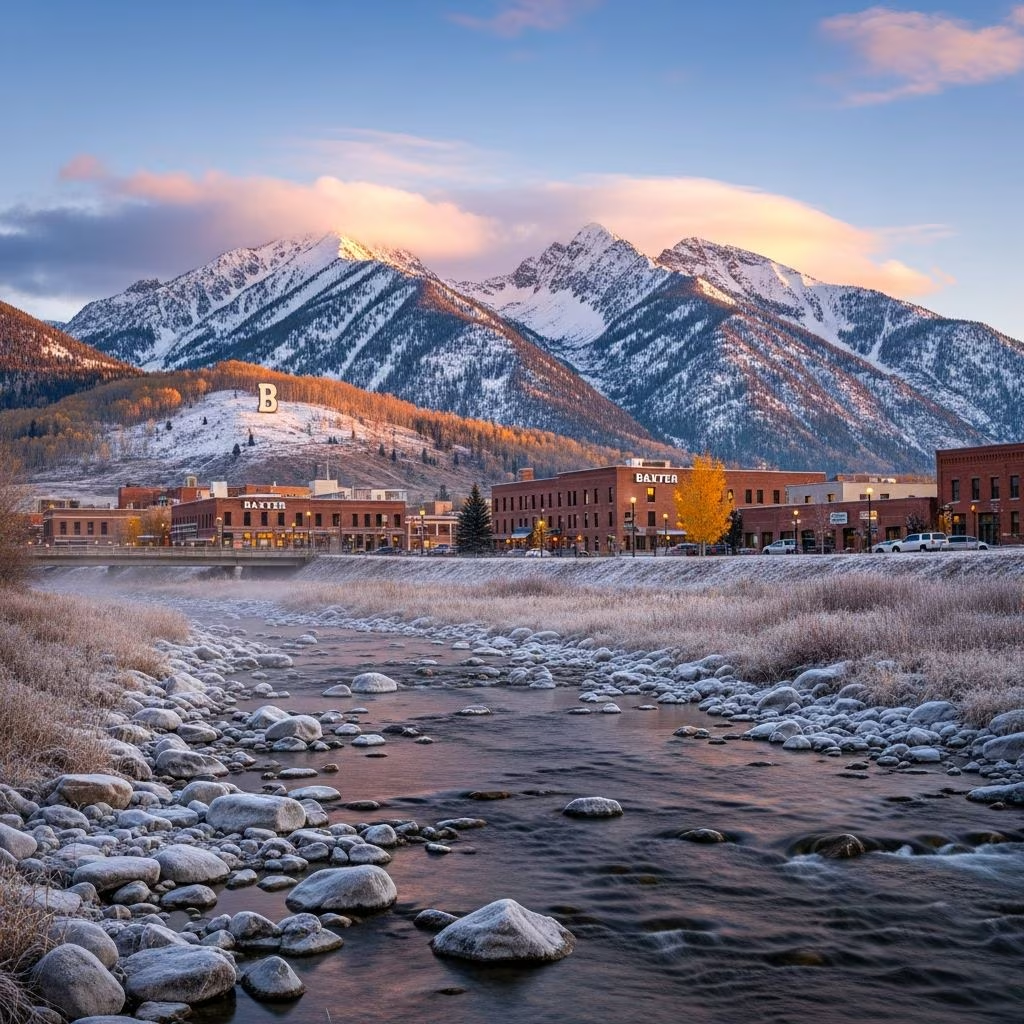
September delivers warm daytime temperatures typically in the low 70s Fahrenheit, while evenings cool considerably. October often features Indian summer conditions, with midday temperatures frequently surpassing 70°F. The overall climate remains dry and comfortable, eliminating summer’s mosquito nuisance that plagues many outdoor activities. By mid-October, fall foliage transforms the landscape into spectacular displays of color, creating particularly scenic conditions for scenic drives and photography.
After Labor Day, school begins for both university students and K-12 children, causing visitor numbers to decline substantially. Montana State University’s academic calendar shifts attention indoors, and families with school-age children curtail travel plans. This shift creates what many travelers call “kid-free” conditions, making hiking trails noticeably less crowded and camping experiences more peaceful. Forest service and park campgrounds remain fully operational through mid-September, providing additional recreational accessibility.
Accommodation prices decline noticeably compared to summer rates, and flight availability increases with lower demand. These economic advantages make fall particularly attractive for budget-conscious travelers who refuse to sacrifice quality experiences. Anglers appreciate the reduced river crowding, allowing more solitude during fly-fishing expeditions.
Winter transforms Bozeman into a destination for snow sports enthusiasts and those seeking cold-weather adventures. December through March defines the prime skiing season, though winter conditions persist from November through March, creating months of exceptional snow-based recreation.
Montana winters are notably severe, with December temperatures averaging lows around 12°F (-11°C). November begins the transition into winter, with average temperatures hovering near freezing and highs typically between 35-40°F. Substantial snowfall characterizes the season, with typical accumulations reaching one foot or more. These conditions create challenging driving situations that deter casual travelers but provide powder-day dreams for winter sports enthusiasts.
Winter represents the low season for general tourists, meaning significantly reduced crowds at popular sites. Accommodation prices reflect this lower demand, offering value-oriented deals particularly in January and April. However, challenging road conditions restrict travel for those uncomfortable with winter driving, and many hiking and biking trails become inaccessible. Cultural events decrease during winter months, though Montana State University hosts its annual Native American powwow featuring traditional dancing, drumming, and local crafts.
Spring (March through May) represents a transitional period when winter gradually yields to warmer conditions. This season appeals particularly to travelers seeking favorable pricing, moderate crowds, and the unique opportunity to experience both winter and spring activities within a single visit.
March retains substantial winter snow, though temperatures begin moderating. By April, average temperatures climb to around 59°F, creating conditions favorable for late-season skiing combined with warming trends. May temperatures average approximately 66°F, providing increasingly comfortable conditions for outdoor exploration. This progressive warming creates unpredictable weather patterns, requiring flexible packing strategies.
Spring represents an ideal period for those without school-age children seeking to avoid peak season crowds and pricing. April’s unique positioning allows adventurous travelers to experience both skiing and fishing within days, creating memorable multi-sport trips. Wildlife observation reaches excellent conditions as animals move about during spring migration patterns.
| Season | Temperature Range | Crowd Levels | Price Range | Best For |
|---|---|---|---|---|
| Summer (Jun-Aug) | 70-85°F | Peak/Very High | Premium | Hiking, camping, Yellowstone |
| Fall (Sep-Oct) | 50-75°F | Moderate | Moderate | Wildlife viewing, fishing, foliage |
| Winter (Nov-Mar) | 12-40°F | Low | Budget-friendly | Skiing, snowmobiling, winter sports |
| Spring (Mar-May) | 35-65°F | Low-Moderate | Budget-friendly | Late skiing, wildlife, photography |
Travel costs fluctuate significantly based on seasonal demand patterns. Summer represents the most expensive period for both accommodations and flights, with hotels reaching peak rates and limited availability. Fall offers moderate pricing with excellent value-to-experience ratios. Winter and spring provide budget-conscious options, particularly January and April for ski-related purchases. Shoulder seasons (late May and early November) present opportunities for favorable deals as tourism transitions between peak and low periods.
There is no universally “best” time; the ideal visit depends on personal interests. Summer suits outdoor recreation enthusiasts willing to accept crowds and premium pricing. Fall appeals to those balancing weather comfort with crowd avoidance and cost savings. Winter serves dedicated ski enthusiasts. Spring attracts budget-conscious travelers seeking diverse seasonal experiences.
There is no wrong time to visit Bozeman due to its 300 days of annual sunshine and diverse activities. However, those uncomfortable with winter driving conditions should avoid December through February. Peak summer (July-August) means higher costs and significant crowds. April and November present unpredictable weather that may frustrate those with fixed itineraries.
May and June rank among Bozeman’s wettest months, though precipitation remains moderate by national standards. Rain typically occurs in brief afternoon showers rather than day-long deluges, rarely interfering with planned activities.
Absolutely. While skiing dominates winter tourism, alternative activities include snowshoeing, cross-country skiing, dog sledding, winter photography, and indoor cultural events. The dramatic winter landscape offers unique beauty unavailable during other seasons.
Park roads typically reopen in mid-April after winter closure. Full accessibility continues through early November when winter weather forces seasonal road closures. Summer represents peak Yellowstone visitation, making fall an excellent alternative for park exploration from Bozeman’s proximity.
Choosing when to visit Bozeman requires balancing multiple factors: personal activity preferences, crowd tolerance, budget constraints, and weather comfort levels. Families with school-age children naturally gravitate toward summer despite higher costs and crowds. Adventure seekers pursuing hiking and backpacking find fall unbeatable. Winter transforms the region into a ski resort paradise. Spring provides opportunities for experiencing seasonal transitions and gaining insights into nature’s renewal cycles.
Regardless of your chosen season, Bozeman consistently delivers world-class outdoor experiences, cultural attractions, and the distinctive charm of Montana mountain communities. The region’s accessibility to Yellowstone National Park, combined with its extensive recreation infrastructure and vibrant local culture, ensures memorable experiences throughout the calendar year.
