


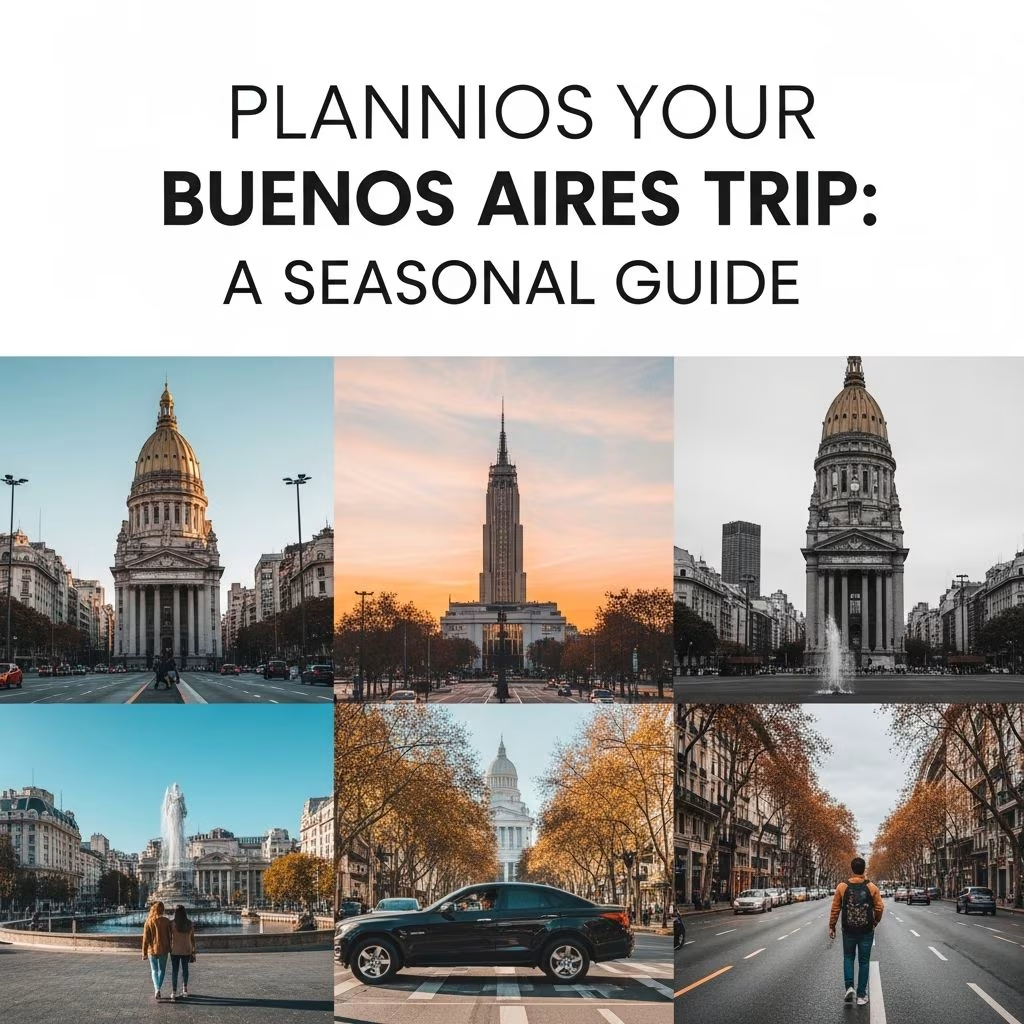
Buenos Aires, the capital of Argentina, offers distinct experiences throughout the year, shaped by the Southern Hemisphere’s reversed seasonal patterns compared to North America and Europe. Understanding how each season unfolds helps travelers align their visit with personal preferences, whether seeking optimal weather, budget-friendly rates, or specific cultural events. This guide explores what each season delivers and helps you determine when to book your trip to Argentina’s most iconic city.
Understanding Buenos Aires’ Climate Patterns
The city experiences four distinct seasons with dramatic variations in temperature and humidity. Since Buenos Aires sits in the Southern Hemisphere, December through February constitute summer, while June through August represent winter. This reversal means travelers accustomed to Northern Hemisphere seasons should recalibrate their expectations. The city rarely experiences snow, with meteorological records indicating such occurrences approximately once per century, making winter relatively mild compared to many Northern Hemisphere cities. Rainfall occurs throughout the year, though patterns vary seasonally, with summer occasionally bringing intense thunderstorms that punctuate prolonged hot spells.
Summer’s Heat and Holiday Crowds: December to February
The Southern Hemisphere summer transforms Buenos Aires into a warm and humid destination, with daytime temperatures averaging around 30°C (86°F). The combination of heat and humidity creates an intensified sensation of warmth that often feels more oppressive than the actual temperature suggests. This season attracts significant tourist influx, particularly during the Christmas and New Year holidays when schools and universities close across Argentina, triggering domestic tourism surges alongside international visitors.
Summer offers abundant daylight hours and outdoor activities, with countless restaurants and bars extending service into late evening as locals embrace outdoor living. However, the season’s drawbacks include crowded attractions, elevated accommodation prices, and the possibility of sudden, dramatic thunderstorms that can interrupt plans. For heat-tolerant travelers seeking vibrant nightlife and festive atmospheres, summer delivers an energetic Buenos Aires experience.
Autumn’s Comfortable Weather: March to May
As summer transitions to autumn, temperatures moderate considerably, creating what many consider an ideal climate for exploration. March through May presents average temperatures around 22°C (72°F), offering comfortable conditions for walking, sightseeing, and outdoor dining without the summer’s oppressive heat. Hotel occupancy typically drops during April through June, creating opportunities for negotiated rates and more personalized service at accommodations.
Autumn visitors benefit from golden-hued parks and a more relaxed atmosphere as domestic tourism wanes. This season maintains sufficient daylight for comprehensive city exploration while the reduced crowds mean shorter queues at museums, theaters, and attractions. The weather remains relatively stable, though rainfall can occur, so packing layers proves prudent. Autumn appeals particularly to travelers who value comfort, budget consciousness, and a more authentic interaction with the city’s rhythm.
Winter’s Cultural Opportunities: June to August
Winter in Buenos Aires defies stereotypes about cold-weather destinations, offering crisp days perfect for cultural pursuits and architectural appreciation. Temperatures range between 7°C and 16°C (45°F to 61°F), necessitating light jackets and layers but rarely requiring heavy winter coats. The season features relatively dry conditions compared to other times of year, with frequent sunny days that illuminate the city’s stunning buildings without overwhelming crowds.
This period presents exceptional opportunities to explore cultural landmarks like El Ateneo Grand Splendid, a bookstore housed within a restored early 20th-century theater, and Teatro Colón, Argentina’s premier opera house, without battling summer hordes. Winter also coincides with tango festivals and cultural performances, drawing enthusiasts to intimate venues and concert halls. Budget travelers find winter particularly appealing, as accommodation rates drop significantly and restaurants offer better availability for spontaneous dining experiences. The season’s lower tourism volume creates a more authentic Buenos Aires atmosphere, allowing deeper engagement with local neighborhoods and cultural offerings.
Spring’s Floral Beauty: September to December
Spring arrives with lengthening days and temperatures ranging from 14°C to 24°C (57°F to 75°F), creating an inviting climate for outdoor exploration. The season’s defining characteristic emerges through the city’s natural beauty, particularly the jacaranda blossom that transforms parks and streets with purple-blue hues. Porteños (Buenos Aires residents) return to parks during spring to socialize, drink mate (a traditional tea-like beverage), and celebrate the season’s arrival.
Spring combines comfortable weather with vibrant cultural energy, as festivals, outdoor performances, and street events proliferate throughout the city. This shoulder season typically maintains moderate pricing while avoiding the extreme crowding of summer holidays. Light clothing suffices for most days, with occasional jackets needed for cooler mornings and evenings. Spring appeals to travelers seeking natural beauty, cultural engagement, and pleasant weather without committing to peak-season expenses and congestion.
Seasonal Visitor Profile Considerations
Different traveler types benefit from distinct seasonal windows. Couples seeking romantic experiences often prioritize spring and autumn, when comfortable temperatures facilitate leisurely strolls through historic neighborhoods, outdoor dining, and evening cultural activities. The jacaranda blossoms of spring create particularly photogenic settings, while autumn’s golden parks provide equally romantic atmospheres.
Families with children may prefer April, September, and October, when mild temperatures make managing active children manageable without excessive heat stress or cold weather complications. These months allow comfortable exploration of parks, zoos, and interactive museums that form primary family attractions. Solo travelers often favor the extended period from September through May, finding spring and autumn particularly amenable for joining group tours, exploring neighborhoods independently, and experiencing the city’s safe, lively atmosphere.
Long-term backpackers coordinating Buenos Aires visits with broader South American itineraries often target shoulder seasons (September through November or March through April), allowing seamless transitions to Patagonia trekking opportunities and other regional destinations across Chile, Uruguay, and northern Argentina.
Budget Considerations Across Seasons
Accommodation pricing follows predictable patterns aligned with tourism demand. Summer months command premium rates, particularly December and January when both international and domestic tourists compete for limited availability. Winter offers the lowest prices, with June through August presenting exceptional opportunities for budget-conscious travelers to secure substantial discounts on hotels and restaurants. Shoulder seasons (autumn and spring) provide middle-ground pricing, typically lower than summer but higher than winter.
Beyond accommodation, dining costs remain relatively consistent year-round, though more upscale establishments may offer discounts during low seasons. Transportation and attraction admission fees remain stable seasonally, though crowds fluctuate significantly, affecting wait times and overall experience quality.
Cultural Events and Seasonal Activities
Buenos Aires maintains a robust cultural calendar that varies seasonally. August hosts the prestigious Tango Festival, drawing performers and enthusiasts for competitions, workshops, and performances throughout the city. November features Pride Parade celebrations, creating vibrant social atmosphere and extended festivities. Spring and autumn typically host book fairs, art exhibitions, and outdoor performances that take advantage of pleasant weather.
Specific neighborhoods host seasonal markets, outdoor cinema screenings, and street festivals that enhance the visitor experience. Parks transform throughout the year—spring brings floral displays, while autumn offers golden foliage and comfortable conditions for extended outdoor time.
Weather Comparison Table
| Season | Months | Temperature Range | Weather Characteristics | Best For |
|---|---|---|---|---|
| Summer | December–February | Around 30°C (86°F) | Hot, humid, occasional thunderstorms | Heat-lovers, nightlife seekers |
| Autumn | March–May | Around 22°C (72°F) | Mild, comfortable, stable | Comfortable exploration, budget travelers |
| Winter | June–August | 7–16°C (45–61°F) | Cool, dry, sunny | Cultural activities, budget-conscious visitors |
| Spring | September–December | 14–24°C (57–75°F) | Pleasant, blooming flowers, vibrant | Nature lovers, cultural events |
Practical Packing Recommendations
Summer visitors should prepare for heat and humidity with lightweight, breathable clothing, sunscreen, and an umbrella for sudden thunderstorms. Autumn requires layers—light sweaters or jackets for temperature fluctuations, as mornings and evenings cool considerably. Winter visitors need light jackets, long pants, and closed-toe shoes, but heavy winter coats prove unnecessary except during unusual cold snaps. Spring demands similar layering as autumn, with sun protection for extended outdoor time.
Frequently Asked Questions
What is the absolute best month to visit Buenos Aires?
November and March consistently emerge as optimal months, combining comfortable temperatures (around 21–22°C), beautiful natural aesthetics (jacaranda blossoms in November, golden parks in March), manageable crowds, and moderate pricing. Both represent shoulder seasons that balance weather quality with tourist volume and costs.
Can I visit Buenos Aires in summer despite the heat?
Yes, summer is entirely visitable for heat-tolerant travelers. The abundance of air-conditioned venues, outdoor nightlife extending late into evening, and festive holiday atmosphere create valid reasons to visit despite temperatures around 30°C. However, expect crowded attractions and premium accommodation prices during December and January.
Is winter in Buenos Aires too cold for comfortable tourism?
Winter’s 7–16°C temperatures prove quite manageable for most travelers. Light jackets suffice, and abundant sunny days create ideal conditions for exploring museums, theaters, and architectural landmarks. Winter is significantly milder than Northern Hemisphere winters at similar latitudes, making it highly suitable for tourism.
Which season offers the best value for budget travelers?
Winter (June–August) provides the lowest accommodation prices and restaurant discounts. Shoulder seasons (April–May and September–October) offer moderate savings while maintaining better weather than summer’s peak pricing. Early November and late March sometimes present good deals before or after peak holiday periods.
When should I avoid visiting Buenos Aires?
No season is truly unvisitable, though July experiences the coldest weather (though still mild) and January’s crowds peak. Personal preferences regarding heat tolerance, budget priorities, and interest in specific cultural events should guide decisions rather than absolute avoidance periods.
Making Your Decision
Selecting the optimal season depends on weighing multiple factors. Prioritize comfortable weather and moderate crowds by targeting November or March. Seek budget savings by visiting June through August, accepting cooler temperatures and reduced outdoor activity options. Crave nightlife and festive energy despite crowds and expense by visiting December through February. Desire authentic neighborhood exploration and cultural engagement by selecting autumn or spring shoulder seasons.
Buenos Aires accommodates visitors year-round, with each season offering distinct advantages and considerations. By aligning your visit with personal priorities—whether weather comfort, budget constraints, cultural interests, or specific events—you create an experience tailored to your travel style and expectations.
References
- The best time to visit Buenos Aires — Lonely Planet. Accessed April 2026. https://www.lonelyplanet.com/articles/best-time-to-visit-buenos-aires
- When Is the Best Time to Visit Buenos Aires? — Celebrity Cruises. https://www.celebritycruises.com/blog/best-time-to-visit-buenos-aires
- When Is the Best Time to Visit Buenos Aires? Here’s What You Need to Know — Go with Guide. https://gowithguide.com/blog/when-is-the-best-time-to-visit-buenos-aires-here-s-what-you-need-to-know-5963

