

 Travel Essentials
 Travel Essentials

Unlock the best periods to visit Buenos Aires, considering climate patterns, tourist volumes, events, and budget tips for an unforgettable trip.
 Travel Essentials
Buenos Aires, the dynamic heart of Argentina, offers distinct experiences across its seasons due to its Southern Hemisphere location. Temperatures fluctuate significantly, influencing everything from outdoor activities to cultural immersion. Spring and fall emerge as prime windows for balanced weather and manageable crowds, while summer brings heat and energy, and winter provides cooler, quieter days.
The city’s humid subtropical climate features hot, humid summers from December to February and mild winters from June to August. Average highs reach 30°C (86°F) in peak summer, often feeling hotter due to humidity, with occasional thunderstorms providing relief. Spring (September-November) and fall (March-May) offer comfortable 14-24°C (57-75°F) ranges, ideal for extended exploration. Winter dips to 7-16°C (45-61°F), with dry conditions suiting indoor attractions.
| Season | Months | Avg High (°C/°F) | Key Features | Crowds |
|---|---|---|---|---|
| Summer | Dec-Feb | 30/86 | Hot, humid, thunderstorms | High |
| Fall | Mar-May | 22/72 | Mild, low hotel rates | Low |
| Winter | Jun-Aug | 16/61 | Cool, dry, discounts | Low |
| Spring | Sep-Nov | 24/75 | Blooms, pleasant walks | Medium |
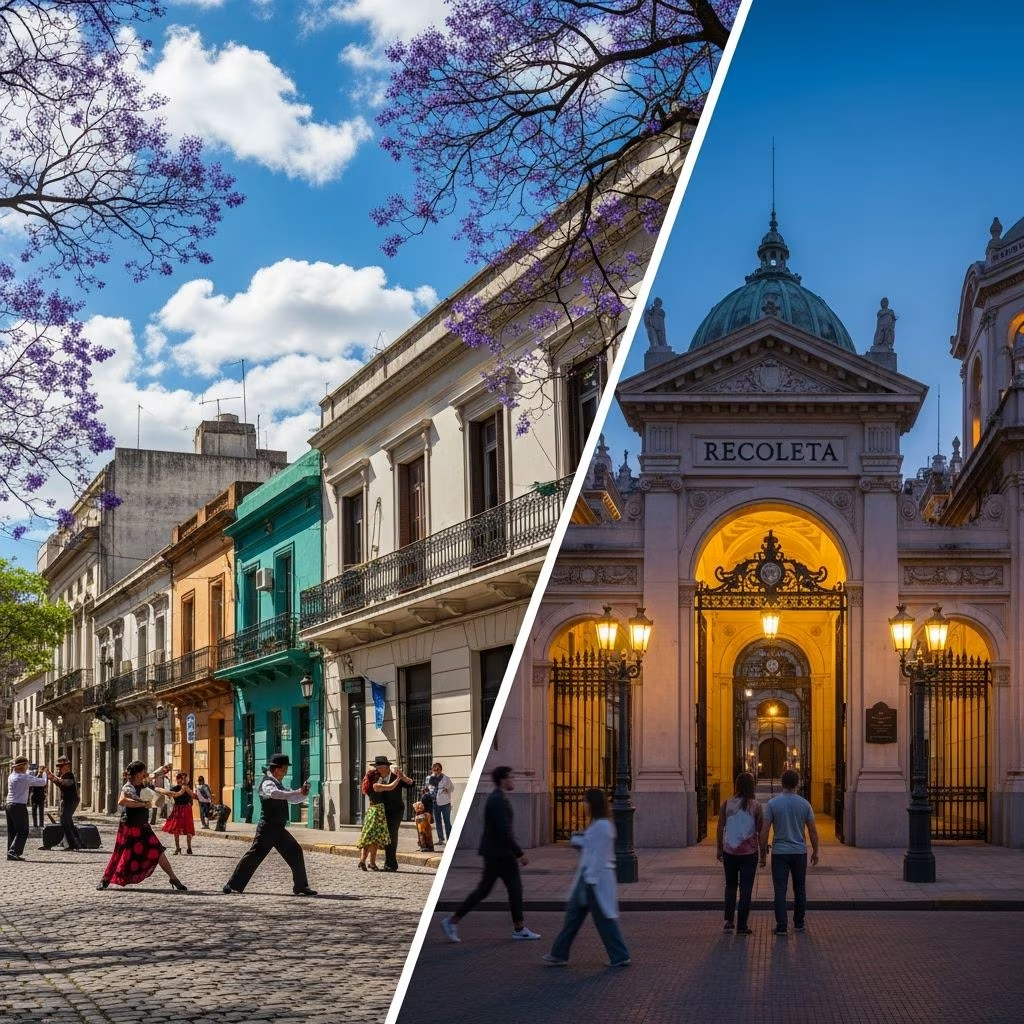
September through November transforms Buenos Aires into a floral paradise with jacaranda trees painting streets purple and warmer days encouraging strolls along the Río de la Plata. Temperatures climb steadily from 14°C to 24°C, minimizing rain risks while maximizing daylight for sightseeing. This shoulder season avoids summer swelter and winter chill, perfect for neighborhood hopping in Palermo or San Telmo without peak-season lines.
Travelers enjoy cost savings on flights and stays, as international visitors from the Northern Hemisphere arrive later. Hiking in nearby areas becomes viable, blending urban vibes with nature escapes.
December to February marks high season, with sultry heat peaking at 32°C (90°F) in February, the warmest and often rainiest month. Humidity amplifies the swelter, but lively street tango, beach outings along the river, and extended evenings fuel the energy. Christmas and New Year’s draw domestic crowds, closing schools and filling neighborhoods.
Despite challenges, summer suits sun-lovers: outdoor parrillas (barbecues), waterfront escapes to Tigre Delta, and cultural events thrive. Book ahead for popular spots like Teatro Colón, as occupancy surges.
March to May delivers postcard weather at around 22°C, with falling leaves and reduced humidity. Hotel rates drop significantly in April-May, appealing to budget-conscious explorers. Fewer tourists mean serene visits to Recoleta Cemetery or La Boca’s colorful streets.
This period aligns with fewer rains, enhancing photography and unhurried café sessions sipping mate.
June to August brings Buenos Aires’ winter, rarely below 7°C, with sunny, dry spells ideal for cultural deep dives. Snow is a once-in-a-century event, but crisp air invigorates visits to grand theaters like El Ateneo. Tango festivals heat up indoor venues, and discounts abound on accommodations.
Low crowds facilitate intimate experiences: opera at Teatro Colón or literary pursuits in historic bookstores. Pair with day trips to pampas for horseback riding under clear skies.
Buenos Aires pulses with festivals tied to seasons, amplifying appeal.
These draw crowds, so align trips accordingly—summer events for extroverts, winter for authenticity.
| Month | Weather Summary | Pros | Cons | Best For |
|---|---|---|---|---|
| January | Hot, humid, rainy spells | Festivals, beaches | Crowds, heat | Party-goers |
| February | Peak heat 32°C, storms | Carnival, outdoors | Stifling, busy | Sunseekers |
| March | Mild 22°C, drier | Low costs, walks | Shorter days | Sightseers |
| April | Cooler, pleasant | Discounts, calm | Occasional rain | Budget travelers |
| May | Mild fall, low crowds | Events, nature | Cooling temps | Culture fans |
| June | Winter 16°C, dry | Tango, savings | Cool evenings | Indoor pursuits |
| July | Cool, sunny spells | Festivals, quiet | Chilly nights | Tango lovers |
| August | Mild winter end | Low rates, clear | Windy | Explorers |
| September | Spring warm-up | Blooms, hikes | Variable rain | Nature walks |
| October | Ideal 24°C | Flowers, events | Rising crowds | All-around |
| November | Warm, long days | Jazz, outdoors | Pre-holiday buzz | Families |
| December | Hot start, festive | Holidays, tango | Crowds building | Celebrators |
Tailor your wardrobe to seasons: light linens and sunscreen for summer, layers and rain gear for transitional months, warm jackets for winter. Comfortable walking shoes are perennial, given the city’s vast avenues. Download offline maps for subte (metro) navigation, as Line D links key tourist zones efficiently.
Budget tip: Shoulder seasons yield 20-30% savings on stays; monitor pesos for deals.
April to August offers the lowest rates due to off-peak demand, with winter providing additional discounts on attractions.
Snowfall is extremely rare, occurring roughly once per century; winters are mild and mostly dry.
It can be challenging with highs over 30°C and humidity, but early mornings and evenings suit outdoor plans, with AC indoors.
October or March for comfortable weather, moderate crowds, and full event access.
While BA is urban-humid, Patagonia summers (Dec-Feb) are drier and cooler, ideal for combined trips in spring/summer.
No single “best” time fits all—spring and fall win for balance, summer for vibrancy, winter for value. Factor personal preferences, events, and budgets for a tailored adventure in this tango-infused metropolis.
