

 Travel Essentials
 Travel Essentials

Unlock the ideal periods to visit Canada's diverse regions, balancing weather, crowds, and unique experiences like wildlife viewing and festivals.
 Travel Essentials
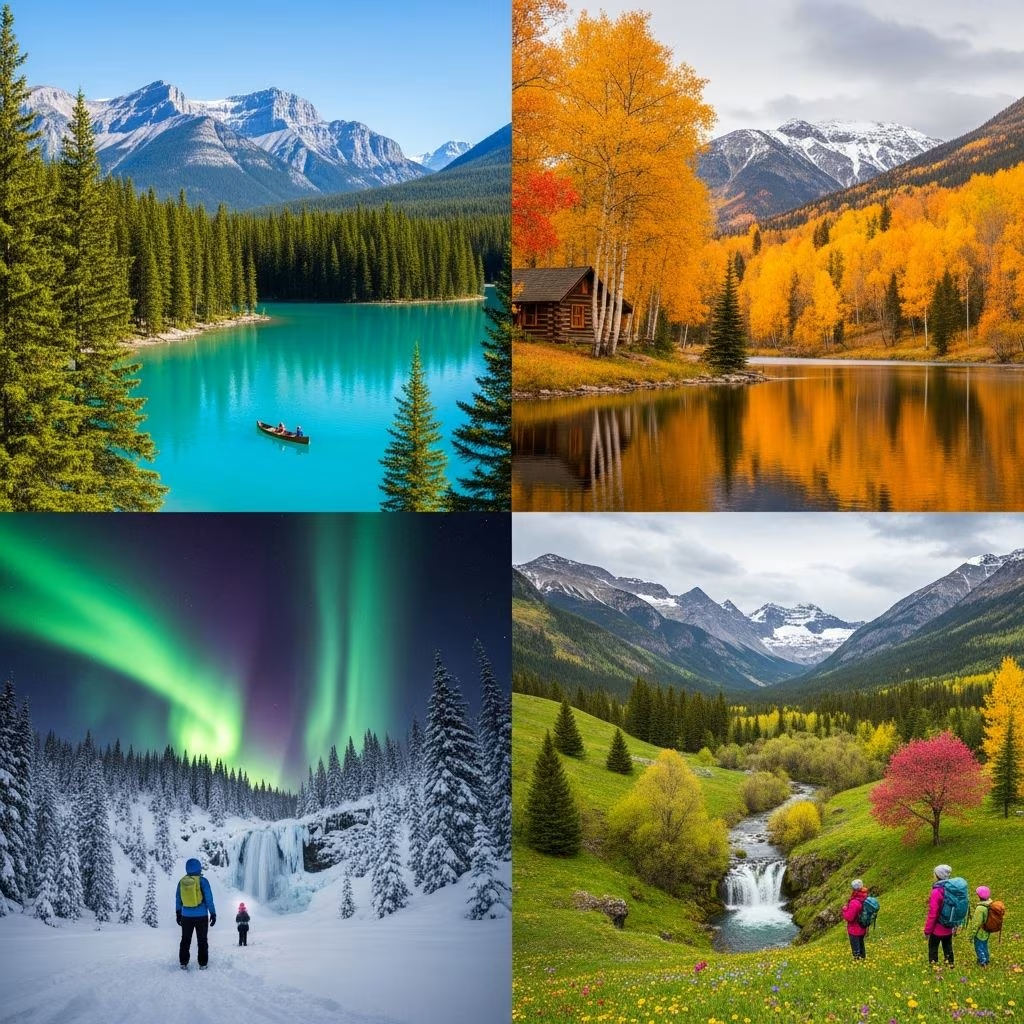
Canada’s vast landscapes and varied climates mean timing your visit can transform your experience. From sun-soaked summers ideal for hiking and festivals to crisp autumns bursting with color and snowy winters perfect for skiing, each season offers distinct advantages. This guide breaks down the prime periods by region and activity, helping you choose based on weather patterns, crowd levels, and natural spectacles.
Spanning multiple time zones and terrains, Canada experiences pronounced seasons. Coastal areas like British Columbia enjoy milder winters, while the prairies and Rockies see extremes. Inland regions warm up significantly in summer, and the north delivers midnight sun or polar nights. Shoulder months like May and September often provide the best value with pleasant conditions and fewer tourists.
Temperatures fluctuate widely: Vancouver averages 10-22°C (50-72°F) in summer, while Winnipeg hits 28°C (82°F) but plunges to -15°C (5°F) in winter. Precipitation peaks in coastal zones year-round, with snow dominating inland winters. Planning around these helps maximize enjoyment.
As snow recedes, spring brings renewal. April offers mild starts, especially on coasts, with average highs of 10-15°C (50-59°F). It’s ideal for avoiding crowds while spotting early wildlife like bears emerging from hibernation.
May warms to 15-20°C (59-68°F) in the south, with blooming wildflowers and longer days. Cities like Toronto feel spring-like, perfect for urban exploration before summer rush. Shoulder season rates make it budget-friendly.
Summer reigns supreme for most visitors, with June-August delivering long days (up to 18 hours of light) and temperatures of 20-30°C (68-86°F). Everything opens: trails, ferries, and festivals.
June stands out as pre-peak, with thawed lakes for paddling and active wildlife. Northern areas like Yukon reveal glaciers under midnight sun. July-August intensifies with events like Calgary Stampede’s rodeos. Rockies parks buzz, but book early. August cools slightly, kicking off salmon runs attracting bears.
| Month | Avg. Temp (°C) | Key Activities | Crowd Level |
|---|---|---|---|
| June | 18-25 | Hiking, whale watching | Medium |
| July | 22-28 | Festivals, beach days | High |
| August | 20-26 | Salmon runs, camping | High |
Eastern beaches warm up, while BC’s coast suits kayaking despite rain. Families thrive here with kid-friendly tours.
Fall shoulder season shines with foliage peaks in early September-October. Quebec and Ontario explode in reds and golds, ideal for scenic drives. Temperatures hover at 10-20°C (50-68°F), with crisp air enhancing hikes.
November extends options with road trips and northern lights hints, plus hot springs soaks. Harvest festivals celebrate local cuisine.
Winter transforms Canada into a snowy playground, especially December-March for reliable snowpack. Temps drop to -10 to -20°C (14 to -4°F), but urban areas stay milder.
Prime for skiing in Whistler or Banff, ice festivals, and aurora hunting in Yukon. Churchill’s polar bears peak October-November, dipping to -30°C (-22°F). December-March suits snowshoeing and dog-sledding.
Arctic visits shine February-November for wildlife. Off-peak savings abound outside holidays.
BC and Alberta favor June-September for dry trails and wildlife. Winters excel for powder hounds.
Ontario and Manitoba peak summer; fall foliage stuns. Winters bring cross-country skiing.
May-October for mild coasts and icebergs; whale season aligns with summer.
Midnight sun June-July; auroras September-March.
Layer for variability: waterproof gear for coasts, thermals for cold snaps. Check park reservations early for peaks. Monitor weather apps for regional forecasts.
April-May or October-November offer lower rates and fewer crowds.
Yes, peak July-August sees high demand; book 6-9 months ahead.
Best September-March in dark-sky north.
June balances warmth and low crowds.
Yes, with preparation; roads are maintained, attractions ready.
