

 Travel Essentials
 Travel Essentials

Explore Charleston's best visiting seasons with weather insights, crowd levels, and activity recommendations for spring, summer, fall, and winter travel.
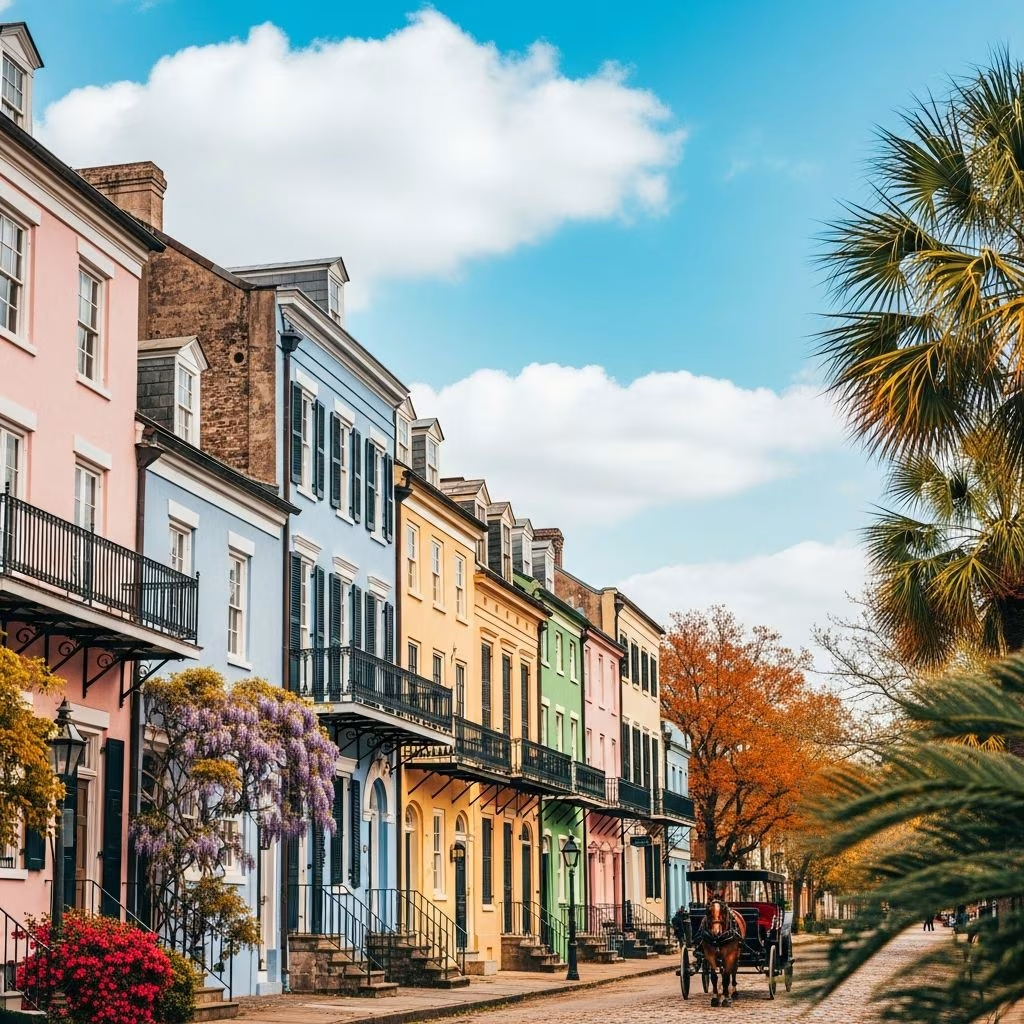 Travel Essentials
Charleston, South Carolina stands as one of America’s most captivating destinations, renowned for its historic architecture, coastal beauty, and Southern hospitality. Yet the experience of visiting this beloved city varies dramatically depending on when you arrive. Understanding the seasonal rhythms of Charleston allows travelers to align their visit with their priorities—whether seeking perfect weather, avoiding crowds, maximizing budget savings, or participating in signature local events.
The Holy City experiences four distinct seasons, each bringing its own character and challenges. Winter temperatures typically hover in the high 40s, while summer can climb into the low 90s. This range creates opportunities for different types of travelers, but also requires careful planning. The city’s maritime location means humidity levels fluctuate significantly throughout the year, directly affecting how pleasant outdoor exploration feels.
Hurricane season, which peaks between August and October, represents an important consideration for summer and early fall visitors. While direct impacts remain relatively rare, the threat of tropical weather can influence both travel plans and pricing during this window.
March through May represent peak tourism season in Charleston, and for excellent reason. During these months, temperatures settle into the ideal range of 60 to 80 degrees Fahrenheit, creating perfect conditions for nearly any activity. The city transforms as gardens burst into vibrant color, historic squares fill with flowering trees, and outdoor venues prepare for their busiest period.
April and May stand out as particularly exceptional months. Average highs reach the mid-70s, providing warmth without the suffocating heat that arrives in midsummer. The spring season accommodates numerous local festivals and events, with the Charleston Wine and Food Festival drawing enthusiasts alongside spring break travelers and Easter holiday visitors.
Spring does come with drawbacks. Hotel rates reach their highest levels of the year, and restaurants popular with tourists require advance reservations. Crowds at major attractions can feel overwhelming, particularly during weekends. However, booking accommodations early and planning dining reservations in advance substantially mitigates these challenges.
June through August bring Charleston’s most challenging weather conditions, with temperatures regularly climbing to the upper 80s and low 90s, accompanied by elevated humidity levels. August typically sees the most rainfall, potentially disrupting outdoor plans. The intense heat and humidity discourage walking tours and outdoor exploration for many visitors.
Despite these challenges, June emerges as a viable summer option for families whose schedules demand warm-season travel. Early summer heat remains manageable compared to July and August, and beach days in June reach near-perfect conditions. The beaches themselves become genuinely appealing destinations, with comfortable water temperatures enabling swimming and water activities that prove less inviting earlier in the year.
If summer travel aligns with your schedule, focus on beach-based activities rather than historic district exploration. Visiting barrier islands like Sullivan’s Island during early morning hours before heat peaks helps maximize comfort. Evening dining on the waterfront, rooftop cocktails, and air-conditioned museum visits provide alternatives to daytime heat exposure.
October and November represent a sweet spot that many experienced Charleston visitors consider superior to spring. As summer’s oppressive heat and humidity fade, temperatures settle into the comfortable 60s to 80s range, providing excellent conditions across all outdoor activities. Hurricane season threats diminish as autumn progresses, reducing weather-related uncertainties.
October particularly shines, with highs around 75 degrees and plenty of beach-appropriate days. The season provides 10 to 13 hours of daylight, offering substantial time for both daytime activities and evening exploration. Early October does retain some summer warmth, so mid-October onward delivers the most consistently pleasant conditions.
Fall tourism increases notably compared to summer, but crowds remain manageable relative to spring peaks. Hotel rates often reflect this balance—higher than winter but substantially lower than spring’s premium pricing. This combination of excellent weather, moderate crowds, and reasonable costs makes fall particularly attractive for budget-conscious travelers seeking quality experiences.
December through February brings Charleston’s quietest period, with dramatically fewer tourists and correspondingly lower hotel rates. Temperatures remain mild, typically in the high 40s, allowing outdoor exploration without excessive bundling. Winter weather rarely disrupts travel plans, and rainfall remains minimal compared to other seasons.
A notable exception occurs around Valentine’s Day, when Charleston’s reputation as one of America’s most romantic cities drives a temporary tourism spike. Couples seeking romantic getaways inflate crowds and room rates during this brief window, though conditions return to quiet normalcy immediately afterward.
Budget-focused travelers discover significant savings during winter months, with both hotels and attractions offering reduced rates. Restaurants accommodate walk-in diners more readily, and historic sites experience manageable crowd levels. For those seeking to explore Charleston’s history and architecture without contending with tourist throngs, winter provides an authentic perspective on daily city life.
March through May and October through November consistently deliver comfortable temperatures, moderate rainfall, and humidity levels that remain manageable. These windows represent optimal periods for activities dependent on pleasant weather—garden tours, historic walking expeditions, carriage rides, and outdoor dining all shine during these months.
Travelers prioritizing solitude and shorter attraction lines should target January and February, when winter weather discourages tourism. Additionally, visiting midweek—Tuesday through Thursday—substantially reduces crowds regardless of season. This strategy works particularly well in spring and fall when even off-peak days see reasonable visitor numbers.
December through February and June through August represent the most economical periods for accommodations and dining. While summer brings heat challenges, early June proves manageable, and winter’s mild weather makes budget travel genuinely enjoyable. This approach requires flexibility but yields significant savings for cost-conscious explorers.
The Charleston Wine and Food Festival occurs in March, attracting culinary enthusiasts to spring travel. Spoleto Festival U.S.A. spans May and June, offering performances and cultural events throughout late spring. These anchoring events influence both tourism patterns and accommodation availability, meriting consideration in planning timelines.
Mid-summer—July and August—presents the most challenging conditions for most visitors. Heat and humidity reach their peaks, rainfall increases substantially, and the combination discourages outdoor exploration. However, this perspective depends on personal heat tolerance and activity preferences; beach enthusiasts may find these months appealing despite temperature challenges.
Yes, visiting during hurricane season (August-October) remains safe for most travelers, as direct hurricane impacts remain relatively rare in Charleston. However, understanding the season’s risks helps travelers prepare mentally and plan flexibility into their itineraries in case tropical weather develops.
January and February attract the fewest visitors, offering genuine solitude at major attractions. Additionally, weekday visits during any season substantially reduce crowds compared to weekends, providing an accessible strategy even when peak-season travel is necessary.
Spring’s exceptional weather and iconic blooming gardens justify higher prices for many travelers, particularly those visiting Charleston for the first time. However, fall offers nearly identical weather conditions at lower price points, making it a superior value for budget-conscious visitors with scheduling flexibility.
Selecting Charleston’s ideal visiting season ultimately depends on balancing personal preferences against practical constraints. Weather enthusiasts and first-time visitors often gravitate toward spring, accepting premium prices for iconic conditions and experiences. Fall appeals to those seeking similar weather with fewer crowds and lower costs. Summer suits beach-focused travelers and families constrained by school calendars. Winter attracts budget travelers and those seeking authentic local experiences away from tourism intensity.
Charleston welcomes visitors year-round, each season revealing different facets of this multifaceted destination. By understanding what each period offers—and demands—travelers can craft visits aligned with their unique priorities and preferences, ensuring memorable Charleston experiences regardless of chosen timing.
