

 Travel Essentials
 Travel Essentials

Navigate Chile's varied climates across regions. Learn when to visit Patagonia, wine country, deserts, and cities for optimal weather and experiences.
 Travel Essentials
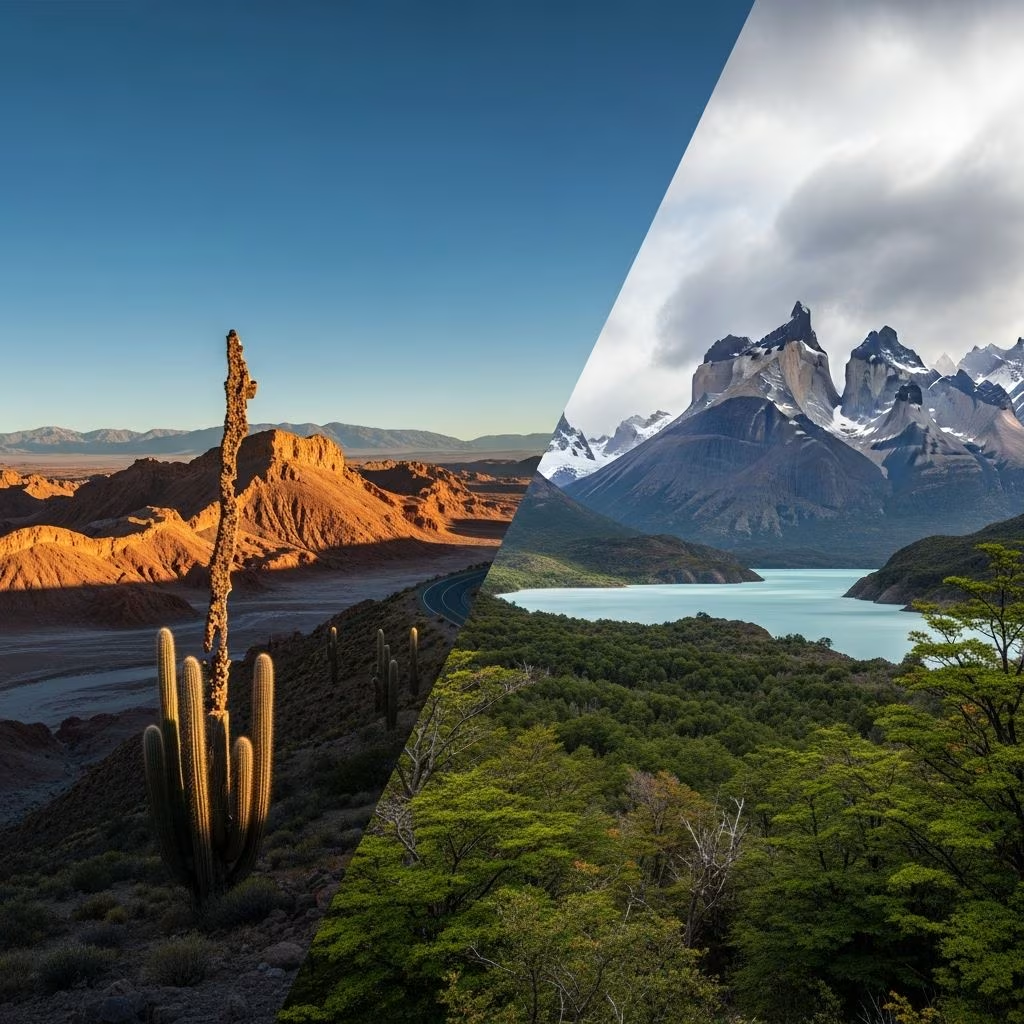
Chile presents a unique travel puzzle for visitors planning their itinerary. Stretching over 4,300 kilometers from north to south, this South American nation encompasses dramatically different climate zones and landscapes. Rather than thinking of Chile as a single destination with one optimal visiting period, travelers should consider their specific interests and target regions when determining when to book their adventure.
The country’s elongated geography creates seven distinct climate zones, each with its own weather patterns, seasonal attractions, and peak visitation periods. Understanding these regional variations allows visitors to maximize their experience while managing expectations about crowds and costs. This guide breaks down the best times to visit different parts of Chile, helping travelers align their journey with their priorities.
Before exploring regional recommendations, it’s important to recognize that Chile operates on a Southern Hemisphere calendar. When North American and European travelers experience winter, Chile enjoys summer conditions. This reversal means that Christmas and New Year celebrations occur during the region’s peak summer season, not winter.
The country experiences four distinct seasons with reversed timing compared to the Northern Hemisphere:
This seasonal framework helps frame travel discussions and helps Northern Hemisphere travelers adjust their expectations about climate conditions during different months.
Patagonia represents one of Chile’s most iconic destinations, attracting trekkers, nature photographers, and adventure seekers from around the world. The region’s dramatic peaks, pristine lakes, and glacier-fed rivers create spectacular scenery, but weather conditions vary dramatically by season.
Peak Adventure Season: December to February
December through February represents Patagonia’s summer months and offers the most favorable conditions for outdoor pursuits. During these months, visitors experience the warmest temperatures, longest daylight hours, and most stable weather patterns. This period proves ideal for hiking renowned trails like those in Torres del Paine National Park and for glacier cruising expeditions.
However, this extended daylight and pleasant weather comes with a tradeoff: peak season crowds and premium pricing. Popular accommodations book months in advance, and visitors should expect higher costs for lodging, guides, and activities. January consistently ranks as the busiest month throughout Patagonia.
Shoulder Season Advantages: September to November and March
Travelers seeking to balance good weather with fewer crowds should consider visiting Patagonia during its shoulder seasons. September, October, and November offer spring conditions with moderate temperatures and abundant wildlife viewing opportunities. March provides autumn conditions with changing colors and wildlife activity, particularly in Torres del Paine where puma sightings become more frequent.
These shoulder months provide several advantages: accommodation prices remain more reasonable than peak season, trails experience lighter traffic, and the quality of the hiking and photography experience remains excellent. While November represents the beginning of Patagonia’s summer and offers particularly good conditions with lower crowds than December-January, March similarly provides warm weather without the January rush.
Winter Challenges
June through August brings Patagonia’s winter season, characterized by extreme weather challenges. Wind speeds can exceed 120 kilometers per hour, and nighttime temperatures frequently drop below freezing. Most hiking trails close during winter months, and many accommodations reduce operations. This period suits only the most experienced and well-equipped adventurers prepared for severe conditions.
Chile’s central regions, encompassing Santiago, the surrounding wine valleys, and the coastal areas, offer year-round visitation possibilities but have particularly appealing periods.
Spring Exploration: September to November
Spring brings mild temperatures to central Chile, making September through November ideal for exploring Santiago’s neighborhoods, enjoying long lunches on outdoor patios, and touring nearby wine estates. The region experiences pleasant weather without the intensity of summer heat or the peak-season tourist crowds.
Harvest and Autumn Colors: March to May
Wine enthusiasts should prioritize visiting between March and May, particularly March and April. This period coincides with grape harvest season in Chile’s wine regions, when vineyard activities intensify and many producers host harvest festivals. Beyond the wine-focused attractions, autumn arrives with blazing fall foliage colors throughout the southern wine country, creating photogenic landscapes. April specifically offers appealing conditions with lower visitor numbers and striking seasonal colors.
Summer in the Central Regions
December through February brings hot summer weather to central Chile. While warm temperatures and clear skies appeal to beach visitors and festival-goers, the central regions experience less drama than Patagonia during this period. Santiago and Valparaiso remain appealing year-round destinations, though summer brings higher costs and more tourists.
Winter Snow Sports
From June through August, the Andes Mountains surrounding Santiago become the focus for winter sports enthusiasts. Ski resorts like Valle Nevado and Portillo operate during the Southern Hemisphere winter, attracting snowboarders and skiers. While most other regional attractions experience reduced operations, the snow-covered peaks create their own appeal.
Located in northern Chile, the Atacama Desert ranks among the world’s driest places and functions as a year-round destination. Unlike other regions, the Atacama’s extreme aridity means weather rarely disrupts travel plans.
Spring Desert Blooms
September and October transform the Atacama through an extraordinary natural phenomenon: desert wildflower blooms. Following rare rainfall, vast expanses of desert landscape burst into color with wildflowers. Many travelers specifically plan their Atacama visits around this seasonal spectacle, as the blooming flowers create unusual photo opportunities and transform the seemingly barren landscape.
Year-Round Stargazing and Exploration
The Atacama’s extreme dryness and minimal light pollution create ideal conditions for stargazing. December through February offers longer nights and clearer skies, making this period particularly appealing for astronomical observations. However, visitors can enjoy stellar viewing during any season, and the region’s other attractions—salt flats, geysers, and ancient archaeological sites—remain accessible throughout the year.
Easter Island, located far into the Pacific Ocean, maintains tropical conditions year-round and can be visited during any season. However, March generally offers particularly favorable weather conditions for island exploration
The island’s remote location means that arrival requires air travel from the mainland, and accommodations should be booked well in advance regardless of season. Visitors should plan their Easter Island visit based on mainland Chile connections rather than focusing primarily on seasonal weather variations.
Chile’s Pacific coastline stretches across multiple climate zones. Northern coastal areas around Iquique and Arica offer warm, dry conditions and excellent conditions for surfing throughout the year, with spring months offering particularly appealing swells and fewer crowds.
Central coastal areas near Valparaiso and nearby beaches experience their busiest periods from late December through January when Chilean families take summer vacation. The Valparaiso Carnival during this period creates festive atmosphere alongside crowded beaches and fully booked accommodations.
| Season | Best For | Optimal Months | Crowd Level | Price Level |
|---|---|---|---|---|
| Spring | Mild weather, blooming flowers, hiking, wine tours | September-November | Moderate | Mid-range |
| Summer | Patagonia trekking, beaches, festivals, stargazing | December-February | High | Premium |
| Autumn | Harvest festivals, fall colors, wildlife viewing | March-May | Moderate | Mid-range |
| Winter | Skiing, Atacama desert clarity, solitude | June-August | Low | Economical |
January presents the most consistently favorable weather across diverse Chilean regions. Dry, warm, and sunny conditions prevail, making it suitable for exploring Patagonia, the Atacama Desert, wine regions, and the Lake District simultaneously. However, January’s peak-season status means significantly higher costs and substantial crowds at popular attractions like Torres del Paine National Park.
September through November and March through April offer the best combination of pleasant weather and reasonable pricing. These shoulder seasons attract fewer tourists, resulting in lower accommodation rates and more available reservations at premium properties. For budget travelers, these periods represent the sweet spot between cost and experience quality.
Chile offers year-round appeal, with every season providing distinct advantages. June through August brings winter conditions that limit Patagonia access but create ideal skiing conditions and deliver peaceful, crowd-free Atacama Desert experiences. Even during traditionally less-popular months, different regions maintain their specific attractions.
For December through February travel, booking should occur at least three to four months in advance, as peak-season accommodations fill rapidly. For shoulder seasons, booking one to two months ahead typically suffices. Winter season accommodations require less advance planning as fewer travelers visit during this period.
Selecting the optimal time to visit Chile requires evaluating three primary factors: your specific destinations and interests, your flexibility with crowds and costs, and your personal preferences regarding weather conditions.
If Patagonia hiking represents your priority, target November for the sweet spot of good weather with moderate crowds, or December-February for guaranteed excellent conditions despite peak crowds. For wine enthusiasts, March or April provides harvest season experiences with pleasant autumn weather. Budget travelers should strongly consider September-November or March-May periods.
Chile’s extraordinary geographic diversity means that almost any time of year proves suitable for some part of the country. Rather than seeking a single perfect time to visit, think strategically about your regional priorities, travel style preferences, and budget constraints. This approach ensures your Chile experience aligns perfectly with your expectations and delivers maximum satisfaction regardless of which season you ultimately choose.
