

 Travel Essentials
 Travel Essentials

A comprehensive guide to planning your Copenhagen trip by season, covering weather patterns, crowds, prices, and activities throughout the year.
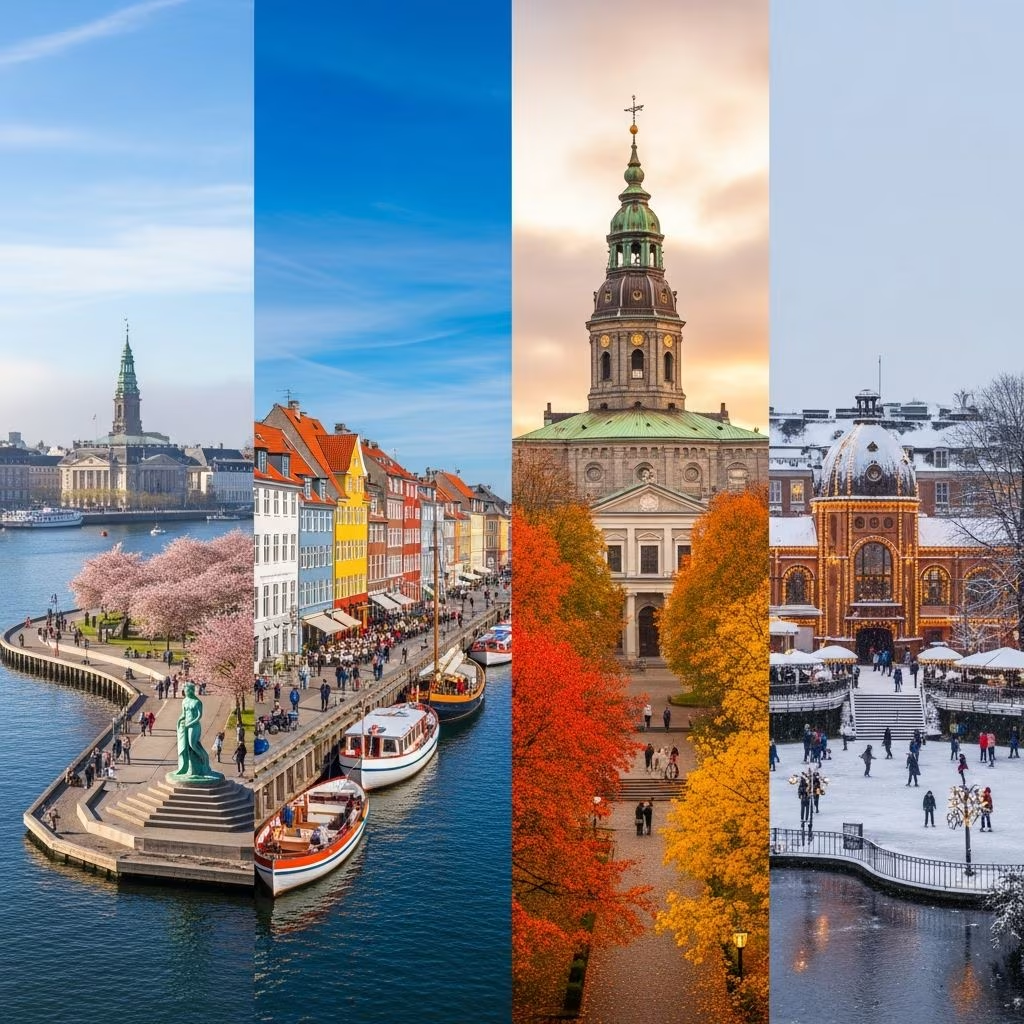 Travel Essentials
Choosing when to visit Copenhagen shapes your entire experience of Denmark’s vibrant capital. The city transforms dramatically throughout the year, offering distinct advantages depending on your priorities—whether you seek perpetual daylight and outdoor festivals, intimate cultural exploration, budget-conscious travel, or authentic local atmosphere. Understanding what each season delivers helps you craft a trip that aligns with your interests and travel style.
The months spanning June through August represent Copenhagen’s peak season, when the city’s geographic location manifests in one of its most distinctive features: nearly endless daylight. The sun remains visible well into the evening, with sunset occurring as late as 10 PM during this period. This extended illumination fundamentally alters how visitors experience the city, enabling exploration of neighborhoods, waterfront promenades, and outdoor attractions far into the evening without artificial lighting.
July emerges as the warmest month in this trio, with temperatures hovering around 18-22°C (65-72°F). While these figures might seem modest compared to continental summer heat, the climate proves ideal for Copenhagen’s outdoor-focused culture. Visitors experience comfortable conditions for cycling, Copenhagen’s predominant transportation method, and waterfront activities that define the city’s summer character. The extended daylight combined with manageable temperatures creates an environment where locals and tourists alike populate outdoor cafés, harbor beaches, and public gardens in remarkable numbers.
Sankthansaften, the Danish midsummer celebration occurring on June 23rd, exemplifies the festive energy characterizing this season. Beyond this specific observance, summer months feature numerous outdoor concerts, street festivals, and cultural events that transform public spaces into gathering hubs. Neighborhoods like Nyhavn and Amager Beach Park become social epicenters where traditional summer pleasures—from canal-side dining to swimming—align with Copenhagen’s hygge-infused lifestyle.
However, this seasonal appeal comes with trade-offs. Higher prices for accommodations and reduced availability represent the primary drawback, as tourism demand peaks during these months. Crowded attractions and longer queues at popular sites like Tivoli Gardens, Rosenborg Castle, and the National Museum become inevitable. First-time visitors prioritizing Copenhagen’s summer vibrancy should book accommodations well in advance and expect to navigate busier pedestrian areas and public transportation.
Spring (April-May) and fall (September-November) offer compelling alternatives for travelers seeking equilibrium between favorable conditions and manageable visitor numbers. These transitional periods present a fundamentally different Copenhagen experience—quieter, more intimate, and substantially more affordable than summer months.
April and May showcase Copenhagen emerging from winter’s dormancy. Temperatures gradually rise, reaching levels comfortable for extended outdoor exploration. The city develops a sense of renewal as parks flourish, outdoor dining areas reopen, and residents rediscover public spaces. Rainfall patterns during spring tend toward moderate levels compared to winter, with the weather becoming increasingly predictable as May progresses.
Spring months prove particularly excellent for Copenhagen’s cycling culture. May specifically offers ideal biking conditions, with mild temperatures, clear skies, and lengthening days supporting self-guided exploration or organized cycling tours. The lighter pedestrian traffic on Copenhagen’s famous bike lanes means a more relaxed navigation of the city’s intricate cycling infrastructure. Museums, shopping districts, and historic attractions operate without the overwhelming summer crowds, allowing deeper engagement with cultural spaces and retail establishments.
September extends summer’s lingering warmth while autumn gradually establishes itself across the city. The month maintains comfortable temperatures and sufficient daylight for daytime exploration, yet summer’s peak crowds have substantially dispersed. Similar to May, September emerges as another exceptional month for cycling, combining warm air with manageable pedestrian density and relaxed cycling lanes.
October and November present increasingly variable weather, requiring adaptation from visitors. Gray skies and intermittent rainfall become more frequent, necessitating weather-appropriate clothing and potential flexibility in activity planning. Yet for travelers comfortable with indoor cultural pursuits, fall’s atmospheric qualities offer distinctive charm. The transformation of Copenhagen’s parks, reduced accommodation costs, and access to museums without extended wait times appeal to visitors prioritizing cultural engagement over optimal weather.
December through February represents Copenhagen’s low season, when visitor numbers decline dramatically and the city embodies distinctly different characteristics than its summer counterpart. Winter temperatures range from moderate to cold, with snowfall occurring more frequently from December through early March. Precipitation increases, and daylight becomes scarce due to the city’s northern latitude.
Despite these climatic challenges, winter delivers compelling reasons for strategic visits. Accommodations reach their most affordable levels during winter months, with hotel rates dropping substantially compared to peak season. This pricing advantage extends across restaurants, attractions, and experiences, making winter an economically intelligent choice for budget-conscious travelers.
Winter transforms Copenhagen’s aesthetic and cultural landscape. The city’s architecture, canals, and public spaces assume characteristics that appeal to those seeking authentic local culture rather than tourist experiences. Museums operate without overwhelming visitor streams, enabling contemplative engagement with exhibitions. Copenhagen’s renowned design stores, galleries, and cultural institutions become more accessible for extended exploration. Fine dining establishments and cozy cafés—cornerstones of Copenhagen’s culinary reputation—provide refuges for experiencing the city’s interior warmth and hospitality.
The holiday season, particularly December, dresses Copenhagen in festive decoration, with Christmas markets, illuminated streetscapes, and seasonal entertainment creating atmospheric ambiance. Visitors embracing winter conditions discover a Copenhagen that resonates with local rhythms and aesthetic preferences rather than tourist conventions.
Understanding Copenhagen’s climate helps visitors prepare appropriately and set realistic expectations. Denmark’s geographic position produces less extreme weather patterns than other Scandinavian regions, with moderate conditions throughout the year. However, seasonal variations remain meaningful.
Summer presents the most predictable weather—mild, generally dry, and conducive to outdoor activities. August specifically averages approximately eight rainy days, with precipitation typically manifesting as quick showers rather than sustained rainfall. This climate predictability makes summer logistically advantageous for travelers planning extensive outdoor itineraries.
Spring and fall weather variability requires flexibility. May might deliver summer-like conditions or gray, rainy days requiring different activity approaches. This unpredictability appeals to some travelers seeking spontaneity, while others prefer seasonal certainty.
Winter demands appropriate clothing layering and weather adaptation. While Copenhagen doesn’t experience extreme cold, the combination of moisture, variable temperatures, and reduced daylight requires preparedness. However, for properly equipped visitors, winter remains entirely manageable and offers genuine advantages beyond mere budget considerations.
| Season | Daylight Hours | Temperature Range | Crowd Levels | Price Range | Optimal Activities |
|---|---|---|---|---|---|
| Summer (Jun-Aug) | Long (sunset ~10pm) | 18-22°C (65-72°F) | Very High | Premium | Outdoor events, water activities, cycling, parks |
| Spring (Apr-May) | Moderate-Long | 10-15°C (50-59°F) | Low-Moderate | Mid-Range | Cycling, park exploration, museums, shopping |
| Fall (Sep-Nov) | Moderate-Decreasing | 8-15°C (46-59°F) | Low-Moderate | Mid-Range | Cultural attractions, cycling, indoor activities |
| Winter (Dec-Feb) | Very Short | -2-4°C (28-39°F) | Very Low | Budget | Museums, galleries, holiday markets, cafés |
August offers compelling advantages, including warm temperatures (around 22°C/72°F), extended daylight (approximately 15 hours daily), and moderate rainfall patterns. However, “best” depends on priorities. August combines summer’s festival energy with marginally lower crowds than June-July, though it remains crowded by broader seasonal standards. Travelers prioritizing optimal weather with acceptable crowds often find August highly rewarding.
Yes, particularly for travelers prioritizing budget savings, authentic local experiences, and cultural immersion. Winter’s reduced tourist presence allows engagement with Copenhagen on terms aligned with resident lifestyles rather than tourist infrastructure. Museum and gallery visits become contemplative experiences rather than crowded rushes. Holiday season ambiance (December) adds festive appeal.
May and September consistently emerge as optimal shoulder-season months. Both offer comfortable cycling conditions, moderate rainfall, pleasant temperatures, and dramatically fewer tourists than summer months. Accommodation prices remain reasonable while weather supports outdoor exploration and cultural activities.
Spring weather variability requires layering. Pack lightweight jackets, sweaters, long-sleeved shirts, and weather-appropriate outerwear. Comfortable walking shoes suitable for potentially wet conditions prove essential, along with modest rain protection. Sunscreen remains advisable despite spring’s relatively modest solar intensity.
Budget-conscious travelers should prioritize winter months (December-February) for maximum accommodation savings while accepting weather variability and reduced daylight. Active outdoor enthusiasts benefit from May-September periods, with particular emphasis on May and September for cycling-focused exploration. Cultural immersion seekers may prefer shoulder seasons for authentic neighborhood engagement without summer tourism infrastructure. First-time visitors often find June-July rewarding despite crowds, as extended daylight maximizes geographic exploration efficiency.
Copenhagen’s seasonal diversity ensures meaningful experiences across the calendar. Rather than universal recommendations, optimal visit timing reflects individual priorities, tolerance for crowds and weather variability, and specific interests within the city’s multifaceted cultural and recreational landscape.
