

 Travel Essentials
 Travel Essentials

Learn the best periods to visit Croatia for sunny beaches, hiking trails, cultural events, and serene escapes, balancing weather, crowds, and activities across seasons.
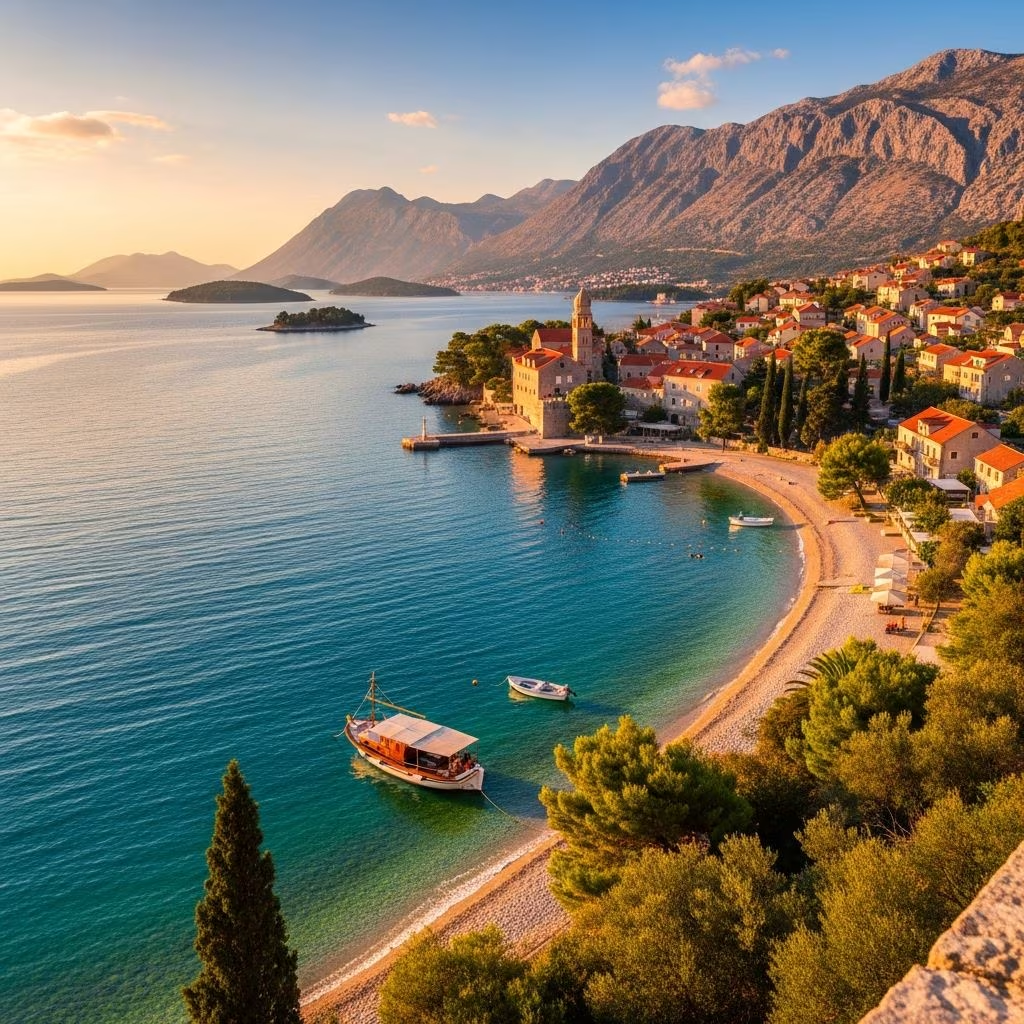 Travel Essentials
Croatia’s diverse landscapes—from its stunning Adriatic coastline to lush inland national parks—offer year-round appeal, but timing your visit can transform your experience. Peak summer delivers beach paradise with warm seas, while shoulder seasons provide mild weather and fewer tourists for hiking and cultural immersion. This guide breaks down seasonal highlights, weather patterns, crowd levels, and top activities to help you choose the right window for your adventure.
Croatia spans multiple climate types, influencing the best visit times by region. The coastal areas, including Dalmatia and Istria, enjoy a Mediterranean climate with hot, dry summers and mild, wetter winters. Inland regions like Zagreb and the national parks experience continental weather, featuring colder winters and warmer summers.
Overall, April to October suits most outdoor pursuits, with sea swims viable from May to October when waters warm to comfortable levels.
Summer is Croatia’s high season, drawing crowds for its reliable sunshine and vibrant energy. Temperatures climb to 27–32°C on the coast, with balmy evenings perfect for al fresco dining and nightlife. Sea temperatures peak at 24–25°C in August, making it prime for island-hopping and beach days.
Expect packed ferries to hotspots like Hvar, Korčula, and Vis, plus bustling towns such as Dubrovnik and Split. Festivals abound: medieval reenactments, wine harvests in Istria, and electronic music events on Zrće Beach. Yachts fill marinas, and coastal paths buzz with hikers.
| Month | Avg High (°C) | Sea Temp (°C) | Crowd Level | Top Events |
|---|---|---|---|---|
| June | 26 | 22 | Medium-High | Boat parties, early festivals |
| July | 29 | 24 | High | Ultra Europe (Split), film fests |
| August | 30 | 25 | Peak | Truffle days (Istria), regattas |
Pros include endless daylight (up to 15 hours) and warm waters for snorkeling or kayaking. Cons: Higher prices (accommodations up 50–100%), long lines at UNESCO sites like Dubrovnik’s walls, and occasional heatwaves. Book ferries and hotels months ahead.
For balanced weather without peak crowds, target late spring and early autumn. These periods offer 20–25°C days, pleasant for cycling coastal trails or exploring Plitvice Lakes National Park before summer hordes arrive. Rainfall increases slightly, but sunny spells dominate, with seas swimmable by late May (18–23°C).
May sees resorts gearing up, with tranquil bays and lower rates. September post-summer calms, ideal for Dalmatian beaches and Istrian truffle hunts. October brings crisp air for inland hikes, though some island ferries reduce schedules by month’s end.
Visitor numbers drop 50–70% from August, slashing costs and stress. Zagreb and Rijeka feel lively yet uncrowded.
Winter transforms Croatia into a quiet retreat for culture vultures and nature lovers. Coastal highs hover at 10–15°C, with occasional snow in highlands. Inland Zagreb dips to 0–5°C, but Christmas markets sparkle from late November.
Fewer than 10% of summer tourists visit, yielding deep discounts (hotels 40–60% off) and easy access to sights. Focus on cities: Rijeka’s February Carnival rivals Venice’s with parades and costumes. Inland, ski Velebit Mountains or explore snowy Plitvice.
Coastal walks remain viable on milder days, spotting migratory birds. Drawbacks: Shorter days, closed beach bars, and choppy seas limiting islands.
July–August for swimming; May/September for sailing and fewer ferry queues. Dubrovnik peaks mid-summer; visit shoulders for wall strolls sans crowds.
Truffle season (Sep–Nov); wine roads best Oct. Pula’s amphitheater hosts summer concerts.
Spring/fall for hiking (dry trails, waterfalls full); avoid summer heat. Plitvice shines with autumn foliage.
Winter markets (Dec); summer for festivals. Mild year-round but busiest July.
| Month | Coast High/Low (°C) | Inland High/Low (°C) | Rain Days | Best For |
|---|---|---|---|---|
| April | 18/10 | 16/5 | 10 | Hiking, early blooms |
| May | 22/14 | 21/9 | 8 | Cycling, parks |
| June | 26/18 | 25/13 | 6 | Beaches, sailing |
| July | 29/21 | 28/15 | 4 | Festivals, swimming |
| August | 30/22 | 29/16 | 5 | Peak beach time |
| September | 26/18 | 24/12 | 7 | Harvests, fewer crowds |
| October | 22/14 | 18/8 | 9 | National parks |
| Nov–Mar | 12/6 | 5/0 | 12+ | Cities, winter events |
Data averaged from coastal (Split) and inland (Zagreb) stations; expect regional variations.
November–March offers the lowest rates, especially midweek in cities. Shoulder ends (late Oct, early April) also budget-friendly.
Summer for beaches/kids’ activities; spring/fall for parks with milder temps. Winter suits city explorations.
May/September seas are refreshing (18–23°C); brave souls dip in April/October.
Much calmer post-August; easy access to walls and cable car.
March–May or September–October: dry paths, full waterfalls, low crowds.
