

 Travel Essentials
 Travel Essentials

Explore Dublin's best visit times: summer for vibrancy, spring and fall for value, winter for culture. Tailor your trip to weather, festivals, and savings.
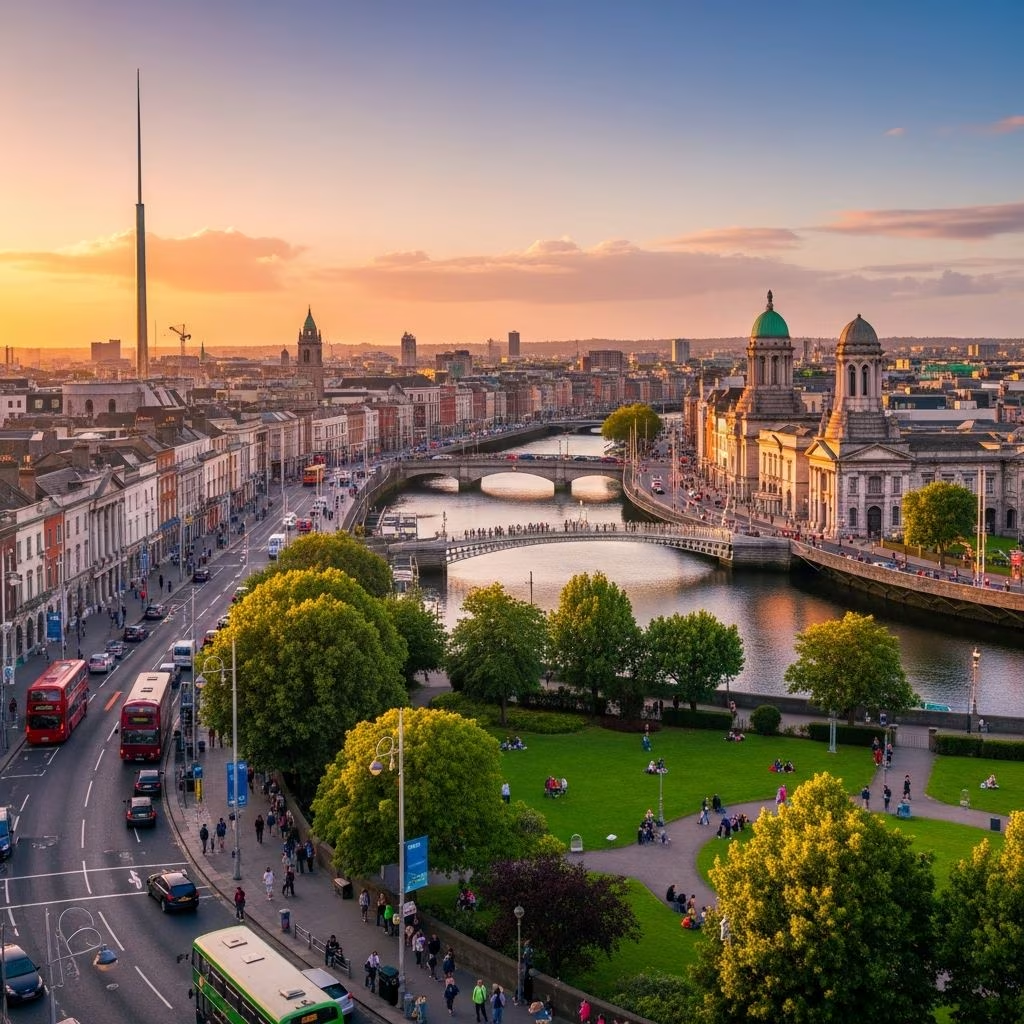 Travel Essentials
Dublin offers distinct charms year-round, with each season providing unique advantages for travelers seeking everything from sunny explorations to cozy cultural immersions. The ideal period depends on priorities like mild weather, fewer tourists, affordable stays, or festive atmospheres. Summer months from June to August deliver the longest days and warmest conditions, ideal for outdoor pursuits despite higher costs and crowds. Shoulder seasons in spring (March to May) and fall (September to October) strike a balance with pleasant temperatures, blooming landscapes or autumn hues, and reduced competition for attractions. Winter (November to February) suits budget-conscious visitors craving indoor experiences amid holiday cheer, though expect shorter days and chillier air.
Dublin’s maritime climate means mild temperatures throughout the year, influenced by the Atlantic Ocean and Gulf Stream, rarely dipping below freezing or soaring above 25°C. Rainfall is frequent but often comes in short bursts rather than prolonged downpours, so waterproof gear is essential regardless of season. Daylight varies dramatically: up to 17 hours in midsummer versus just 7-8 in midwinter, affecting sightseeing schedules. Historical data shows June-August as driest with averages of 18-22°C highs, while January-February sees 8-9°C days and more persistent dampness.
| Season | Avg High (°C) | Avg Low (°C) | Daylight Hours | Rain Days |
|---|---|---|---|---|
| Spring (Mar-May) | 11-16 | 4-9 | 11-16 | 12-15 |
| Summer (Jun-Aug) | 18-22 | 11-14 | 15-17 | 10-13 |
| Fall (Sep-Oct) | 15-18 | 9-12 | 10-13 | 13-16 |
| Winter (Nov-Feb) | 8-10 | 3-6 | 7-9 | 15-18 |
This table summarizes typical conditions, helping travelers pack layers and plan activities accordingly. Note variations: springs can surprise with sunny spells, while falls often enjoy ‘Indian summers’.
June through August transforms Dublin into a hub of energy, with highs around 20°C and sunsets after 9 PM, perfect for late-night pub crawls or riverside strolls along the Liffey. Parks like St. Stephen’s Green burst with picnickers, and beaches such as those at Howth become accessible day trips. This period coincides with major events like Longitude Festival, Pan Celtic Festival, and outdoor cinema screenings, drawing global crowds. However, hotels fill rapidly, with rates surging 50-100% over off-season; book six months ahead for central spots. Crowds peak at Trinity College and Guinness Storehouse, leading to queues, but the electric atmosphere compensates for many.
March to May ushers in greener landscapes and budding flowers, with temperatures climbing from 11°C to 16°C and lengthening days. It’s prime for St. Patrick’s Day parades in March, which flood Temple Bar with green-clad revelers, though expect massive crowds and inflated costs that week. April and May offer calmer vibes: cherry blossoms in Iveagh Gardens, fewer lines at Dublin Castle, and events like the Dublin International Film Festival or Bloomsday (June 16, but preparations start earlier). Rainfall persists, but showers are briefer, making it suitable for hikes in the Dublin Mountains. Accommodation drops 20-30% from summer peaks, and flights are cheaper post-Easter.
September and October provide some of Dublin’s most agreeable weather, with 15-18°C highs, colorful foliage in Merrion Square, and thinning tourist numbers post-summer. High season ends, slashing hotel rates by up to 40% and freeing up restaurant reservations. Late-summer warmth lingers, ideal for coastal walks to Sandycove or visits to the National Botanic Gardens. Events include the Dublin Theatre Festival, Forbidden Fruit music bash, and Halloween festivities with haunted tours. Shorter days encourage evenings in historic pubs like The Brazen Head, sampling seasonal stouts.
October edges cooler but retains vibrancy, with rugby matches at Aviva Stadium energizing the city. This duo of months suits couples or solo explorers wanting authentic Dublin without frenzy.
November to February emphasizes Dublin’s indoor riches amid 8-10°C days and frequent rain. Christmas markets light up Grafton Street from late November, offering mulled wine, crafts, and ice rinks. New Year’s fireworks over the Liffey cap festive builds, while January-February deliver rock-bottom prices—hotels under €100/night, flights halved. Free museums like the National Museum of Ireland stay open, alongside theater at the Abbey or Gate. Shorter daylight limits outdoor time, but it’s unbeatable for literary pub crawls or distillery tastings at Jameson. St. Brigid’s Day in February heralds subtle renewal.
Dublin’s calendar influences visits profoundly. Key happenings:
Align trips with passions—music lovers target summer, culture seekers fall or winter.
Peak summer sees €200+ hotel nights; shoulders €120-160; winter €80-120. Flights mirror this: summer premiums, January bargains. Crowds swell at icons like Kilmainham Gaol—book timed tickets online. Sustainable travel tip: Use Luas trams or bikes over taxis. For families, avoid school holidays (late June-mid August, mid-December). Business travelers favor fall for mild weather sans disruptions.
| Factor | Peak (Jun-Aug) | Shoulder (Mar-May, Sep-Oct) | Low (Nov-Feb) |
|---|---|---|---|
| Hotel Cost/Night | High €200+ | Medium €120-160 | Low €80-120 |
| Crowd Level | Very High | Medium | Low |
| Attraction Access | Book Ahead | Easy | Very Easy |
January and February offer the lowest rates on flights and stays, with minimal crowds outside holiday peaks.
Yes, for holiday markets, theaters, and deals—embrace the pub culture.
November, early December, and post-Easter April provide quiet streets.
No, but expect 10-18 rainy days monthly; showers are short.
May or September: mild weather, open parks, fewer lines.
Match your Dublin trip to desires—sunny festivals in summer, value and calm in shoulders, cultural depth in winter. Flexible dates yield savings; always pack for rain. Dublin rewards all seasons with its resilient spirit and endless stories.
