

 Travel Essentials
 Travel Essentials

Plan your Ecuador adventure with our comprehensive seasonal guide covering weather patterns, regional variations, and optimal travel windows for Andes, Amazon, and coast.
 Travel Essentials
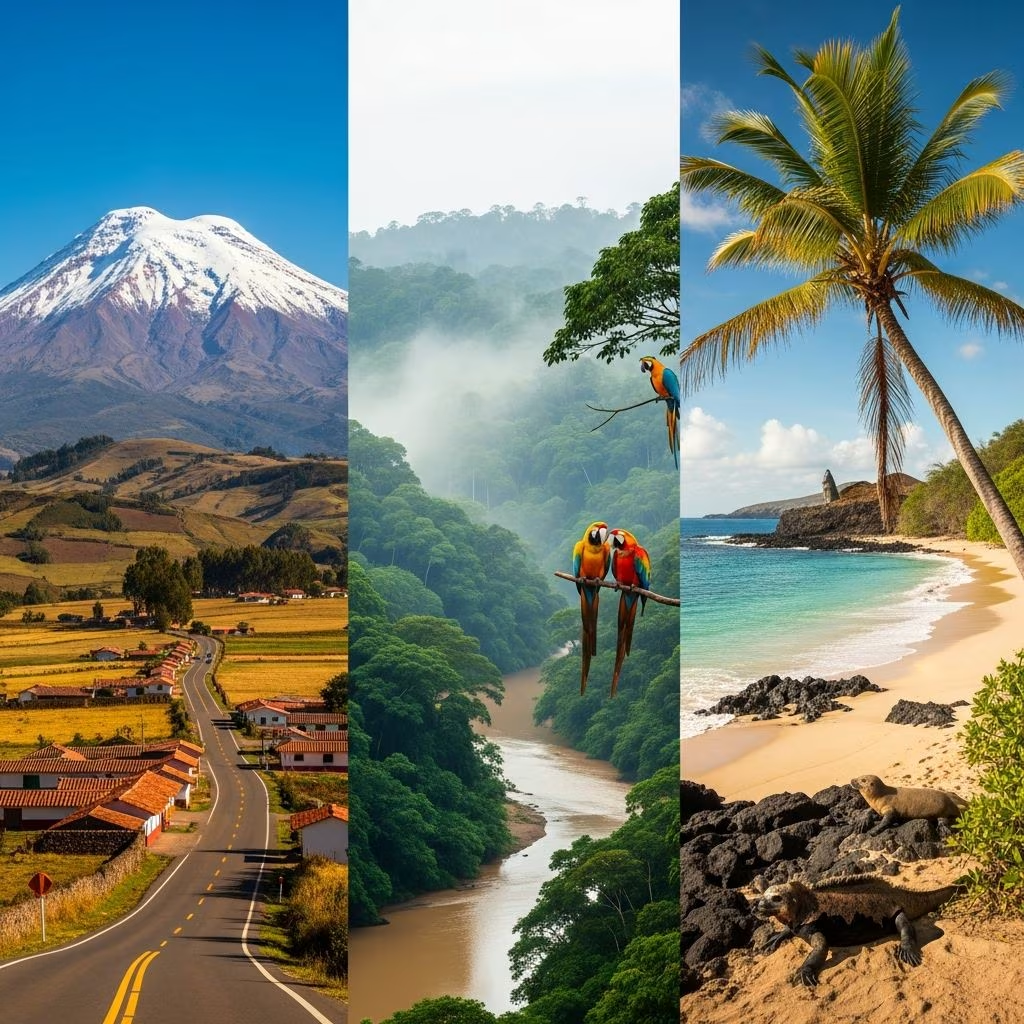
Ecuador’s geographical position straddling the equator creates a unique meteorological environment where traditional seasonal definitions based on temperature shifts become less relevant than rainfall patterns. Rather than experiencing dramatic thermal swings, Ecuador’s regions respond to wet and dry cycles that vary significantly depending on altitude and proximity to the Pacific Ocean or Amazon Basin. This complexity means that choosing when to visit Ecuador requires understanding not just a single national weather pattern, but rather how climate conditions fluctuate across distinct geographic zones. Each region—the highland Andes, the tropical Amazon rainforest, and the Pacific coastal plains—operates on its own seasonal rhythm, making Ecuador a year-round destination with multiple optimal travel windows depending on your intended activities and preferred regions.
Ecuador operates within a simplified biennial cycle of wet and dry periods, though the intensity and timing vary considerably by location. The dry season generally spans from June through September, when reduced precipitation across most regions creates more predictable weather patterns and clearer skies. The wet season stretches from October through May, bringing increased rainfall and higher humidity levels, particularly in lowland areas. However, this broad generalization masks significant regional variations that make it essential to consider your specific destination when planning an Ecuador visit. The coastal regions, Andean highlands, and Amazon basin each respond differently to these seasonal influences, creating distinct travel experiences depending on timing and location selection.
The June-through-September period represents Ecuador’s busiest travel season, attracting visitors from across the globe seeking optimal weather conditions for outdoor exploration. During these months, the highlands experience predominantly dry conditions with clear skies ideal for mountain activities, while cooler temperatures make extended hiking and trekking sessions more comfortable than during warmer periods. The reduction in rainfall creates safer conditions for outdoor pursuits and extends daylight opportunities for sightseeing and wildlife observation. However, this popularity brings corresponding increases in accommodation costs, flight prices, and crowding at major attractions. Early booking becomes advisable for travelers planning visits during this window, as popular lodges, tours, and transportation options fill quickly. Despite higher expense, many visitors find the certainty of favorable weather justifies the premium pricing during this season.
July and August represent the absolute apex of Ecuador’s tourism calendar, with weather conditions reaching their optimal for highland exploration and wildlife observation. These months offer the most stable atmospheric conditions, with consistent sunshine and minimal precipitation across the Andes region. Marine wildlife becomes more active during this period, particularly for whale watching along the coast near Puerto López, creating exceptional opportunities for cetacean observation. The cooler temperatures characteristic of these months make physical exertion in high-altitude regions more sustainable. However, accommodation scarcity and inflated pricing reach their peak during this two-month window. Travelers seeking to visit during July and August should finalize reservations months in advance to secure preferred properties and tour operators.
The September-through-November period represents a transitional phase between Ecuador’s defined dry and wet seasons, offering distinct advantages for discerning travelers. September maintains much of the dry season’s favorable conditions while beginning to see gradual reductions in peak-season crowds. October and November constitute the shoulder season, characterized by decreasing tourism volumes, lower accommodation rates, and more availability for spontaneous bookings. The Amazon region becomes particularly appealing during October and November, when rainfall decreases sufficiently to reduce flooding risks while mosquito populations remain manageable. Flight prices decline noticeably during this shoulder period, and travelers can negotiate better rates for multi-day tours and longer excursions. The transition season’s unpredictability—with occasional rain showers interspersed with sunny days—proves acceptable for most outdoor activities while delivering substantial cost savings.
October emerges as a particularly attractive option for travelers seeking reasonable weather at reduced expense. The month marks an optimal balance point where wet-season rains remain relatively light while costs have descended from their peak-season peaks. Accommodation availability increases significantly, allowing for flexible booking without months of advance planning. The Amazon Basin becomes especially appealing during October, with lower water levels making riverine wildlife spotting more productive than during heavier-rainfall months. Local festivals and cultural celebrations continue despite reduced international tourism, offering more authentic community interaction. The slightly unpredictable weather—occasional mornings with mist and afternoon drizzles—rarely prevents outdoor activities and actually creates dramatic landscape photography opportunities.
Ecuador’s mountainous interior experiences dramatically different seasonal conditions compared to coastal and lowland regions. The highlands require dry-season visitation for optimal hiking, particularly between June and September when ground conditions remain firm and visibility extends to distant peaks. Clear skies during this period reveal the full majesty of volcanic landscapes and mountain vistas obscured by clouds during rainier months. The cooler temperatures at high altitude—typically ranging from 50-70°F depending on specific elevation—make sustained hiking more comfortable than during warmer periods. November through May brings consistent cloud cover and moisture that obscures mountain views while creating challenging trekking conditions. However, rainy-season hiking remains possible with appropriate preparation, and fewer crowds during these months create solitude-seeking opportunities. Specific activities like volcano summiting require the dry season exclusively, as snow accumulation and ice conditions become hazardous during wetter months.
The tropical rainforest presents counterintuitive seasonal considerations, as the driest months—June through November—actually offer superior wildlife observation despite conventional wisdom about tropical forest visitation. Lower water levels during this drier period concentrate animal populations around accessible water sources, significantly increasing spotting frequency. The reduction in rainfall also decreases mosquito populations and reduces waterborne illness risks. March through July represents the Amazon’s heaviest rainfall period, when flooded forest conditions create navigation challenges and reduce visibility for wildlife observation. August through December provides optimal conditions for Amazon exploration, with manageable water levels and active wildlife. The shoulder months of October and November offer exceptional value, with substantially reduced tourism volumes and lower accommodation costs while maintaining good wildlife observation conditions. Year-round Amazon visitation remains feasible, but seasonal variation dramatically affects wildlife accessibility and sighting probabilities.
Ecuador’s coastal regions operate on an inverted seasonal logic compared to highland areas, with the wet season—December through May—representing the optimal travel window for beach activities. During this period, air and ocean temperatures reach their warmth peaks, with water temperatures ranging from 79-81°F requiring no wetsuits for snorkeling and diving. Rainfall typically arrives in brief afternoon downpours that clear rapidly, leaving mornings and early afternoons sunny and suitable for beach activities. Marine biodiversity peaks during this season, with nesting sea turtles, frigate birds, and returning waved albatrosses creating exceptional wildlife observation opportunities. The Galápagos Islands specifically benefit from December-through-May conditions, when calmer seas and warm water temperatures make diving and snorkeling superior to drier-season visits. While counterintuitive to mainland travelers, coastal destinations genuinely showcase their finest conditions during conventional “wet season” months. June through November brings cooler waters and less predictable conditions, though these months remain viable for coastal visits at reduced expense and with fewer crowds.
Ecuador’s rich cultural calendar provides additional motivation for targeting specific travel dates, with major celebrations occurring throughout the year. Carnival celebrations occur in February or March (exact dates vary annually with Easter timing), featuring raucous festivities and cultural performances concentrated in highland communities. Semana Santa—the week preceding Easter—brings religious processions and spiritual observances throughout Ecuador, with particularly notable Good Friday celebrations in Quito’s historic center. The Mama Negra festival in Latacunga occurs on the first Friday or Saturday of November, offering vibrant cultural immersion with traditional costumes and ceremonial performances. All Souls’ Day on November 2 transforms highland communities with family cemetery visits and traditional observances. The Lash of St. Francis (el Cordonazo de San Francisco) on October 4 celebrates northern winds with local festivities and traditions. These cultural events provide enriched travel experiences and opportunities for authentic community engagement beyond standard tourist itineraries.
| Region | Best Months | Optimal Conditions | Considerations |
|---|---|---|---|
| Highland Andes | June–September | Clear skies, cool temperatures, firm ground | Peak season pricing; November–May brings clouds and moisture |
| Amazon Rainforest | August–December | Lower water levels, active wildlife, fewer mosquitoes | October offers best budget value; March–July experiences heavy rainfall |
| Pacific Coast | December–May | Warm water, warm air, active marine life | Brief afternoon rains; June–November is cooler |
| Galápagos Islands | June–November (cooler waters); December–May (warm) | June–November: active marine life; December–May: calm seas, warm water | Year-round visitation possible; water temperatures affect wetsuit requirements |
The optimal window depends on specific interests and budget priorities. June through September offers the most predictable weather and peak wildlife activity but commands highest prices and draws largest crowds. October and November provide excellent value with acceptable weather. December through May suits coastal and Galápagos visitors prioritizing marine activities and warm temperatures.
Yes, absolutely. Wet-season visitation remains rewarding, particularly for Amazon exploration when water levels concentrate wildlife. Rainfall typically occurs in afternoon bursts, leaving mornings available for activities. Costs decrease substantially, and fewer crowds enhance authenticity. Highland areas become less predictable, requiring flexible scheduling.
November consistently offers exceptional value as the transition month between seasons. Fewer tourists mean reduced accommodation demand, lower tour pricing, and better negotiation opportunities. Weather remains generally acceptable despite occasional unpredictability, making it ideal for budget-conscious travelers.
Whale watching peaks July–August near Puerto López. Volcano hiking requires June–September conditions. Amazon wildlife spotting peaks August–December. Coastal swimming suits December–May. Galápagos diving excels both June–November (cooler waters) and December–May (warm waters), depending on species preferences.
During peak season (July–August), advance booking months ahead proves essential. Shoulder season (October–November) requires moderate advance planning. December–May coastal/Galápagos travel benefits from advance booking. Off-peak months allow spontaneous arrangements and last-minute bookings.
Ecuador’s remarkable biodiversity and geographic diversity make it genuinely rewarding across all seasons. Rather than searching for one perfect month, identify which regions and activities most appeal to your interests, then match those preferences to the respective seasonal windows. Budget-conscious travelers find compelling advantages in shoulder seasons and off-peak months, while those prioritizing weather certainty and wildlife observation justify peak-season premium costs. First-time Ecuador visitors frequently benefit from June-through-September visits when established infrastructure, widely available services, and predictable conditions minimize logistical complications. Experienced travelers often discover greater satisfaction and authentic experiences during less crowded periods when Ecuador’s communities and landscapes reveal themselves without tourism overwhelming local rhythms. Regardless of timing, Ecuador rewards visitors with remarkable natural wonders, rich cultural traditions, and unforgettable adventures throughout the calendar year.
