

 Travel Essentials
 Travel Essentials

Plan your El Salvador trip with insights on dry and wet seasons, peak periods, regional variations, and must-see events for the perfect adventure.
 Travel Essentials
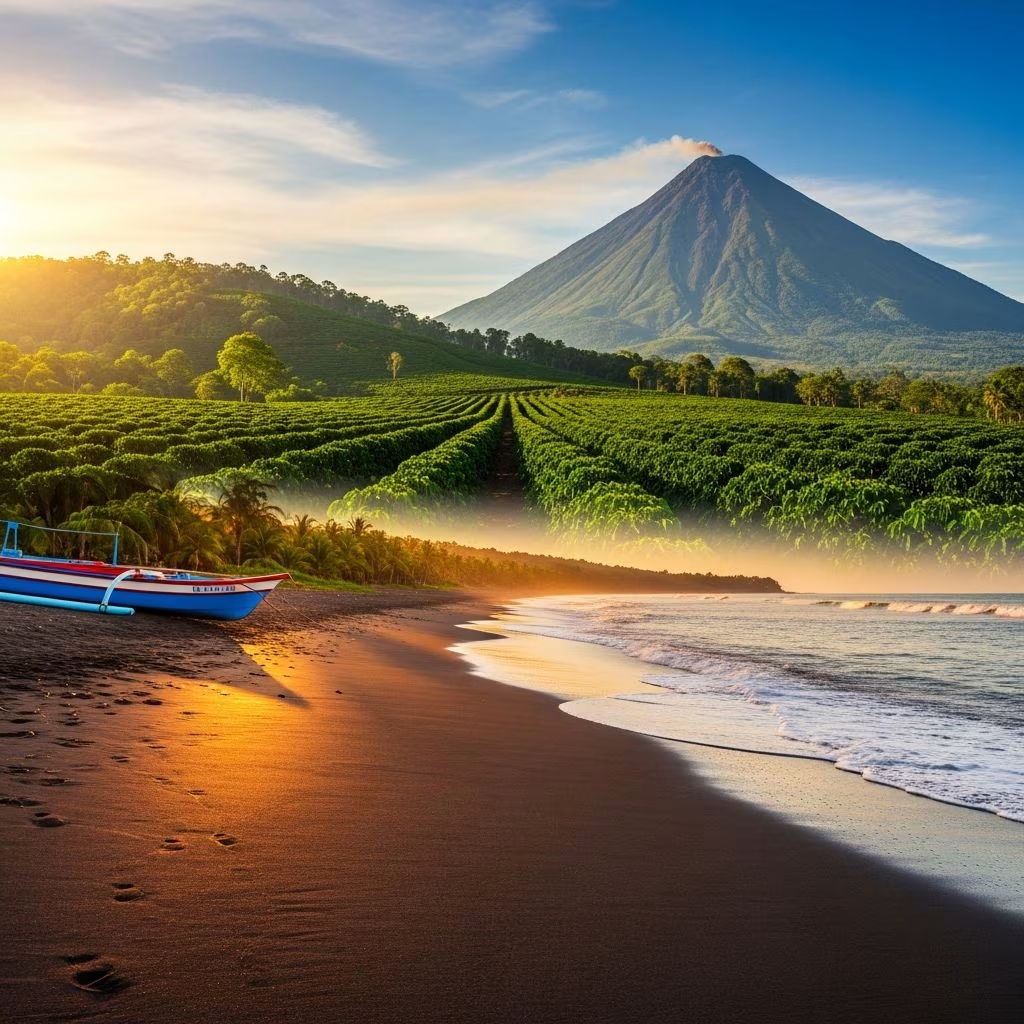
El Salvador, a compact Central American nation, offers diverse experiences from volcanic hikes to pristine beaches and vibrant cultural festivals. The prime window for most visitors spans November to April, featuring reliable sunshine, minimal rainfall, and temperatures ideal for outdoor pursuits. This period suits beach lounging, surfing, and exploring colonial towns without the interruptions of heavy rains. However, shoulder and wet seasons provide unique advantages like fewer crowds, greener scenery, and special events such as turtle nesting or fireball festivals.
El Salvador’s climate divides neatly into a dry season (November to April) and wet season (May to October), influenced by its Pacific location and tropical latitude. Coastal areas maintain highs around 30-31°C year-round, with cooler nights inland and in highlands dropping to 17-20°C. The dry phase brings clear skies perfect for surfing consistent Pacific swells, while rains transform the landscape into verdant paradises, though with risks of park closures and storms.
Each month presents distinct conditions, crowd levels, and activities. Use this breakdown to align your interests with the calendar.
| Month | Avg High (°C) | Rainfall | Best For | Crowds |
|---|---|---|---|---|
| November | 29 | Low (easing rains) | Shoulder season hikes, fewer tourists | Low |
| December | 30 | Very low | Beaches, holidays, book early | High |
| January-February | 30-31 | Minimal | Surfing, road trips, birding | Medium-High |
| March-April | 31 | Low to rising | Semana Santa beaches, heat-tolerant activities | Peak |
| May-October | 29-31 | High (peaks Sep) | Festivals, wildlife, budget travel | Low (exc. Aug) |
November: Transition from rains yields lush yet dry conditions, ideal for photographers capturing verdant volcanoes and uncrowded sites. Prices dip before peak rush.
December: Coolest, driest month with sunny days; mountains near freezing at night. Holiday influx means advance bookings essential for San Salvador or coastal spots.
January-February: Sunny, low humidity perfection for surfers at El Tunco, Ruta de las Flores drives, or Barra de Santiago mangroves. Cooler highland nights enhance comfort.
March-April: Hottest phase ends dry season; Semana Santa draws locals to beaches like El Cuco. Early rains refresh but sporadic.
May-October: Afternoons bring downpours, but mornings often clear. June-September wettest; August buzzes with festivals despite rain. Parks like Montecristo may shutter.
This high season shines for water sports and exploration. Pacific swells deliver world-class surfing from December highs of 30°C water temps. Hike Cerro Verde or Izalco Volcano under clear skies, wander Suchitoto’s cobblestone streets, or relax on black-sand beaches. Birders spot species in Golfo de Fonseca without rain delays.
Greener countrysides and waterfalls at full flow appeal to nature enthusiasts. Sea turtles nest May-September in Jiquilisco Bay; hatchlings emerge weeks later for magical sightings. Fewer visitors mean serene stays, though prepare for afternoon showers and potential road mudslides.
El Salvador pulses with events transcending seasons. August’s Fiestas Agostinas in San Salvador feature music, parades, and street food amid school holidays. Nejapa’s Fireball Festival reenacts a 17th-century eruption with flaming rag balls – a fiery spectacle. Semana Santa processions blend religious fervor with beach escapes. November’s Day of the Dead honors traditions uniquely Salvadoran.
El Salvador’s microclimates vary: coasts hover at 30°C, lowlands hot/humid, highlands (Juayúa, Ataco) cooler (20s daytime, teens nightly). Pacific beaches ideal year-round surfing; eastern zones hottest in April. Central valleys balance warmth; Montecristo cloud forest chills year-round, closing in rains.
Monitor forecasts via official sources; dry season still risks brief showers. Book peaks early; wet season offers deals but check park statuses.
Yes, with precautions like avoiding night travel and sticking to tourist areas. Wet season reduces crowds, enhancing safety perceptions.[General consensus from travel guides]
Absolutely; dry season offers cleanest conditions, wet brings bigger waves for experts.
May-June or October: Lower rates, lush scenery minus peak rains.
Check CDC/WHO: Routine plus hepatitis A/B, typhoid; malaria rare on coasts.[Official health guidelines]
Dry season best for visibility/safety; wet limits access but boosts waterfall views.
Tailor by goals: Beach bums pick Dec-Feb; adventurers Nov/March; festival fans August; eco-travelers May/Oct. Combine dry for coasts, wet for interiors. Sustainable tips: Support local co-ops, avoid single-use plastics, respect turtle zones.
El Salvador rewards flexible planners with authentic vibes, from pupusa stalls to Maya ruins. Whether chasing swells or serenity, timing unlocks its full allure.
