

 Travel Essentials
 Travel Essentials

Unlock the best periods to visit England, from blooming springs to festive winters, balancing weather, crowds, and unique experiences across regions.
 Travel Essentials
England offers diverse experiences throughout the year, with each season providing unique advantages in weather, crowds, and attractions. The ideal time depends on your priorities, such as mild temperatures, vibrant festivals, or budget-friendly travel. Shoulder seasons like late spring and early autumn often strike the best balance, featuring comfortable conditions and fewer tourists.
England’s weather is notoriously unpredictable, influenced by its position in the Atlantic temperate zone. Expect rain year-round, but patterns shift by season and region. Northern areas like the Lake District are cooler and wetter, while the south and east enjoy milder conditions. Coastal spots face stronger winds, and the west sees more precipitation due to prevailing winds.
Plan flexibly with layers and waterproof gear, as forecasts can change rapidly.
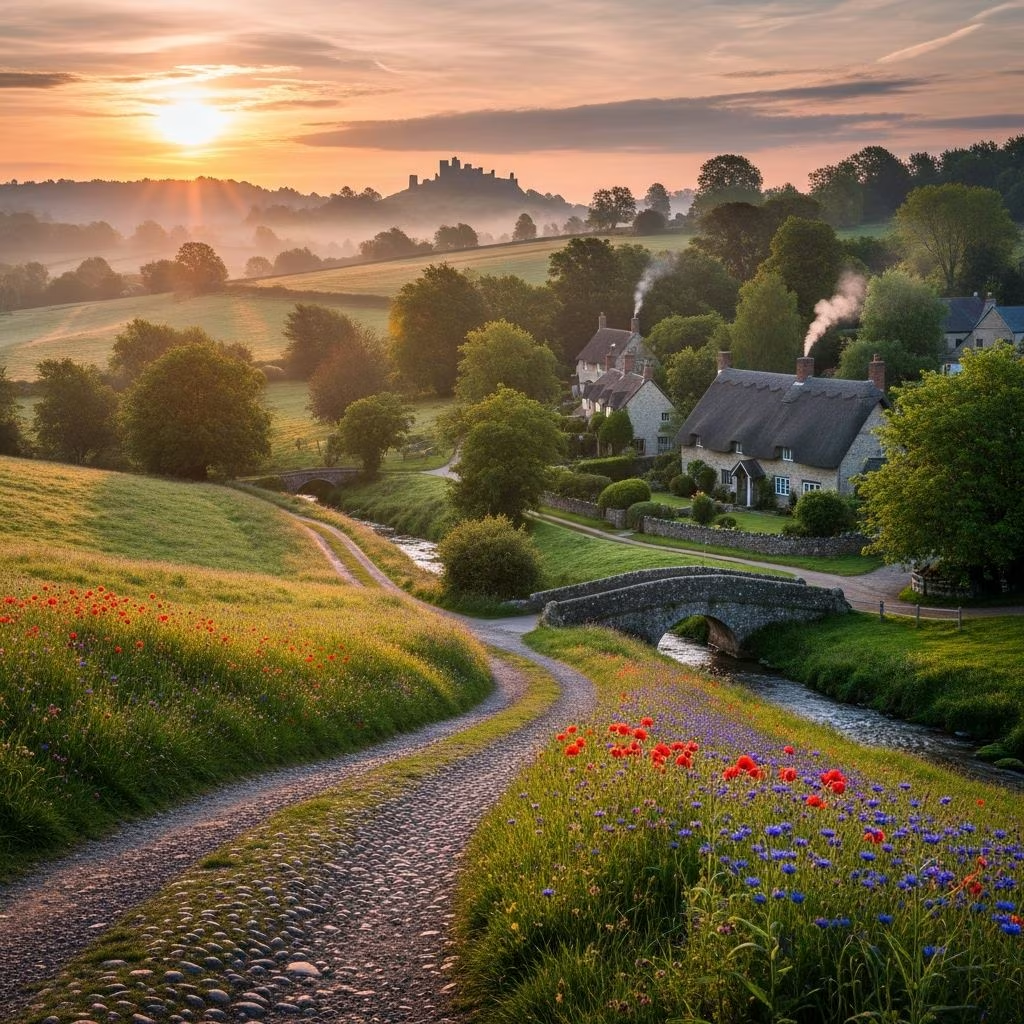
March to May ushers in renewal, with countryside blooming and temperatures rising to comfortable levels for outdoor pursuits. This shoulder season avoids summer heat while offering extended daylight for sightseeing.
| Month | Avg High (°F/°C) | Rainy Days | Highlights |
|---|---|---|---|
| March | 50/10 | 12 | Early blooms, daffodils |
| April | 55/13 | 11 | Cherry blossoms, Easter events |
| May | 62/17 | 10 | Flower shows, mild hikes |
Ideal for garden lovers visiting Kew Gardens or Cornwall’s estates, where colors explode without peak-season lines. Domestic schools are in session, reducing crowds at landmarks like Stonehenge or Tower of London. Hiking in the Cotswolds or Peak District thrives with pleasant warmth and fewer interruptions.
June to August delivers the warmest weather and longest days, perfect for festivals and beach outings, though rain remains likely. This high season buzzes with energy but demands advance bookings.
For walkers, May-September shines with dry trails in national parks. Skip July-August if crowds deter you, opting for early June’s balance of sun and space. Northern England heats up nicely for Lake District rambles.
September to November paints England in amber and red, with crisp air and harvest vibes. Early autumn mirrors late spring’s appeal: warm enough for rambles, cool for pub coziness.
| Month | Avg High (°F/°C) | Rainy Days | Highlights |
|---|---|---|---|
| September | 64/18 | 10 | Foliage peaks, wine harvests |
| October | 57/14 | 13 | Halloween, cozy walks |
| November | 50/10 | 14 | Bonfire Night, early Christmas markets |
Country escapes to the Yorkshire Dales or New Forest reward with colorful trails and fewer visitors. London quiets post-summer, easing navigation. Rain increases later, but it’s prime for indoor pursuits like theater or museum deep dives.
December to February wraps England in holiday cheer and crisp chill, suiting budget travelers seeking solitude. Snow dusts highlands occasionally, transforming scenes into postcards.
Off-season perks shine: shorter lines at cathedrals or castles. Cozy pubs with roaring fires await after frosty Lake District strolls. Avoid if heat-sensitive, as many sites lack full heating.
England’s compact size belies climate diversity. Tailor visits by area:
Northern spots chill 5-10°F cooler; west doubles rain. Check Met Office forecasts for precision.
Timing around festivals elevates trips:
Book tickets early for high-demand events; shoulder timings minimize clashes.
Maximize enjoyment with smart strategies:
For families, align with UK school holidays (late July-early September, Easter, Christmas) to dodge or join crowds.
January-February offers rock-bottom prices post-holidays, with 30-50% savings on flights/hotels, though weather is chilliest.
Absolutely for festive lights, markets, and quiet heritage sites; bundle up for outdoor jaunts.
May and September tie for mild temps (60°F+), low rain, and daylight without peak heat/crowds.
About 100-150 rainy days yearly; summer’s least intrusive, but always prepare.
May-September, especially Yorkshire or national parks, with dry trails and wildflowers.
Match priorities: blooms and calm (spring), vibrancy (summer), foliage and value (autumn), holidays and savings (winter). England’s allure persists rain or shine—embrace the variability for authentic adventures.
