

 Travel Essentials
 Travel Essentials

Explore Europe during spring and fall shoulder seasons for ideal weather, fewer tourists, and authentic experiences across top destinations.
 Travel Essentials
Traveling to Europe requires strategic timing. While summer promises sunshine and long days, it also brings overwhelming crowds and inflated prices that can transform a dream vacation into a logistical challenge. The alternative lies in recognizing Europe’s transitional periods—those magical months when conditions shift from one season to another, creating ideal circumstances for exploration. These windows, typically spanning April through May and September through October, offer travelers a compelling combination of favorable weather, manageable visitor volumes, and authentic cultural experiences that peak season simply cannot deliver.
The concept of shoulder season encompasses more than just a calendar designation. It represents a fundamental shift in how destinations operate and how visitors experience them. During these months, European cities and regions maintain robust tourism infrastructure while avoiding the saturation that characterizes summer months. Hotel availability improves significantly, restaurant reservations become achievable without advance planning months ahead, and local residents continue their daily routines rather than retreating into service-mode interactions with tourists.
The timing of optimal transitional periods varies considerably across Europe’s diverse geography. Mediterranean regions experience their shoulder seasons during spring and autumn, when temperatures remain comfortable for outdoor exploration without the intense heat of July and August. Northern European destinations benefit from the extended daylight of late spring and early autumn, while central European cities reach peak attractiveness as temperatures moderate from their extremes.
Spring shoulder season, typically from late April through May, transforms European cities with renewal and vitality. This period offers distinct advantages for travelers seeking to experience destinations authentically. Temperatures ranging between 50-65°F create comfortable conditions for walking-based exploration without excessive heat or cold.
Prague stands as a particularly compelling spring destination. The city’s architectural splendor emerges dramatically as temperatures warm and daylight extends. Spring crowds remain manageable compared to summer peaks, yet the city maintains full operational capacity across museums, galleries, restaurants, and cultural venues. The combination of mild weather and moderate visitor volumes creates ideal conditions for leisurely exploration of the Old Town Square, Charles Bridge, and Prague Castle complex.
Amsterdam during late April and May offers canal-side beauty without the crush of peak summer tourism. The Dutch city’s famous cycling culture becomes genuinely accessible when pathways aren’t overwhelmed with tour groups. Spring weather permits comfortable exploration of neighborhoods like Jordaan and waterfront areas, while the famous floating flower markets showcase their seasonal displays. The city’s well-developed infrastructure supports independent exploration, and English proficiency among residents facilitates navigation for international visitors.
Budapest’s transitional spring months reveal the city’s architectural heritage and thermal culture at their most welcoming. The Danube’s banks become perfect for riverside walks, and thermal baths can be enjoyed without battling summer crowds. Cultural venues including concert halls, theaters, and museums operate at full capacity while maintaining the intimate experience characteristic of shoulder season.
The Mediterranean basin experiences extended shoulder seasons that differ markedly from northern European patterns. Spring emergence brings pleasant temperatures and manageable crowds to historically crowded destinations.
Rome during spring months transforms into an ideal exploration destination. April and May offer comfortable temperatures for navigating archaeological sites, historical monuments, and cobblestone streets without the exhausting heat of summer. The city’s festival calendar often aligns with spring, providing cultural experiences that immerse visitors in local traditions. Sacred sites, museums, and archaeological complexes remain fully operational while receiving fewer visitors than during peak season.
Lisbon and Porto in Portugal reveal themselves as particularly rewarding spring and early autumn destinations. Porto’s famous Dom Luís I Bridge can be crossed and photographed without navigating overwhelming shoulder-to-shoulder crowds. The Douro Valley’s wine regions become accessible for meaningful exploration and tastings. September specifically offers dry conditions with water temperatures warm enough for coastal swimming, while avoiding August’s peak tourism migration.
Barcelona and Granada in Spain showcase distinctive architectural traditions during temperate shoulder months. Late April through May brings ideal conditions for exploring Gaudí’s masterworks, wandering Gothic Quarter streets, and enjoying beachfront promenades. Granada’s proximity to both Mediterranean coast and Sierra Nevada mountains becomes more accessible as spring and autumn weather permits varied exploration without extreme heat.
Athens and Greek Islands beyond mainstream circuits reveal authentic character during shoulder seasons. While famous islands like Santorini and Mykonos experience peak crowding during summer, lesser-known islands maintain quieter atmospheres even during May and October. Athens itself becomes genuinely walkable during these months, with archaeological sites including the Acropolis and Ancient Agora providing context and understanding without summer’s physical exhaustion.
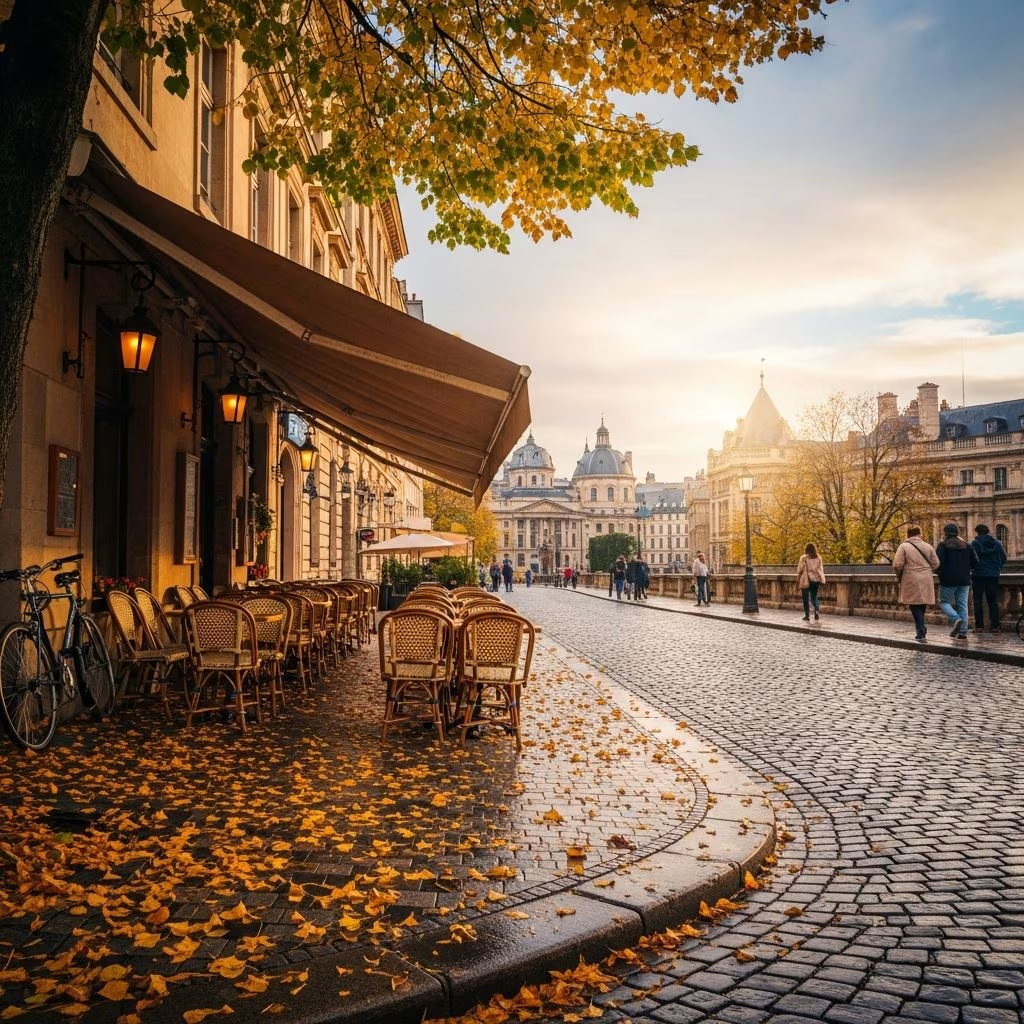
Northern European regions reach peak atmospheric conditions during autumn shoulder season. September and October bring cooled temperatures, reliably clear skies, and foliage transitions that create distinctive visual beauty.
Zurich and Swiss Alpine regions experience their most aesthetically remarkable period during early autumn. September and October offer comfortable temperatures for mountain exploration, whether via cable car ascents, hiking, or simply lakeside walks. Alpine scenery remains accessible without winter snowfall, while the city’s lakefront promenades and cultural institutions operate smoothly without summer tourism pressures.
Germany’s autumn palette showcases fall foliage across castles, forests, and river valleys. Bavarian regions reveal their architectural heritage while temperatures cool from summer extremes. Beer gardens and cultural festivals often coincide with early autumn, providing authentic social experiences without overwhelming crowds.
France’s smaller villages and wine regions become genuinely accessible during shoulder season. Rather than navigating major tourist circuits, travelers can explore Provence villages, Loire Valley châteaux, and Burgundy wine regions with meaningful interaction with local proprietors and fellow visitors. Spring brings wildflower displays and vineyard renewal, while autumn offers harvest season participation and wine festival engagement.
Specific destinations merit particular attention for their shoulder season excellence, offering combinations of geographic beauty and accessibility unavailable during other periods.
Slovenia represents an underrated shoulder season destination for travelers seeking Alpine scenery without Italian Lakes’ overwhelming tour bus presence. Lake Bled in May showcases turquoise water against mountain backdrops with roughly one-third of August’s day-trip volume. Nearby Lake Bohinj remains practically empty even during May, offering pristine nature immersion. The country’s dense forests, hiking networks, and capital city charm emerge clearly during moderate-temperature months.
The Dolomites in northern Italy reach optimal conditions during mid-June and mid-September periods. These windows provide comfortable temperatures for mountain exploration, cable car rides, and alpine village visits without summer’s extreme crowding. The region’s distinctive jagged mountain formations create dramatic landscapes throughout the transitional months.
Croatia’s Dalmatian Coast during May and late September offers Mediterranean beauty with Croatian authenticity still evident. Dubrovnik and smaller Adriatic towns remain accessible and welcoming during these periods, before summer tourism creates logistical challenges. Coastal temperatures permit swimming and water-based activities while avoiding the most intense summer heat.
Beyond weather and crowd considerations, shoulder season travel delivers substantial economic benefits that extend throughout entire trips.
These economic advantages compound throughout multi-week journeys, creating substantial savings that permit more extended travel, higher-quality accommodations, or deeper exploration of additional destinations.
Successful shoulder season travel requires understanding specific destination timing and conditions.
| Destination Region | Spring Window | Autumn Window | Key Characteristics |
|---|---|---|---|
| Mediterranean South | Late April-May | September-October | Warm temperatures, still-operating venues, manageable crowds |
| Alpine/Northern | May-Early June | September-Early October | Hiking accessible, comfortable temperatures, foliage transitions |
| Coastal Adriatic | May | Late September | Swimming conditions, fewer crowds, authentic atmosphere |
| Capital Cities | April-May | September-October | Cultural venues operational, comfortable temperatures, reduced congestion |
Weather remains generally reliable during transitional months, though variability increases compared to peak summer. Packing should accommodate temperature ranges of 50-75°F, with layering options addressing morning coolness and afternoon warmth. Rain probability remains moderate, particularly in northern regions, requiring basic weather-responsive clothing.
Shoulder season travel permits genuine cultural immersion impossible during peak tourism periods. Local residents continue authentic daily patterns rather than retreating into service roles. Markets function as genuine community gathering spaces rather than tourist attractions. Restaurants maintain regular operations with full menus and local clientele rather than simplified tourist-focused operations. Walking-based exploration reveals genuine urban and village character without navigating overwhelming visitor volumes.
This authenticity creates opportunities for meaningful interactions with local proprietors, service providers, and fellow travelers representing genuinely diverse motivations rather than mass tourism cohorts.
Shoulder season encompasses transitional periods between peak and off-peak tourism, typically April-May and September-October, combining favorable weather with manageable crowds and reduced prices.
Mediterranean cities like Rome, Lisbon, and Athens, Alpine destinations including Slovenia and the Dolomites, and northern European capitals such as Prague and Amsterdam excel during transitional months.
Flights, accommodations, and dining typically cost 20-40% less than peak summer rates, with additional savings through improved availability and standard (rather than premium) pricing structures.
Weather remains generally favorable, though more variable than peak summer. Spring brings occasional rain and cooler mornings, while autumn offers typically dry conditions with comfortable temperatures.
Mediterranean regions excel during both periods. Northern Alpine regions maximize during autumn for foliage and clear skies, while spring offers wildflower displays and vineyard renewal across wine regions.
Europe’s transitional seasons represent optimal windows for travelers seeking weather, affordability, cultural authenticity, and operational completeness impossible to achieve simultaneously during peak tourism periods. Strategic timing transforms European exploration from logistically challenging experiences into genuinely rewarding journeys. Whether seeking Alpine scenery, Mediterranean coastal beauty, or historic urban exploration, shoulder season timing aligns traveler goals with destination conditions, creating memorable experiences defined by personal choice rather than tour queue management.
