

 Travel Essentials
 Travel Essentials

Learn the ideal periods for visiting Everglades National Park, from dry season wildlife spotting to wet season serenity, with tips on weather, crowds, and activities.
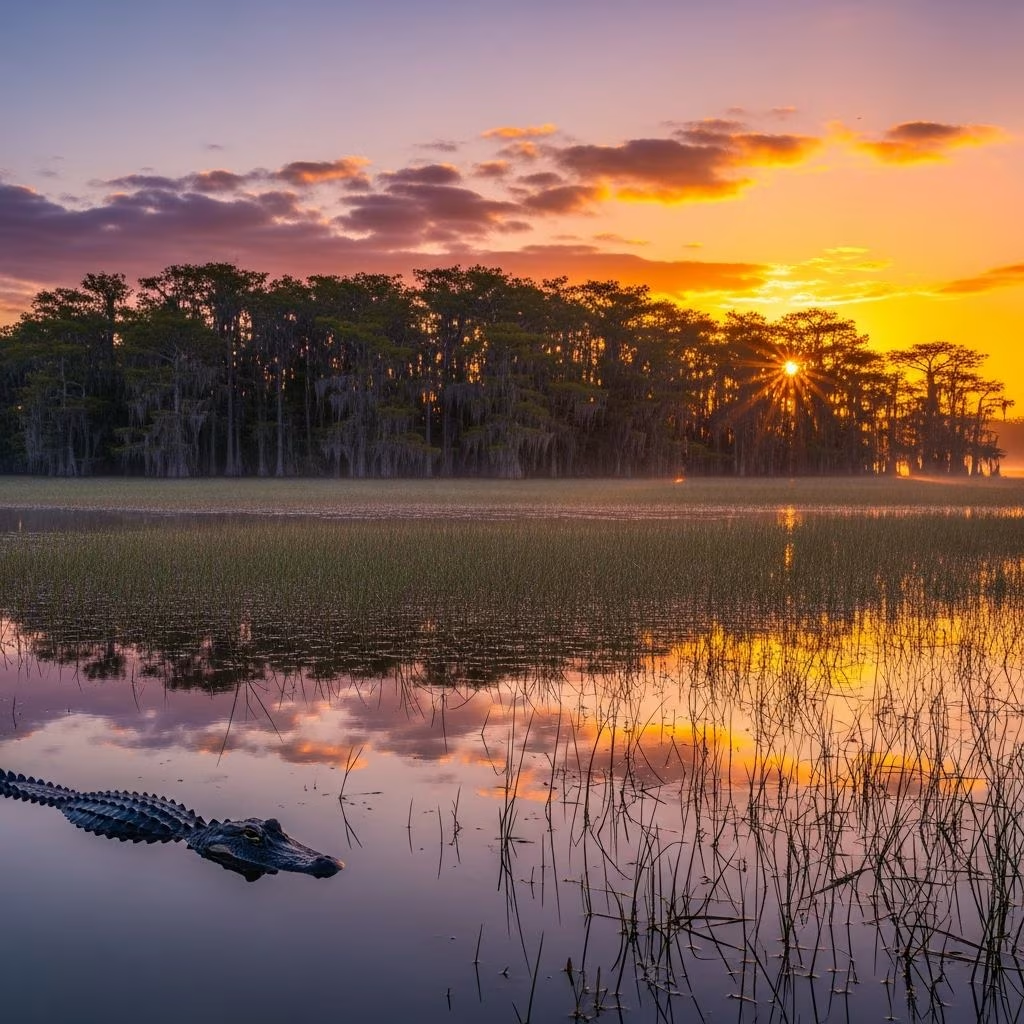 Travel Essentials
Everglades National Park offers a unique subtropical wilderness experience year-round, but timing your visit maximizes enjoyment based on weather patterns, wildlife activity, and visitor crowds. The park divides into distinct dry and wet seasons, each providing different advantages for exploration.
The Everglades experiences a dry season from roughly November to April and a wet season from May to October. These periods influence everything from temperature and precipitation to insect populations and animal behavior. During the dry season, receding water levels concentrate wildlife near remaining water sources, enhancing observation opportunities. In contrast, the wet season brings lush growth and solitude but challenges with heat and bugs.
Temperatures in the dry season average highs of 77°F (25°C) and lows around 53°F (12°C), with low humidity and minimal rain. The wet season sees highs near 90°F (32°C), humidity above 90%, and frequent afternoon thunderstorms.
This is the most recommended window for first-time visitors seeking comfortable conditions and vibrant wildlife displays. Mild weather supports extended outdoor activities without the drain of excessive heat or moisture.
Peak visitation occurs here, so arrive early at entrances like Shark Valley (open 8:30 AM to 6 PM) to secure parking. Entrance fees apply year-round at all gates.
| Month | Weather | Key Activities | Crowds |
|---|---|---|---|
| November | Cooling, drier post-rain | Biking trails, early bird migrations | Low to moderate |
| December–January | Mild, low water levels | Wildlife spotting, easy hikes | Moderate |
| February–March | Optimal temps (60–85°F) | Kayaking, birdwatching, tram tours | High |
| April | Warming up, rains approaching | Last chance for dry trails | Moderate |
November stands out for biking due to quieter trails and emerging migratory birds. February shines for kayaking amid concentrated fauna.
For those prioritizing low crowds and dramatic landscapes, the wet season delivers. Daily rains nourish the ecosystem, blooming wildflowers across prairies and cypress areas while dispersing crowds.
May through August offers the least congestion, though animals spread out, making sightings less predictable. November transitions smoothly with easing rains.
January to April peaks for alligators and wading birds near water holes. Early mornings yield the best activity.
Dry season ensures dry paths and comfort. Short, accessible boardwalks suit all levels without mud or swarms.
Kayak or canoe in February for calm waters and wildlife. Wet season suits experienced paddlers seeking solitude.
Summer wet months provide dark skies post-rain for celestial views.
November’s mild, uncrowded trails at Shark Valley’s 15-mile loop are perfect.
Regardless of season, mornings reign supreme. Wildlife stirs at dawn, temperatures stay manageable, and afternoon showers are avoidable. Shark Valley trams and loops are most rewarding from 8:30–10 AM.
Park gates like main and Everglades City operate 24/7, but Shark Valley closes at 6 PM. Campgrounds such as Long Pine Key (first-come) and Flamingo (reservations advised) fill fast in dry months.
February to March offers ideal weather, peak wildlife, and active ecosystems.
Yes, 24/365, though specific entrances have hours (e.g., Shark Valley 8:30 AM–6 PM).
Stick to dry season or use repellents/head nets in wet months; avoid dusk/dawn.
Absolutely, for fewer crowds and blooms, but brace for heat and rain.
Early morning for cooler temps, active wildlife, and parking.
| Aspect | Dry Season (Nov–Apr) | Wet Season (May–Oct) |
|---|---|---|
| Temperature | 53–77°F | 90°F+ with high humidity |
| Rainfall | Low | Heavy, daily storms |
| Insects | Few | Abundant |
| Crowds | High | Low |
| Wildlife Viewing | Excellent (concentrated) | Good but dispersed |
Choose dry for action-packed days; wet for peaceful immersion. Both reveal the Everglades’ magic.
