

 Travel Essentials
 Travel Essentials

Plan your France trip strategically by understanding seasonal weather patterns, tourist crowds, and regional highlights throughout the year.
 Travel Essentials
France attracts millions of visitors annually, each seeking different experiences depending on the time of year they travel. Understanding the seasonal variations across this diverse country is essential for optimizing your visit, whether you prioritize comfortable weather, manageable crowds, specific activities, or regional attractions. This comprehensive guide explores what each season offers and helps you determine the ideal timing for your French getaway.
France functions as a genuinely year-round destination with distinct advantages during each season. The country’s geographical diversity means that what works best in the Mediterranean south may differ significantly from conditions in the Alps or northern regions. Rather than a single “best” time to visit, France offers multiple optimal windows depending on your travel priorities and preferred activities.
The classic travel consensus points to late spring through mid-fall as the premium visiting window. However, this period also coincides with peak tourism and higher accommodation costs. For travelers willing to embrace shoulder seasons or specific winter activities, France reveals equally compelling experiences with considerably fewer visitors and better value.
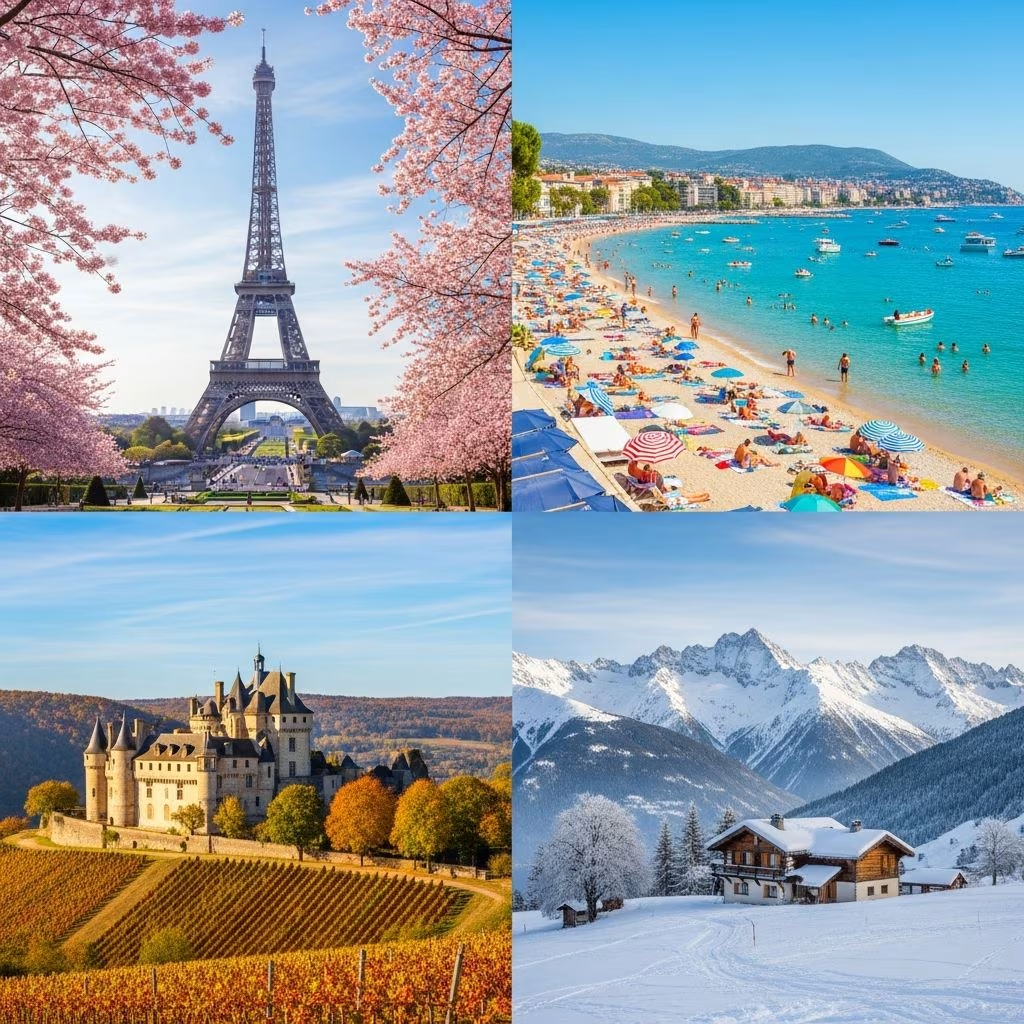
The transitional months from March through May transform France into a living canvas of renewal. Spring represents a particularly compelling choice for travelers seeking balance between pleasant weather and manageable crowds. This season brings several distinctive advantages worth considering.
Spring weather in France exhibits characteristic variability. Mornings frequently arrive cool and crisp, while afternoons warm considerably. Daytime temperatures typically range between 50°F and 68°F, with regional variations particularly pronounced in mountainous areas. Visitors should prepare for unpredictable conditions by packing layered clothing, as precipitation can emerge suddenly and temperature swings between morning and afternoon can exceed 15 degrees.
May and June emerge as particularly favorable months, offering temperate conditions ideal for walking expeditions and outdoor exploration. Late spring provides southern sunshine with remarkably fewer crowds compared to summer months, making it an excellent alternative for those seeking Mediterranean warmth without the July and August intensity.
Spring’s most distinctive feature is the explosion of floral displays across urban and rural landscapes. Paris’s iconic cherry blossoms bloom from late March through mid-April, transforming city parks and gardens. Urban parks across France burst to life from the spring equinox onward, creating Instagram-worthy backdrops throughout the country.
For visitors interested in Provence, late April through May offers excellent timing, as spring conditions have fully established while the region remains less congested than summer. The region’s famous lavender fields have not yet bloomed during spring, though the landscape displays other wildflower varieties. May specifically provides a wonderful combination of outdoor activities, accessible indoor cultural attractions, and local festivals.
Spring tourism frequently orbits around galleries, châteaux, and picturesque villages. Palaces and museums extend their operating hours during this period, while seasonal attractions reopen following winter closures. This timing proves particularly advantageous for château touring, as conditions between April and late October offer optimal exploration circumstances.
The months of June through August define summer in France, characterized by warm weather, extended daylight hours, and vibrant cultural energy. This season represents high tourism season with corresponding crowds and elevated accommodation prices. However, summer offers distinct advantages that explain its perennial popularity.
The French Riviera transforms into an epicenter of summer tourism, with visitors flocking to glamorous resorts and beach communities. The Côte d’Azur becomes incredibly busy during peak summer, particularly in August when both domestic and international travelers concentrate on coastal regions. The south of France experiences intense sunshine, making it ideal for beach enthusiasts, though the region can reach uncomfortably hot temperatures.
Interestingly, the end of August presents a strategic advantage. As school vacations conclude and families depart, temperatures moderate slightly while remaining pleasantly warm. This late-summer period offers warm sunshine without the oppressive midday heat that characterizes mid-summer, creating ideal conditions for lounging by the sea or pursuing coastal hiking and cycling.
For water sports enthusiasts, the considerations vary by activity. The Mediterranean coast becomes swimmable from late May or early June through late September. Conversely, surfers targeting the southwest coast achieve better results in May when swell conditions are reliably clean, though June through August offers improved conditions for beginners.
Summer marks the optimal season for tackling France’s most challenging high-altitude hikes. Trails like the GR20, Tour de Mont Blanc, and Tour des Ecrins become accessible during summer months as snow melts, revealing previously blocked pathways. Trekking between mountain refuges across mountainous terrain reaches peak activity in mid-July when snow has cleared and avalanche risks diminish significantly.
Gushing rivers and wildflower-filled pastures create stunning conditions for mountain and national park hiking. July and August do attract crowds to popular trails, particularly as city residents take their traditional summer holiday, but these months remain essential for serious mountaineering pursuits.
France’s festival calendar reaches fever pitch during summer months. The French Open tennis tournament commences in late May and extends through mid-June at Roland Garros in Paris, attracting global audiences. Summer festivals add considerable vibrancy to urban centers, offering cultural experiences spanning music, gastronomy, and regional celebrations.
A counterintuitive advantage emerges during peak summer: Paris becomes surprisingly calm. When the French take their traditional July and August holidays, fleeing to coastal regions and rural retreats, the capital empties considerably. This phenomenon creates an unusual opportunity for sightseeing in one of Europe’s most-visited cities with noticeably smaller crowds and shorter museum queues.
September and October represent a compelling alternative to summer for many travelers. Autumn washes France’s countryside in warm golds, greens, and reds, creating particularly photogenic conditions. This season achieves an often-overlooked sweet spot of mild weather combined with markedly fewer tourists.
May, June, September, and early October consistently rank among the most pleasant months for sightseeing and outdoor activities. Temperatures remain comfortable throughout these autumn weeks, with the south of France offering particularly extended favorable conditions. The further south you travel in October, the later winter arrives, meaning Mediterranean regions enjoy continued warmth while northern areas cool considerably.
October specifically excels for walking and cycling throughout France, as temperatures remain comfortable in the south with exceptionally manageable crowds. This represents your final opportunity for warm Mediterranean coast weather, making it strategically valuable for visitors prioritizing beach access alongside cultural exploration.
Fall represents the optimal season for wine-related activities throughout France’s celebrated wine regions. While spring and summer provide better conditions for tastings at smaller estates, autumn brings harvest events and winery festivities. Wine cellars maintain stock throughout the year, but autumn captures the region’s distinctive seasonal energy.
One important caveat accompanies late autumn travel: restaurants and hotels throughout the countryside begin closing from late October onward, remaining shuttered until spring reopening. This phenomenon particularly affects rural destinations and smaller communities, requiring advance research and planning for visitors targeting remote regions during this transition period.
Winter in France, spanning late November through early April, caters to specific traveler interests while offering markedly different experiences than warmer seasons. While general tourism declines significantly, winter unlocks activities impossible during other seasons.
Winter represents the optimum time for cross-country skiing, snowshoeing, and dedicated mountain sports throughout the Alps and Pyrenees. Late November through early April provides reliable snow conditions, though the timing varies annually based on precipitation patterns. The height of winter proves ideal for tackling serious high-altitude hikes, as most snow will have melted from summer routes.
Winter brings cold conditions throughout France, with temperatures dropping well below freezing in numerous areas. This variability means that while coastal regions and southern areas maintain relatively mild conditions, mountainous regions experience genuine winter with substantial snowfall. April in the high-altitude mountains can retain snow even into May, potentially blocking certain hiking paths.
Winter appeals to travelers prioritizing tranquil atmospheres and authentic local experiences. The dramatic reduction in international tourism means significantly lower accommodation prices, minimal queues at attractions, and the opportunity to experience France as residents do rather than as tourists. March and October specifically offer particularly pleasant conditions with mild weather combined with fewer tourists.
| Month | Weather Character | Crowd Level | Primary Activities |
|---|---|---|---|
| April | Mild, variable showers | Low-Medium | Château tours, spring flowers, hiking |
| May | Pleasant, 50-68°F | Medium | Outdoor exploration, festivals, wine tastings |
| June | Warm, reliable sunshine | Medium-High | Provence lavender, beach access, cycling |
| July | Hot, peak sunshine | Very High | Mountain hiking, beaches, cultural events |
| August | Very hot, intense sun | Very High (declining late month) | Coastal activities, festivals, mountain pursuits |
| September | Warm, consistent | Medium | Wine harvest, walking, cycling, sightseeing |
| October | Mild, golden light | Low-Medium | Provence exploration, coastal access, photography |
Paris, Bordeaux, Nice, and Lyon maintain four-season appeal, though smaller cities exhibit noticeably reduced activity during low seasons. For optimal urban exploration combining pleasant weather with manageable crowds, April, May, September, and October emerge as ideal months. These periods offer mild temperatures conducive to extended walking while maintaining accessible restaurant and attraction schedules.
Different outdoor pursuits demand specific seasonal windows. Mid-spring, early summer, and late fall provide optimum conditions for general hiking. Beach access remains viable from late May through late September. For serious mountaineering and high-altitude pursuits, summer’s extended daylight and cleared pathways prove essential.
France maintains festival and exhibition activity throughout the year, with primarily a lull in January. Summer months concentrate the highest density of cultural events, though spring and fall also feature significant festival calendars. Event-specific research proves essential for travelers prioritizing particular celebrations or performances.
Accommodation and dining prices reflect tourist demand patterns. Peak summer months command premium pricing, with limited availability at popular destinations. Shoulder seasons (April-May and September-October) offer significantly better value while maintaining pleasant conditions. Off-peak winter months present the lowest prices but correspond to reduced services and harsh weather outside Alpine regions.
May and June emerge most frequently as consensus best months, offering pleasant weather across regions, manageable crowds compared to summer, and extended outdoor possibilities. However, “best” depends entirely on individual priorities. September and early October provide equally compelling experiences with different regional advantages.
March, April, and late October through November provide dramatically reduced tourist populations compared to summer. These periods offer authentic local experiences and significantly better value while maintaining generally pleasant conditions outside extreme winter months.
Summer proves essential only for specific pursuits: serious mountaineering requiring snow-free high-altitude routes, Mediterranean beach experiences, or attending particular festivals. Visitors prioritizing cultural exploration, countryside visits, and relaxed sightseeing find superior conditions during shoulder seasons.
Winter remains underutilized for non-Alpine tourism, but Paris and southern regions maintain functional tourism infrastructure with dramatically reduced crowds and lower prices. Urban exploration, museum visits, and enjoying café culture prove entirely feasible with appropriate cold-weather preparation.
France truly functions as a year-round destination, each season revealing distinct character and advantages. Rather than searching for a singular “best” time, successful planning involves aligning travel timing with personal priorities: desired activities, crowd tolerance, budget constraints, and regional interests.
Spring and autumn represent optimal choices for travelers balancing multiple priorities: pleasant weather, fewer crowds, cultural accessibility, and reasonable pricing. Summer excels for beach enthusiasts, serious mountaineers, and festival seekers willing to navigate crowds and premium costs. Winter attracts specialized adventurers prioritizing Alpine sports or those seeking profound solitude and authentic local encounters.
Successful France travel planning begins not with searching for abstract “best” timing, but rather with clarifying personal travel priorities, then matching those preferences to seasonal characteristics. France’s extraordinary regional diversity ensures that virtually any travel timing yields rewarding experiences when matched appropriately to individual interests and expectations.
