

 Travel Essentials
 Travel Essentials

Learn the pros and cons of visiting Great Smoky Mountains National Park in spring, summer, fall, and winter to plan your perfect trip amid stunning landscapes and diverse activities.
 Travel Essentials
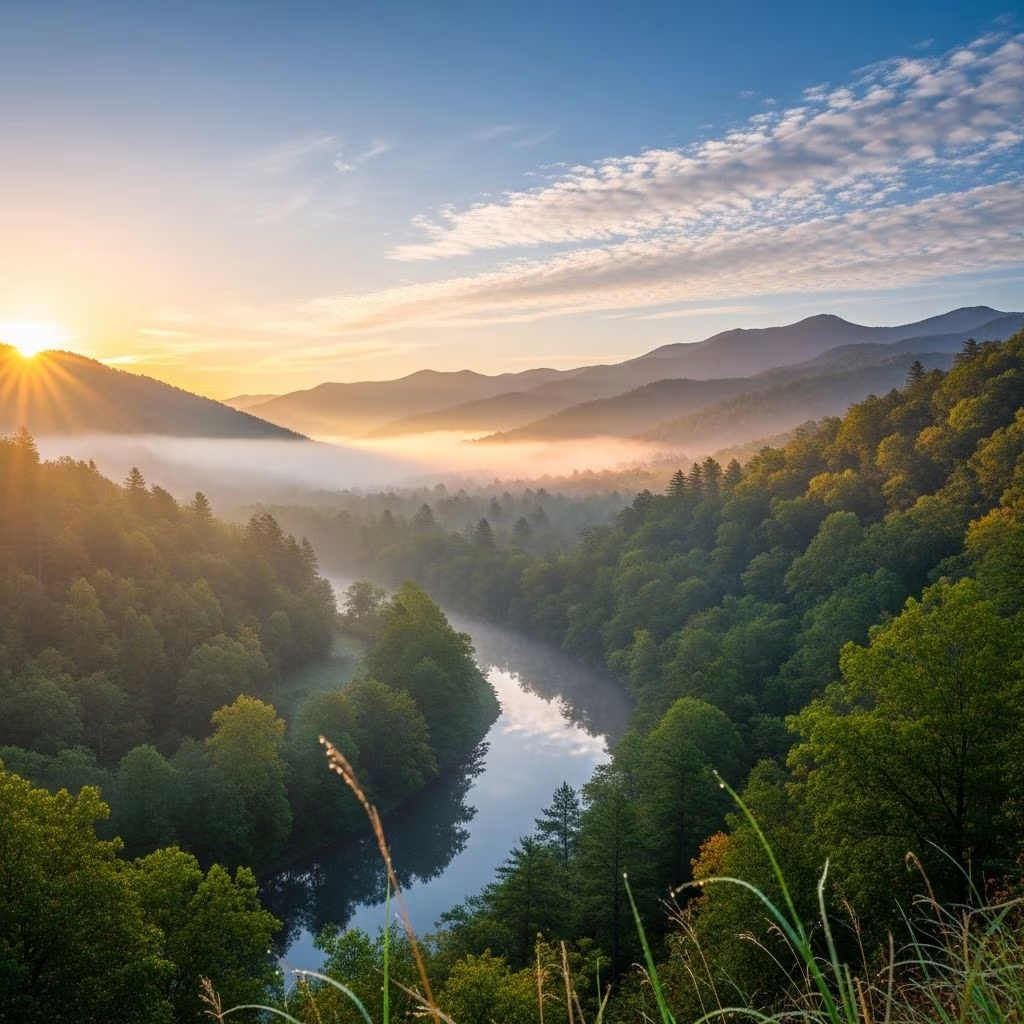
Great Smoky Mountains National Park, straddling Tennessee and North Carolina, welcomes over 14 million visitors annually, making it the most popular national park in the U.S. Choosing the right time to visit depends on your priorities—whether it’s vibrant wildflowers, peak foliage, solitude, or family-friendly adventures. This guide breaks down each season’s weather, crowds, activities, and unique draws to help you decide.
The park spans elevations from 875 feet at Abrams Creek to 6,643 feet at Clingmans Dome (now called Kuwohi), creating microclimates that influence conditions dramatically. Lower areas are warmer and wetter, while peaks stay cooler year-round. Rainfall averages 55 inches annually in the west and 85 inches in the east, with thunderstorms common in warmer months.
| Season | Avg High Temp (°F) | Avg Low Temp (°F) | Crowd Level | Precipitation |
|---|---|---|---|---|
| Spring (Mar-May) | 60-75 | 35-50 | Low-Medium | Moderate |
| Summer (Jun-Aug) | 75-90+ | 55-65 | High | High (afternoon storms) |
| Fall (Sep-Nov) | 60-80 | 35-55 | High (peak Oct) | Low |
| Winter (Dec-Feb) | 45-60 | 20-35 | Low | Moderate (snow at highs) |
Temperatures vary by 20-30°F between lowlands and summits. Peak crowds hit June-August and October, with over a million visitors monthly; winter and early spring offer the most solitude.
Spring transforms the park into a riot of color and life, ideal for nature lovers seeking renewal without summer’s bustle. As temperatures climb from the 50s to 70s, hillsides green up, wildflowers carpet trails, and waterfalls swell from melting snow.
Drawbacks include unpredictable rain and occasional black bears foraging near roads. Early March can feel drab pre-bloom; aim for April-May for peak vibrancy. Road closures for maintenance are possible, so check NPS updates.
Summer buzzes with energy, drawing families for open facilities and long days. Lush greenery evokes a temperate rainforest, but heat and crowds test patience.
Challenges: Lowland highs exceed 90°F with high humidity; mosquitoes, ticks, and yellowjackets proliferate—pack DEET and long sleeves. Afternoon storms (70% chance) prompt early starts; traffic peaks 10am-6pm on US-441. July reigns busiest; opt for weekdays.
Autumn rivals any global destination for foliage, painting 500,000 acres in crimson, gold, and amber. Crisp air (50s-70s highs) and low humidity make it prime for exploration.
October draws massive crowds (second to July); book sites months ahead. Early fall (September) balances warmth and color onset with fewer people. Late November quiets as leaves drop.
Winter quiets the park, blanketing it in snow for a magical, crowd-free escape. While not for the faint-hearted, it rewards with stark beauty and introspection.
Hazards: Roads like Newfound Gap ice over (chains required); elevations vary wildly—warm valleys, sub-zero peaks. Some trails and facilities close; check for black ice. Snowfall averages 10-20 inches at higher spots.
Maximize enjoyment regardless of season with these tips:
For budgets, spring/winter slash costs 20-40% vs. peak; mid-week saves more.
| Activity | Best Season | Why |
|---|---|---|
| Wildflower Viewing | Spring | Over 1,600 species bloom April-May |
| Foliage Drives | Fall | Peak colors mid-October |
| Waterfall Chasing | Spring/Summer | Highest flows from rain/snowmelt |
| Backcountry Camping | Fall | Mild temps, dry trails |
| Snowshoeing | Winter | Ranger-led tours, low crowds |
October for foliage if crowds don’t faze you; May or September for balance of beauty and manageability.
No—the park is free, but parking tags ($5 daily, $15 weekly, $40 annual) required for most lots.
Expect lines at popular spots summer/fall; winter averages under 200,000 monthly visitors.
Yes, 24/7, but some roads/trails close seasonally for weather or maintenance.
Check nps.gov/grsm or apps; it changes rapidly due to elevation.
