

 Travel Essentials
 Travel Essentials

Learn how to choose the ideal season for your Greek adventure based on weather preferences, budget, and travel style.
 Travel Essentials
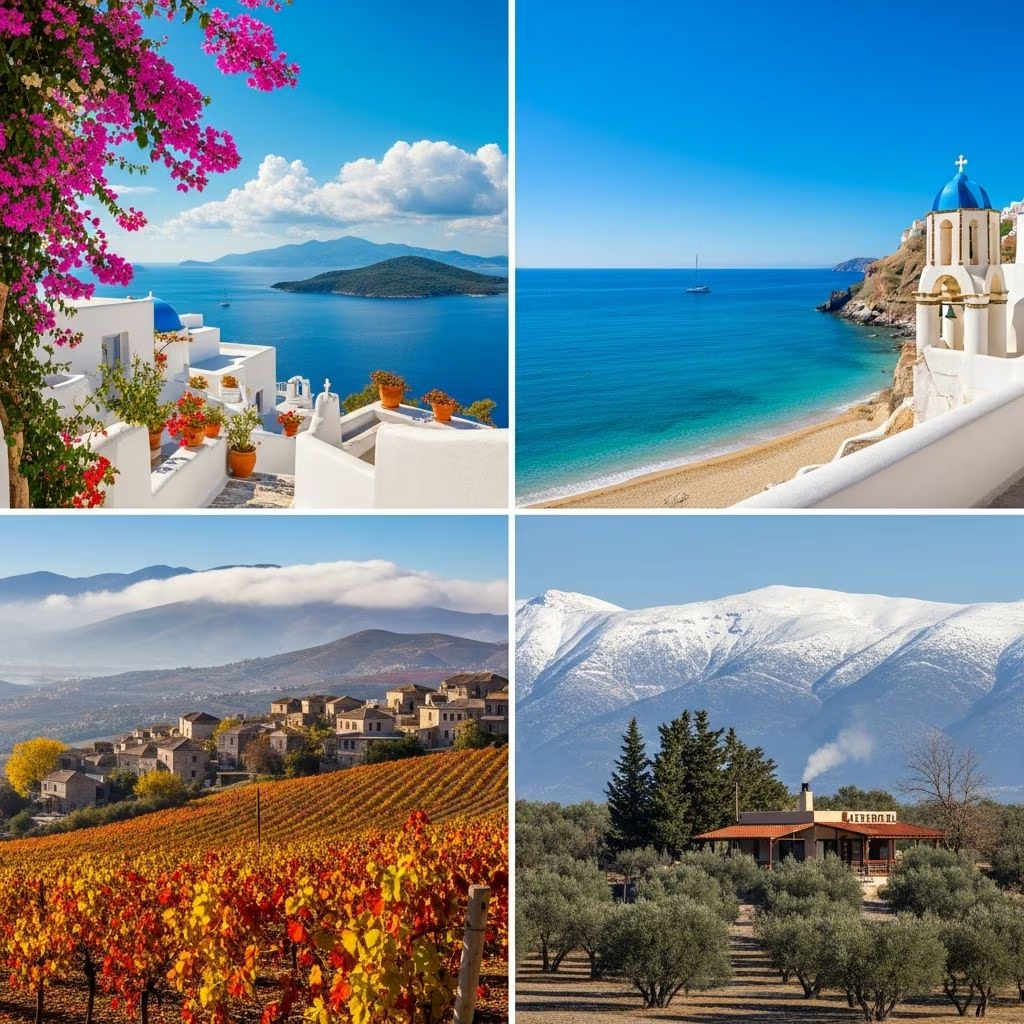
Planning a trip to Greece requires understanding how seasonal variations affect your experience, from weather patterns to crowd levels and accommodation costs. Greece offers distinctive advantages throughout the year, making the “best” time to visit highly dependent on your personal preferences and travel priorities. Whether you seek solitude and affordability, vibrant island culture, or comfortable exploration of ancient ruins, Greece delivers across all seasons.
Greece experiences a Mediterranean climate characterized by distinct seasonal transitions that significantly influence visitor experiences. The country’s geography creates microclimates—northern regions experience different conditions than southern islands, and coastal areas differ from mountainous interior zones. Understanding these variations helps travelers anticipate weather conditions and plan activities accordingly.
Spring and autumn represent the most balanced seasons, offering moderate temperatures without the intensity of summer heat. Summer months bring scorching temperatures and intense sunshine, particularly in urban areas and lower-altitude locations. Winter presents mild conditions in most regions but includes rainfall, especially in western areas and the Ionian islands. These climate patterns directly affect everything from archaeological site exploration to swimming opportunities.
Spring marks a transition period when Greece awakens from winter dormancy. April represents an underrated travel window, offering temperate weather with manageable rainfall confined to specific regions. The month sees reduced crowds compared to peak summer, making it ideal for travelers seeking authentic experiences without overwhelming tourist presence.
May emerges as one of Greece’s premier travel months. Nearly all island destinations open fully for the summer season, and sea temperatures become comfortable for swimming despite remaining slightly cool early in the month. Weather reaches pleasantly warm levels without the oppressive heat of July and August. Cities remain navigable on foot without excessive heat exposure, while islands showcase their full beauty with developing vegetation and clear skies.
June provides excellent conditions, particularly for those interested in maritime activities. Wind patterns and water temperatures favor cruising and sailing. Temperatures warm considerably while remaining below peak summer intensity, and the season still maintains relatively quieter conditions compared to July and August.
Summer represents peak tourist season when Greece experiences maximum visitor influx. July and August bring intense heat, particularly in Athens and lower-elevation regions, yet coastal breezes moderate conditions on islands. This season delivers guaranteed sunshine, warmest water temperatures, and the most developed tourist infrastructure.
Summer excels for travelers prioritizing beach activities and island experiences. All attractions remain open with extended hours, and the Mediterranean offers optimal swimming conditions. However, popularity drives higher accommodation prices, crowded archaeological sites, and busier beaches. Urban areas become increasingly congested, making leisurely exploration challenging.
Summer works best for those with limited vacation time or families coordinating school schedules. The trade-off involves higher expenses and reduced opportunities for quiet cultural immersion. Popular islands like Mykonos and Santorini reach capacity, while less-known destinations provide more comfortable experiences with similar weather benefits.
Autumn combines favorable weather with decreasing tourist pressure, making it increasingly popular among experienced travelers. September maintains summer-like conditions while crowds begin dispersing. Weather remains warm, water stays swimmable, but prices decline and attractions feel less congested.
October stands out as potentially the year’s finest month. Islands remain operational but noticeably quieter, and weather stays mild across most regions. Crete and Athens retain warmth enabling comfortable swimming, while central and northern areas display autumnal foliage. This combination—pleasant weather, manageable crowds, reasonable prices—appeals to diverse traveler types.
November marks autumn’s conclusion with cooler temperatures and increased rainfall probability. Many island establishments begin closing seasonally, though major destinations remain accessible. This month suits budget-conscious travelers and those seeking profound local connections.
Winter represents Greece’s most economical travel period, with accommodation costs reaching approximately fifty percent of peak-season rates. Athens and major urban centers remain relatively warm and navigable, while island villages and rural areas experience seasonal slowdowns. Winter suits travelers prioritizing budget optimization and cultural immersion over beach activities.
December through February bring mild temperatures in southern regions but cooler, rainier conditions, especially in western Greece and the Ionian islands. Many island restaurants, hotels, and attractions operate on reduced schedules or close entirely. However, archaeological sites remain accessible with minimal crowds, enabling unhurried exploration of ancient ruins and museums.
Winter excels as an extended weekend destination or budget-friendly vacation option. Travelers gain substantial savings while experiencing authentic local culture undisturbed by summer tourism. Cities like Athens offer cultural riches—museums, galleries, and historical sites—without overwhelming visitor pressure. This season transforms Greece into an entirely different experience, favoring contemplation over activity.
| Season | Temperature | Crowds | Accommodation Cost | Best For |
|---|---|---|---|---|
| Spring (Apr-Jun) | Warm, 65-82°F | Moderate | Reasonable | Cultural exploration, island discovery |
| Summer (Jul-Aug) | Hot, 82-95°F | Maximum | Premium | Beach activities, guaranteed sunshine |
| Autumn (Sep-Nov) | Mild, 65-80°F | Low to moderate | Reduced | Balance of weather and solitude |
| Winter (Dec-Mar) | Cool, 50-65°F | Minimal | Economy | Budget travel, cultural immersion |
Archaeological and Historical Exploration: Spring and autumn provide optimal conditions for visiting ancient sites. Cooler temperatures allow extended time at exposed ruins without heat exhaustion, and lower crowds enable contemplative experiences. Winter remains viable for urban museums and sheltered attractions.
Island Hopping and Beach Culture: Summer guarantees warm water and developed infrastructure, though crowds and prices peak. Late spring and early autumn offer similar beach experiences with notably fewer visitors and lower costs.
Cultural Events and Festivals: Greek Easter (Orthodox calendar) and summer festivals define cultural calendars. Spring Easter season attracts religious observance participants, while summer features music festivals and local celebrations. Plan around specific events aligned with your interests.
Photography and Landscape Documentation: Spring showcases blooming wildflowers and fresh vegetation, while autumn displays warm golden light and colorful foliage. Both seasons provide superior photographic conditions compared to summer’s harsh midday brightness.
Accommodation pricing follows predictable seasonal patterns, with winter rates reaching fifty percent of summer costs. Spring and autumn occupy middle ground with moderate pricing. Dining, entertainment, and activity costs remain relatively consistent year-round, but peak-season venues charge premiums during summer.
Travel booking strategies should account for seasonal variations. Booking during off-seasons directly with establishments often yields discounts unavailable through online platforms during peak periods. Flexibility with exact travel dates within shoulder seasons maximizes savings while maintaining acceptable weather conditions.
Selecting your optimal Greece travel window requires evaluating multiple factors beyond weather. Consider your vacation schedule constraints, budget limitations, travel style preferences, and specific interests. A business traveler with limited vacation weeks may prioritize guaranteed weather over crowd levels, while a sabbatical traveler might optimize for authentic cultural experiences and minimized expenses.
First-time visitors often benefit from spring or early autumn travel, which balance accessibility, weather quality, and manageable crowds. Experienced Greece travelers frequently return during shoulder seasons, having discovered that peak-season tourism obscures authentic Greek culture and natural beauty.
Regional variations within Greece deserve consideration. Northern regions and mountainous areas remain cooler throughout summer, making them more comfortable than southern islands during peak heat. Certain islands close seasonally or operate limited services during winter months, requiring advance planning for specific destinations.
May and October consistently rank as optimal months. May offers fully open destinations with warm weather but pre-peak-season crowding, while October delivers mild temperatures with significantly reduced visitors. The “best” month ultimately depends on your individual preferences regarding weather intensity and crowd tolerance.
Yes, winter presents excellent opportunities, particularly for budget-conscious travelers and those seeking cultural immersion. Athens and major cities remain accessible with reasonable weather, though island services become limited. Winter costs approximately fifty percent of summer rates, making extended stays economically viable.
Avoid mid-July through mid-August if you dislike crowds and high prices. Additionally, check Orthodox Easter dates to avoid the Easter weekend rush if you prefer quieter experiences. Consider avoiding the Ionian islands during winter months due to excessive rainfall.
Both seasons offer comparable weather quality. Spring appeals to those wanting to witness seasonal awakening and enjoy developing landscapes, while autumn attracts travelers preferring cooler temperatures, fewer crowds, and golden-hour photography conditions. Spring features more cultural events and festivals, while autumn offers greater solitude.
Major islands remain accessible throughout the year, though services reduce significantly during winter months. Small or remote islands may experience seasonal closures or limited ferry service. Research your specific destination’s seasonal operations before booking winter travel.
