

 Travel Essentials
 Travel Essentials

Plan your Havana trip with insights into seasonal weather patterns, crowd levels, and activities throughout the year to maximize your experience.
 Travel Essentials
Havana, the vibrant capital of Cuba, offers distinct experiences depending on when you choose to visit. The city’s tropical climate creates predictable patterns of weather, tourism intensity, and cultural activity throughout the year. Understanding these seasonal variations allows travelers to align their visit with personal preferences, whether seeking ideal weather conditions, budget-friendly rates, or specific cultural events. This guide explores each season’s characteristics to help you determine the optimal timing for your Havana adventure.
The period from November through March represents Havana’s most popular travel season, and for good reason. As the Caribbean transitions into its dry season, this timeframe delivers consistently pleasant weather with minimal rainfall. Temperatures during this window range from comfortable to warm, making outdoor exploration particularly enjoyable without the intensity of summer heat.
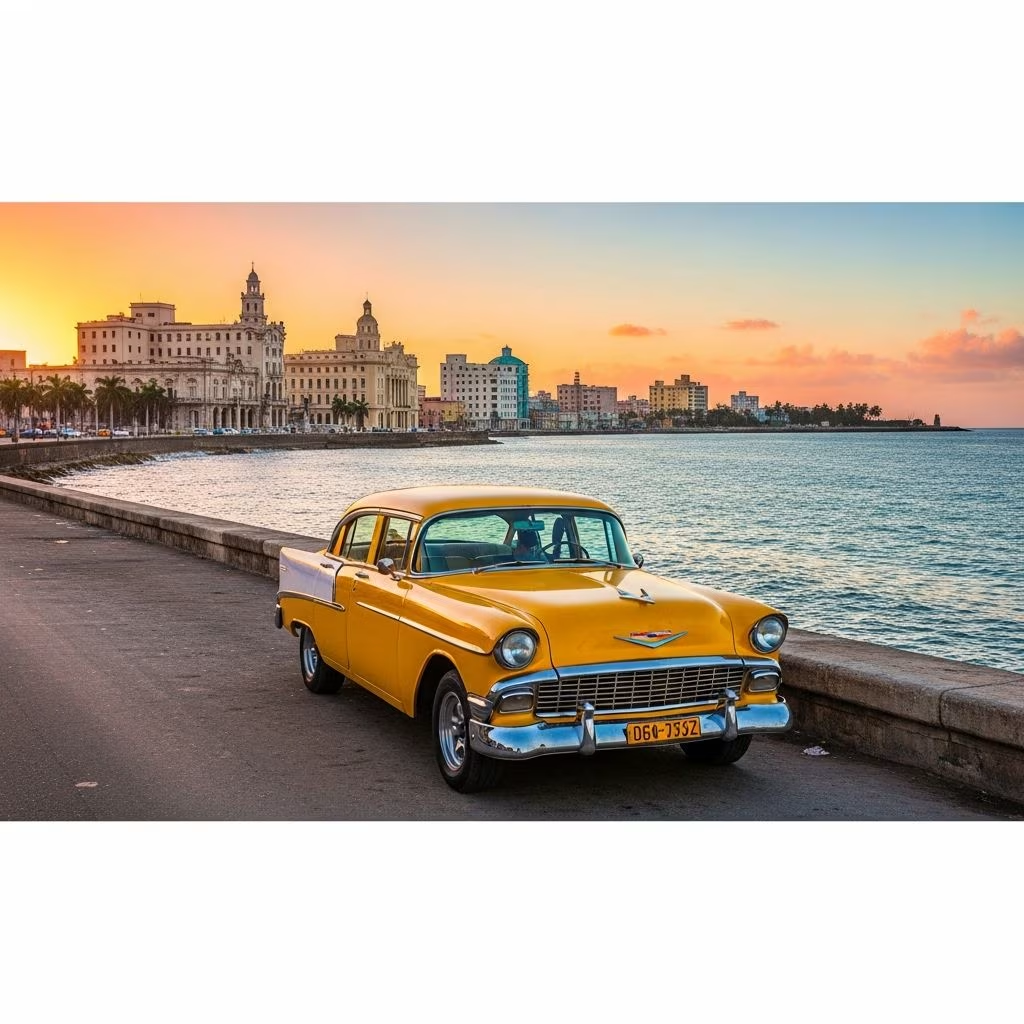
November and early December mark the transition from autumn as the rainy season gradually diminishes. Humidity levels drop noticeably, creating refreshing conditions for walking Havana’s historic streets and enjoying its famous malecón waterfront promenade. Late November typically sees increased visitor arrivals as people begin their winter getaways.
January and February represent the coolest months of the year, with average daily temperatures hovering around 22°C (72°F). While cooler than other seasons, these temperatures remain pleasant for most travelers and actually facilitate comfortable daytime sightseeing. These months also coincide with lower accommodation rates compared to December, making them attractive for budget-conscious visitors who still want reliable weather.
March through mid-April extends the favorable conditions with gradually warming temperatures. March brings particularly appealing conditions, with daytime highs reaching into the mid-to-upper 20s Celsius (mid-70s to low-80s Fahrenheit). The atmosphere remains dry, and visitor numbers have not yet surged to summer peaks, creating a balanced experience of good weather with manageable crowds.
April and October occupy unique positions in Havana’s travel calendar, offering advantages distinct from both peak and low seasons. These months often represent overlooked opportunities for travelers flexible with their scheduling.
April’s appeal lies in its meteorological characteristics and visitor patterns. The month ranks among the driest and sunniest of the year, with humidity levels remaining moderate compared to approaching summer months. Daytime temperatures range from 24°C to 29°C (75°F to 84°F), providing warmth without excessive heat. Critically, April experiences noticeably fewer visitors than the winter months, translating to shorter lines at attractions, less crowded beaches, and more available accommodation. This reduced competition allows for more authentic interactions with local culture and often results in better service from tourism businesses. Unless Easter falls during April—which significantly increases visitor numbers—the month offers an excellent balance of favorable conditions and manageable crowds.
October similarly attracts fewer tourists despite falling within hurricane season. The city remains less crowded, accommodation costs remain relatively lower, and the transition into autumn brings gradually decreasing temperatures and humidity from summer peaks.
For travelers who embrace intense tropical conditions, July and August present Havana at its hottest. August consistently ranks as the city’s warmest month, with temperatures regularly reaching 32°C (90°F) and often exceeding this threshold when factoring in humidity. July maintains similarly scorching conditions with comparable humidity levels.
Despite the heat, summer attracts visitors for several reasons. International travelers with school-age children vacation during these months, creating a younger, more energetic atmosphere throughout the city. Summer also aligns with various cultural festivals and events that celebrate Cuban music, dance, and heritage. Accommodations offer competitive rates during these months, benefiting budget travelers willing to navigate afternoon heat and humidity. Morning and evening hours remain pleasant for exploration, with many visitors adjusting their schedules to experience attractions during cooler daylight periods and staying active after sunset.
Travelers prioritizing affordability find their best opportunities during May, June, and September. These months fall within Cuba’s rainy season, yet the characterization requires important context: rainfall typically arrives in short, intense bursts rather than all-day precipitation. Mornings frequently break clear and sunny, with afternoon showers clearing quickly, leaving evenings pleasant.
May occupies a particularly advantageous position. It represents one of the year’s cheapest months for accommodations and activities, yet weather remains relatively favorable compared to the approaching hurricane season. May transitions between the crowded winter season and domestic summer travel increases, creating a genuine sweet spot. Hotels and tour operators offer discounted rates, and beaches remain accessible despite occasional showers. The month represents ideal timing for travelers comfortable with periodic rain but seeking meaningful savings.
June marks the official beginning of hurricane season in the Caribbean, though tropical storms remain exceptions rather than regular occurrences. June also coincides with mango season in Cuba, offering a unique culinary experience unavailable other times of year. The month’s occasional rain does not deter serious travelers, and those seeking solitude find Havana’s beaches and attractions refreshingly uncrowded. Accommodations reach their lowest price points, and many tourism businesses operate with reduced reservation pressure.
September represents peak hurricane season for the Atlantic basin, creating the year’s lowest visitor arrivals. While the statistical probability of a major hurricane remains low—typically one significant storm every four to five years—the general perception of increased risk keeps many vacationers away. For adventurous travelers unconcerned by weather variability, September offers the deepest discounts and most authentic local atmosphere.
| Season | Temperature Range | Humidity Level | Rainfall | Best For | Typical Crowds |
|---|---|---|---|---|---|
| November-March | 22-28°C (72-82°F) | Low to Moderate | Minimal | Beach activities, sightseeing | Peak |
| April-May | 24-30°C (75-86°F) | Moderate | Occasional | Budget travel, fewer crowds | Moderate |
| June-August | 28-32°C (82-90°F) | High | Frequent showers | Budget travel, cultural events | Low to Moderate |
| September-October | 26-30°C (79-86°F) | High | Frequent | Budget travel, adventurous travelers | Low |
Understanding Havana’s climate enhances trip planning significantly. The city experiences a tropical climate with two primary seasons: dry (November to April) and wet (May to October). However, this binary classification oversimplifies the nuanced variations throughout the year.
The dry season genuinely delivers minimal rainfall, allowing reliable outdoor planning. Visitors can confidently schedule beach days, explore outdoor museums, and enjoy waterfront activities without weather interruptions. The winter months’ lower humidity creates spectacular ocean visibility and comfortable conditions for prolonged outdoor activity.
The wet season’s characterization as “rainy” requires recalibration for travelers accustomed to subtropical or temperate climates. Caribbean rain patterns typically feature intense but brief showers rather than prolonged drizzle. Mornings frequently remain sunny, with afternoon showers clearing by evening. Travelers equipped with light rain gear and flexible scheduling find wet season conditions entirely manageable, especially considering dramatic cost reductions and crowd decreases.
Havana maintains vibrant cultural programming throughout the year, with events distributed across seasons. The winter months feature numerous festivals and celebrations, as international visitors create audiences for performances. Spring brings specific cultural observations, while summer and early autumn showcase traditional music and dance events celebrating Afro-Cuban heritage and contemporary artistic expression.
Rather than concentrating festivals during peak season exclusively, Havana’s cultural calendar reflects both visitor patterns and local traditions. Travelers interested in experiencing authentic performances and festivals should research specific events aligned with their preferred travel dates, as musical venues and cultural institutions remain open year-round regardless of season.
Havana’s accommodation sector responds predictably to seasonal demand. Winter months command premium rates, with availability becoming limited well in advance. January through March consistently show higher pricing, and booking months ahead becomes advisable for travelers preferring winter conditions.
April, May, and September through October offer substantially lower rates, with savings often reaching 30-40% compared to peak season pricing. Beyond pure cost reduction, travelers enjoy better accommodation selection, as inventory constraints disappear and businesses provide more personalized service amid lower occupancy pressures.
June through August maintain relatively low rates, with occasional dramatic discounts from mid-August through September as hurricane season perception suppresses demand. Visitors negotiating directly with property owners and smaller hotels during these months often secure favorable terms unavailable during popular seasons.
Selecting Havana’s optimal visiting season ultimately depends on individual priorities. Weather preference, budget constraints, tolerance for crowds, and specific activity interests all influence the decision.
Choose November-March if: Ideal weather ranks as your top priority, you prefer vibrant tourism infrastructure, you have flexibility for premium accommodation costs, and you seek reliable conditions for water sports and beach activities.
Choose April or October if: You desire favorable weather combined with noticeably fewer tourists, you value better accommodation availability and moderate pricing, and you appreciate less crowded cultural attractions.
Choose May-June or September if: Budget considerations dominate your planning, you tolerate occasional rainfall, you prefer authentic local atmosphere over tourist infrastructure, and you seek maximum accommodation and activity discounts.
Choose July-August if: You embrace intense heat and humidity, you travel with school-age family members, you prioritize low accommodation costs, and you enjoy lively cultural programming and festivals.
Beyond seasonal weather and crowds, several practical factors warrant consideration. Travel documentation requirements remain constant year-round, but airline prices fluctuate significantly by season. Direct flights and connections may prove more affordable during shoulder months compared to peak season surcharges.
Travelers with specific activities in mind—particularly water sports like fishing and kitesurfing—should align visits with optimal conditions. April emerges as particularly favorable for these activities, combining appropriate weather conditions with reduced beach crowding. Cultural enthusiasts should research festival calendars rather than relying on season alone, as many events cluster during winter months but notable celebrations occur throughout the year.
Dining and nightlife remain accessible regardless of season, though peak season brings international cuisine options alongside traditional Cuban fare. Budget travelers often enjoy more authentic local dining experiences during low season, as tourist-focused establishments feel less necessary and local establishments cater to Cuban visitors maintaining their typical patterns.
