

 Travel Essentials
 Travel Essentials

Explore why the Big Island shines as a top destination today, featuring shoulder season perks like lower prices, serene beaches, and volcanic wonders amid calm seas.
 Travel Essentials
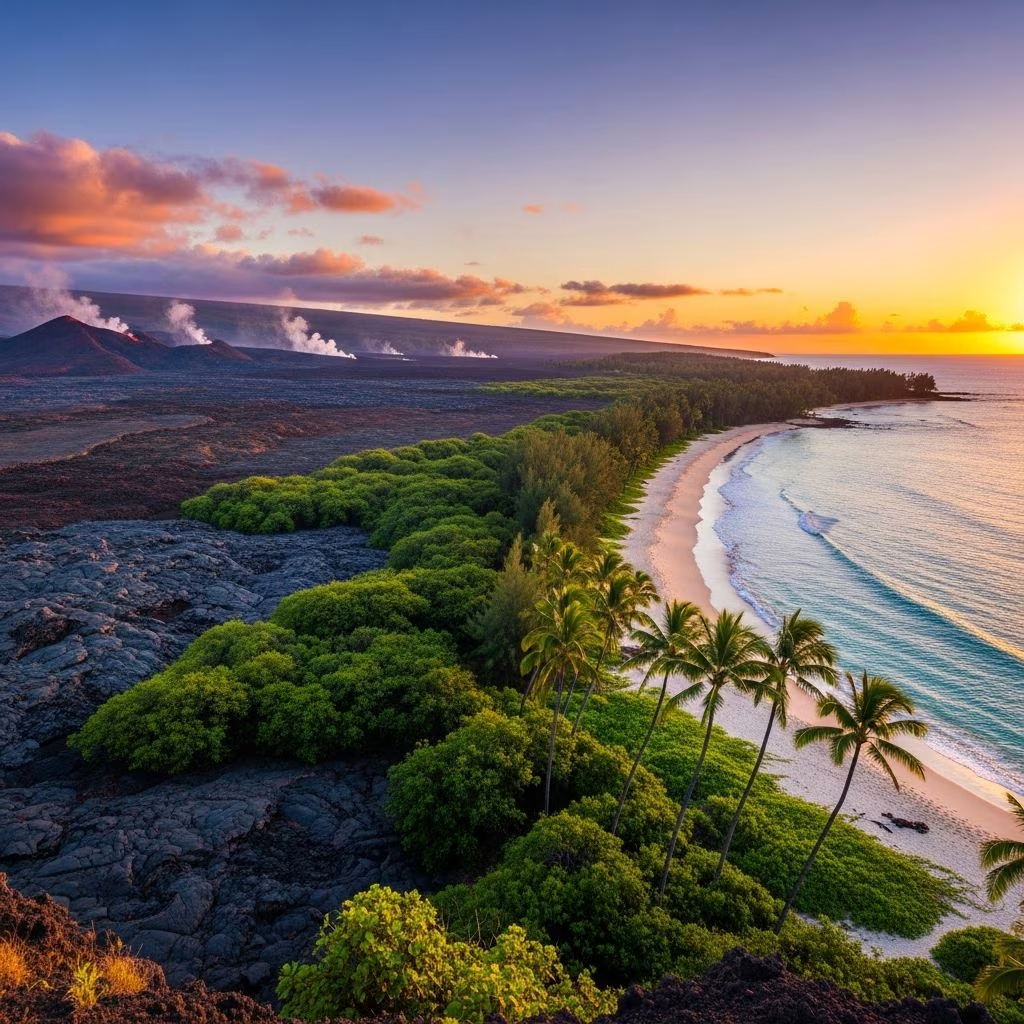
The Big Island of Hawaii stands out as an exceptional travel spot at this moment, offering a perfect blend of accessibility, affordability, and natural splendor. With visitor numbers dipping and pleasant conditions prevailing, it presents an optimal window for immersive exploration without the typical hustle.
This largest Hawaiian island captivates with its diverse landscapes, from active volcanoes to lush rainforests and pristine coastlines. Current timing aligns with shoulder periods—typically April-May and September-October—delivering reliable sunshine, reduced rainfall, and substantial savings on accommodations and flights. Temperatures hover comfortably between 75°F and 85°F, ideal for outdoor pursuits. Unlike peak summer or holiday rushes, pathways to iconic sites like Hawaiʻi Volcanoes National Park feel less congested, enhancing the sense of discovery.
Local economies benefit from this balanced influx, supporting sustainable tourism. Hotels report higher availability, often at 20-40% lower rates than high season, while rental cars remain plentiful without premium pricing. Marine conditions favor snorkeling and diving, with clear waters revealing vibrant reefs teeming with tropical fish and sea turtles.
Hawaii’s climate varies by micro-region, but the Big Island’s west and south coasts stay notably drier year-round. Shoulder months bring minimal precipitation—around 2-3 inches monthly—contrasted with winter’s 10+ inches on windward sides. Daytime highs average 82°F in September-October, cooling to 70°F at night, perfect for stargazing atop Mauna Kea.
| Month | Avg High (°F) | Rainfall (inches) | Crowd Level | Price Index |
|---|---|---|---|---|
| April-May | 81-83 | 2-4 | Low | Low |
| Sep-Oct | 82-84 | 1-3 | Low | Lowest |
| Dec-Feb | 78-82 | 8-15 | High | High |
| Jun-Aug | 83-86 | 1-2 | Peak | Peak |
This table summarizes key metrics, highlighting why transitional seasons outperform others for value and comfort. East-facing areas like Hilo receive more rain, but Kona and Kailua-Kona sides offer extended dry spells.
Traveling now unlocks significant financial perks. Airfares drop by up to 30% compared to July or December peaks, with major carriers offering deals from the mainland. Hotels in resort areas like Waikoloa or Kohala Coast list rooms from $200-350 nightly, versus $500+ in summer. Car rentals, essential for island navigation, average $50-70/day, avoiding holiday surcharges.
Booking 2-3 months ahead secures these rates, especially for groups opting for standard sedans over luxury 4x4s unless summiting Mauna Kea.
Fewer visitors mean shorter lines at must-sees. Chain of Craters Road in Volcanoes National Park allows leisurely lava field hikes without tour bus swarms. Black sand beaches at Punaluʻu host basking green sea turtles in solitude, while Pololu Valley’s rugged trail offers panoramic views uninterrupted by photo hordes.
Water-based adventures peak now: calm Kohala waters suit beginner snorkelers spotting dolphins, and visibility exceeds 100 feet for spotting eagle rays. Humpback whales migrate winterward later, but year-round residents like spinner dolphins entertain from shore or boat.
Hiking and Volcano Exploration: Trails like Kīlauea Iki remain passable with low humidity aiding endurance. Recent activity at Kīlauea caldera adds glowing night spectacles viewable safely from designated overlooks.
Beach and Water Sports: South Point’s natural arches and blowholes dazzle under clear skies, while Hapuna Beach’s white sands invite uncrowded lounging. Paddleboarding at Kealakekua Bay combines history (Captain Cook monument) with marine life sightings.
Astronomy on Mauna Kea: Crisp evenings facilitate world-class stargazing tours, where 13 telescopes reveal nebulae invisible from lower elevations.
The Big Island pulses with Hawaiian heritage year-round, amplified in quieter times. Merrie Monarch Festival (April) showcases hula mastery, while fall events like the Kona Coffee Cultural Festival highlight farm tours and tastings. Visit Puʻuhonua o Hōnaunau National Historical Park for insights into ancient kapu systems and sanctuary traditions.
Engage with locals at Hilo Farmers Market for fresh papaya, rambutan, and poi, fostering connections often lost in busier seasons. Luau experiences at places like Kalahuipuaʻa feel intimate, emphasizing storytelling and ʻuni (sea urchin).
Pack layers for elevation shifts—from sea-level heat to 4,000ft coolness. Sunscreen, reef-safe preferred, and sturdy shoes cover most needs. Rent a car for flexibility; public buses suffice minimally. Fly into Kona (KOA) for west-side base or Hilo (ITO) for east.
Rain risks exist, especially eastside, but apps like Hawaii Weather Today provide micro-forecasts. Hurricane season (June-Nov) peaks later, with low Big Island impact historically. Book flexible cancellations for peace of mind.
| Aspect | Big Island | Maui | Kauai |
|---|---|---|---|
| Best Shoulder Months | May, Aug-Sep | Apr-May, Sep-Oct | Apr-May, Aug-Oct |
| Top Draw | Volcanoes, Stars | Road to Hana, Whales | Na Pali Cliffs |
| Crowd Level Now | Low | Medium | Low-Medium |
| Avg Hotel Rate (Shoulder) | $250 | $350 | $300 |
The Big Island edges out for raw adventure and value.
Yes, with active monitoring of volcanic activity and standard precautions. Roads and attractions operate normally.
September-October offers the lowest rates across flights, stays, and cars.
No for most; standard cars handle paved roads fine. Reserve 4×4 for remote trails.
Shoulder seasons suit all ages with mild weather and space at beaches/parks.
Peak is Jan-Mar; opt for dolphins and turtles currently.
