

 Travel Essentials
 Travel Essentials

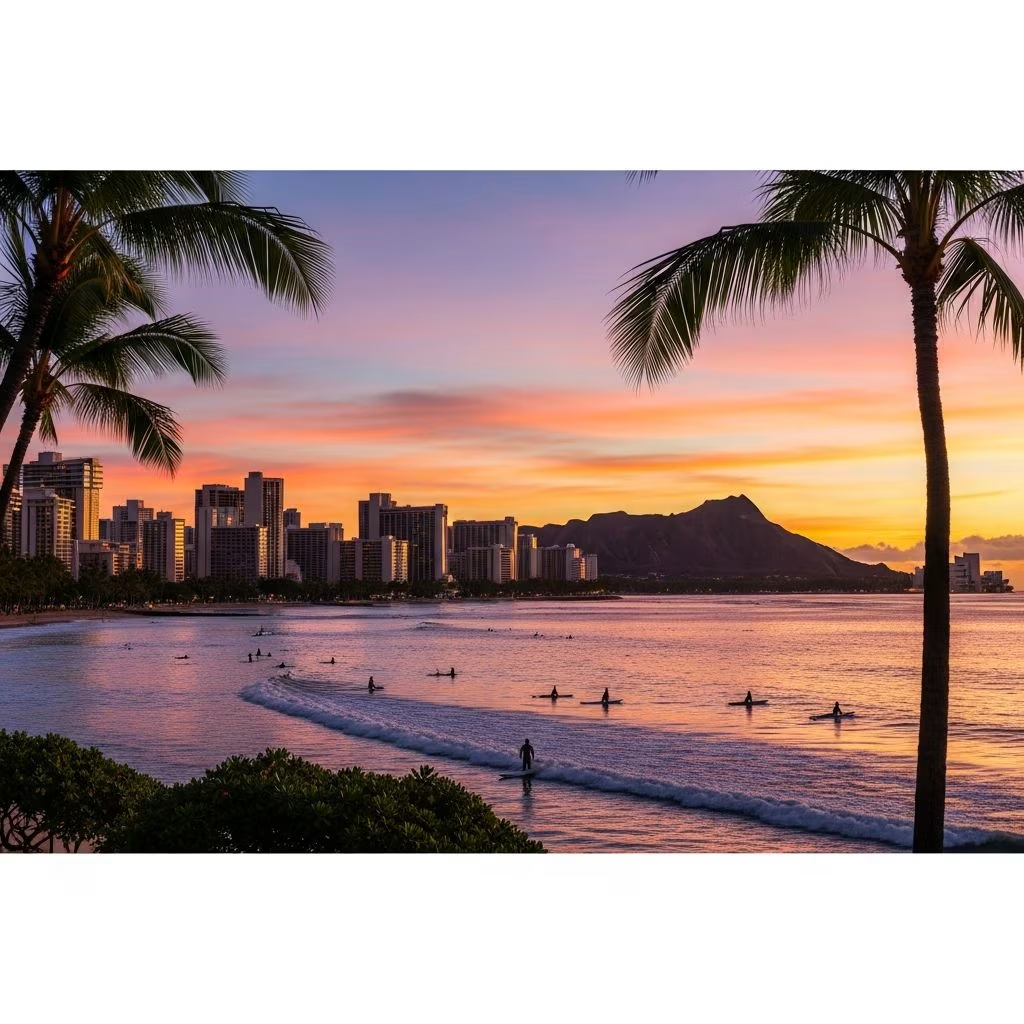
Plan your Honolulu trip for the best weather, fewer crowds, lower prices, and ideal conditions for beaches, hiking, snorkeling, and whales.
 Travel Essentials
Honolulu, the vibrant heart of Oahu, offers year-round appeal with its sunny beaches, cultural landmarks, and urban energy. The key to maximizing your experience lies in timing your visit to align with favorable conditions, reduced visitor numbers, and cost savings. Shoulder periods like late spring and early fall provide the ideal mix of warmth, low rainfall, and accessibility.
Honolulu enjoys a tropical climate influenced by trade winds, resulting in consistent warmth. Average daytime temperatures range from the low to mid-80s°F (27-29°C) throughout the year, with ocean waters staying swimmable at 75-80°F (24-27°C). The dry season spans April to October, featuring minimal precipitation, especially on the leeward side including Waikiki. Wet season from November to March brings occasional showers, typically short-lived and in the afternoons, without deterring outdoor plans.
Humidity remains moderate due to breezes, making even humid days comfortable. Nighttime lows dip to the mid-70s°F (23-25°C), rarely requiring more than light layers. For the sunniest stretches with negligible rain, target April through October, when clear skies dominate.
Late spring (April to early June) and early fall (September to mid-November) stand out as top choices. These windows deliver dry, balmy weather with temperatures in the mid-80s°F, calm seas for snorkeling, and significantly fewer tourists than peak summer or holidays.
These times allow easy access to popular sites like Diamond Head or Hanauma Bay without long waits, plus affordable flights from the mainland.
If beach-focused relaxation is your priority, June through August offers Honolulu’s hottest, driest weather. Highs reach the upper 80s°F with virtually no rain on south shores, perfect for Waikiki surfing or Ala Moana lounging. However, family vacations swell crowds, hiking prices and competition for beach space.
| Month | Avg High (°F) | Rain Days | Crowd Level |
|---|---|---|---|
| June | 85 | 3 | Medium |
| July | 87 | 2 | High |
| August | 88 | 2 | High |
Water activities thrive with warm currents, though north shore waves pick up for advanced surfers. Book early for value amid rising demand.
November to March shifts to wetter patterns, but Honolulu’s leeward areas stay mostly dry. This season shines for wildlife enthusiasts, as humpback whales migrate from Alaska, peaking January to March. Thousands calve in Hawaiian waters, viewable from shore or boat tours off Waikiki.
North Shore delivers massive surf from December to February, drawing pros to events like the Vans World Cup. Cultural highlights include Merrie Monarch Festival echoes and holiday lights. Temperatures hold steady, with brief showers adding lush greenery.
Honolulu’s calendar pulses with festivals influencing crowds and vibes. Time your trip around these for immersion:
Event periods boost energy but spike accommodations; shoulder alignments minimize overlap hassles.
Budget travelers thrive in April-June and September-mid-November, when airfares and hotels plummet 20-30% from peak. Midweek flights from West Coast hubs often dip under $300 round-trip, versus $500+ in summer. Resorts like those in Waikiki offer packages including car rentals at discounts.
| Season | Hotel Rate (per night) | Flight Savings | Best For |
|---|---|---|---|
| Peak Summer | $300-500 | Baseline | Families |
| Shoulder | $200-350 | 20-30% | Couples/Budget |
| Winter Peak | $250-450 | 10-20% | Whale Watchers |
Monitor deals post-holidays or pre-summer for optimal value.
Rain is rare and brief in dry months, but wet season packs potential for heavier downpours. Hurricanes are infrequent, with last major impact decades ago. Pack quick-dry clothes, reef-safe sunscreen, and check forecasts via NOAA for real-time updates.
Tailor your dates to pursuits:
September and October often yield the lowest rates with great weather.
Yes, ocean temperatures stay above 75°F constantly, ideal for swimming.
Showers occur but are short; south shores remain sunny most days.
Mid-April to early June or September to mid-November.
Mid-December to early April, peaking January-March.
Opt for shoulder seasons to ease pressure on reefs and trails. Choose eco-certified operators for whale watches, use reef-safe sunscreens, and support local eateries over chains. Public transit like TheBus reduces car dependency.
