

 Travel Essentials
 Travel Essentials

Unlock the best seasons for Westfjords: winter Northern Lights, shoulder months for solitude, and summer peaks for hiking and wildlife. Plan your trip with seasonal insights.
 Travel Essentials
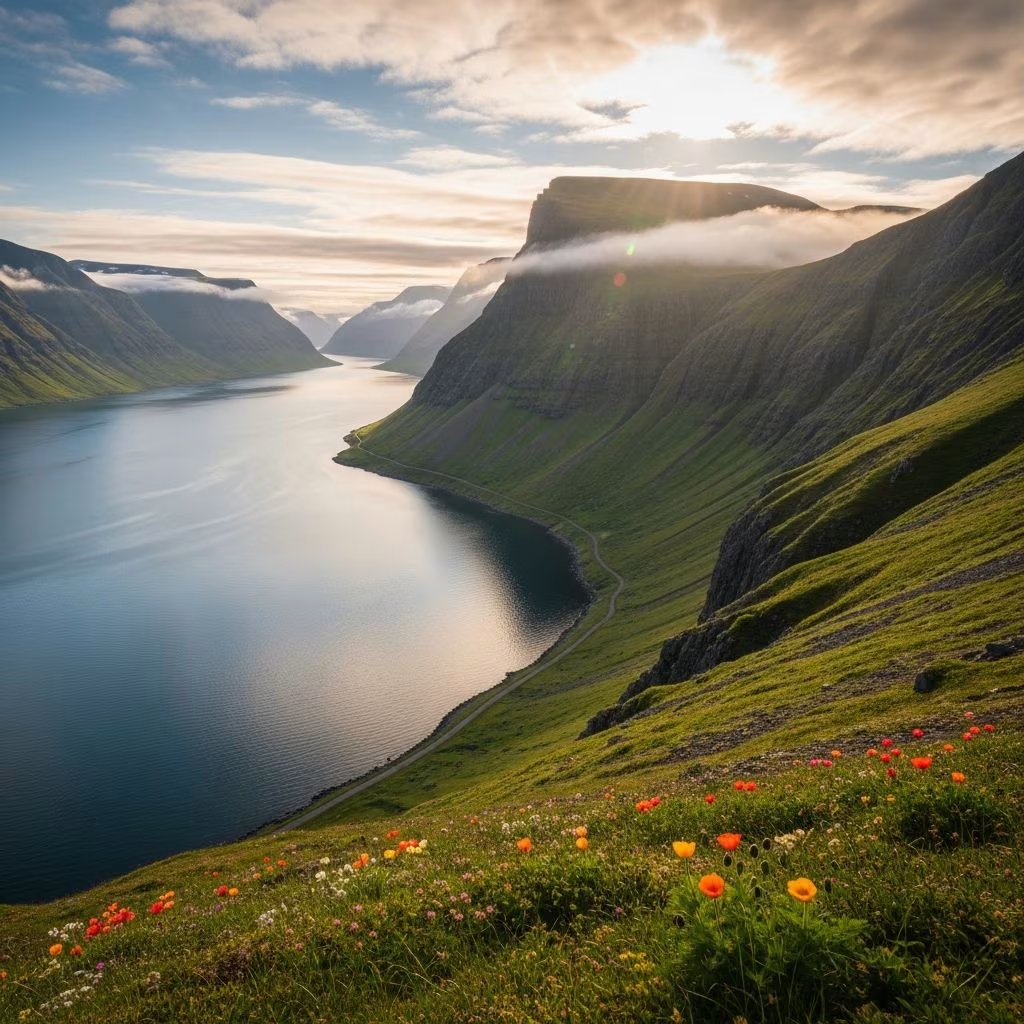
The Westfjords region of Iceland stands out for its rugged coastlines, towering cliffs, and profound isolation, offering unique experiences tied closely to the seasons. Unlike more accessible parts of Iceland, this area demands careful timing due to harsh winters and fleeting summers. This guide breaks down the ideal periods for different pursuits, drawing from regional weather patterns, road conditions, and natural spectacles to help you choose wisely.
From late fall through early spring, the Westfjords transform into a frozen paradise, ideal for those seeking solitude and celestial displays. This low season brings heavy snowfall, icy roads, and potential isolation for remote villages, yet it rewards hardy travelers with unparalleled beauty.
Prime Attraction: Northern Lights Viewing
The aurora borealis dances vividly against clear, dark skies from October to April, when long nights provide optimal conditions. Unlike shoulder months, this period maximizes visibility as daylight shrinks to mere hours. Visitors often report stunning displays visible even from coastal spots near Ísafjörður.
Winter Activities and Challenges
Snowshoeing, cross-country skiing, and ice explorations thrive in vast, empty landscapes. Flights to Ísafjörður or Bíldudalur remain options when roads close. However, driving requires 4WD vehicles, snow tires, and chains—many passes become impassable. Expect overnight freezes and 10-12 snowy days monthly in peak winter.
| Month | Avg Temp (°C) | Daylight Hours | Key Risks |
|---|---|---|---|
| October | 0-5 | 8 | Early snow, road closures |
| December-Jan | -5 to 0 | 4-5 | Heavy snow, isolation |
| March-April | -2 to 4 | 10-12 | Melting ice, avalanches |
May signals renewal as snow recedes from lower elevations, unveiling trails and waterfalls in full spate. With thaws beginning, wildflowers carpet hillsides, and bird colonies activate along cliffs— a serene prelude to summer crowds.
Temperatures hover around 5-10°C, with increasing daylight (up to 18 hours). Roads like those to Dynjandi waterfall open progressively, though higher passes may linger under snow. Birdwatching peaks with nesting arctic terns and eiders.
High season unleashes the Westfjords’ full potential, with all ferries running, mountain roads accessible, and 24-hour daylight in June. Temperatures reach 10-12°C, strong sun demands sunscreen despite the chill.
Midnight Sun Magic in June
Perpetual light fuels epic hikes in Hornstrandir Reserve (boat access only) and photography with endless golden hours. Trails to Látrabjarg cliffs buzz with puffins waddling ashore.
July’s Wildlife Bonanza
Whale watching thrives offshore—humpbacks, minkes, and orcas from February-June extend into summer. Sea kayaking, mountain biking, and Vigur Island puffin visits peak. Wildflowers bloom vibrantly.
August Wind-Down
Still ample daylight (18-20 hours), but subtle cooling hints at fall. Book ahead for Ísafjörður accommodations as ‘relative’ crowds arrive.
| Activity | Best Month | Why? |
|---|---|---|
| Hiking | June-Aug | Open trails, long days |
| Whale Watching | May-Oct (peak Jul) | Fish-rich waters |
| Puffins | Jun-Aug | Nesting season |
As summer fades, September offers crisp air, fewer visitors, and early aurora hints. Temperatures drop to 5-8°C, with first snow possible late-month. Trails empty out for contemplative walks; kayaking and guided photography tours persist.
Ferries and roads remain open, but pack for rain. It’s a sweet spot for whale spotting into October.
Transportation: Summer: Drive or ferry freely. Winter: Fly domestically or brave 4WD.
Packing Essentials:
Accommodations: Book summer stays early; winter guesthouses plentiful but basic.
Safety: Monitor road.is for closures, vedur.is for weather. Avalanche risks high in winter/spring.
Parts open by late May, but check conditions—restaurants in Ísafjörður operate.
Possible on clear nights, but October-April better.
July-August: Mild weather, puffins, whales.
Flights yes; driving risky—opt for tours.
May-October peak; orcas early summer.
Whether chasing lights or fjord treks, timing elevates your Westfjords journey. Align your passions with these seasonal rhythms for an unforgettable escape.
