

 Travel Essentials
 Travel Essentials

Unlock the best periods to visit Ireland with insights on weather patterns, crowd levels, pricing, and seasonal highlights across spring, summer, fall, and winter.
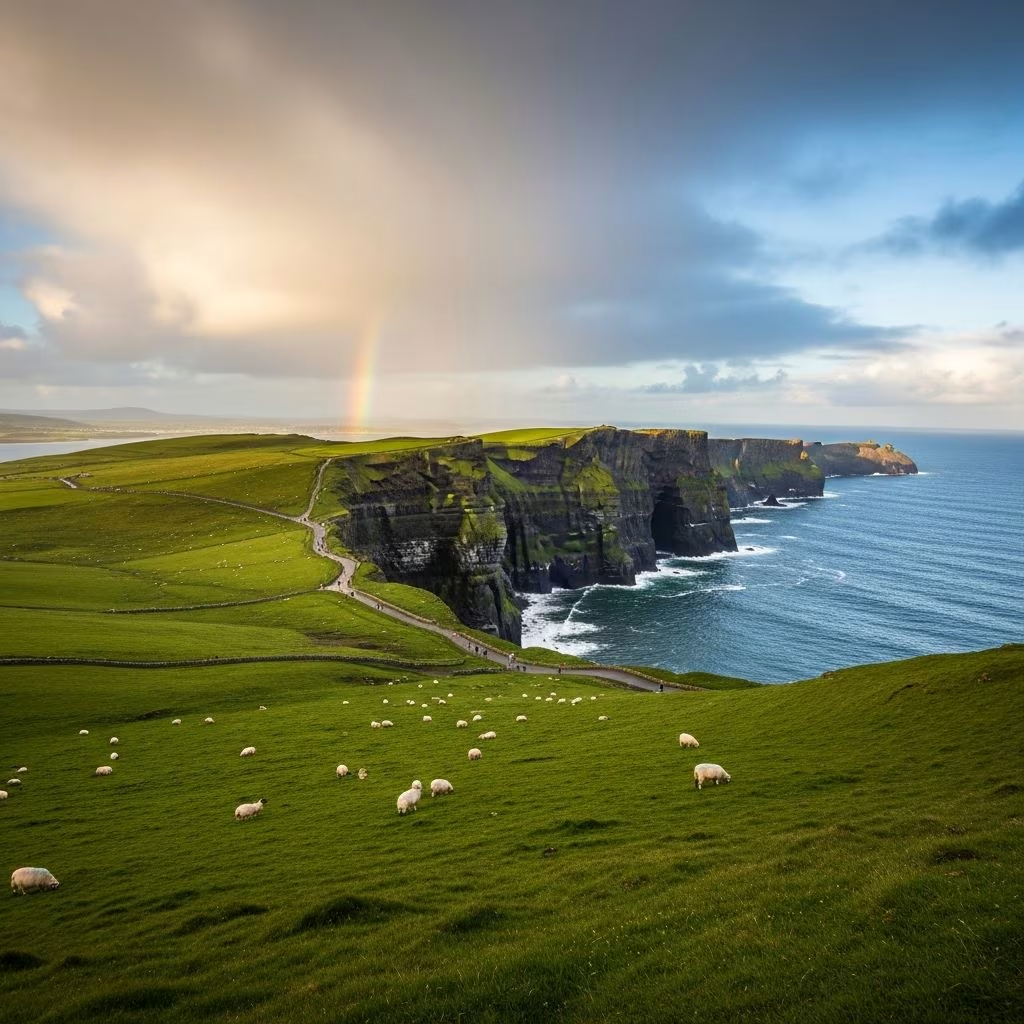 Travel Essentials
Ireland’s allure lies in its ever-changing landscapes, vibrant culture, and welcoming spirit, but choosing the right time to visit can transform your trip. Whether you seek blooming wildflowers, festival energy, crisp harvest hikes, or cozy pub winters, each season offers distinct advantages. This guide breaks down the pros and cons of visiting throughout the year, helping you align your preferences with Ireland’s dynamic climate and events calendar.
Ireland experiences a temperate maritime climate influenced by the Atlantic Ocean, resulting in mild temperatures year-round but frequent rain. Average highs range from 50°F in winter to 65°F in summer, with daylight varying dramatically—from 8 hours in December to 17 in June. Shoulder periods like late spring and early fall often provide the sweet spot: comfortable conditions without peak-season hassles.
Factors to consider include:
Spring heralds renewal with green fields bursting into life. March can feel wintry with rain and winds, but by April and May, conditions improve markedly. Expect highs of 55-60°F, blooming landscapes, and emerging lambs dotting hillsides—ideal for scenic drives along the Wild Atlantic Way.
May stands out as a prime choice for balanced experiences. Mild weather (around 60°F), extended daylight (up to 16 hours), and pre-summer pricing make it perfect for hiking the Cliffs of Moher or touring Ring of Kerry without mobs. Tourist sites operate fully, yet accommodations remain 20-30% cheaper than July peaks.
| Month | Avg High (°F) | Daylight (hrs) | Crowds | Key Draws |
|---|---|---|---|---|
| March | 52 | 12 | Low | St. Patrick’s Day parades |
| April | 56 | 14 | Low-Med | Wildflowers, budget deals |
| May | 60 | 16 | Medium | Blooming countryside, festivals |
Drawbacks include occasional showers, so pack layers and waterproof gear. Smaller rural B&Bs might still be seasonal.
Summer delivers Ireland’s most reliable warmth and light, with June often cited for settled skies and 64°F averages—lowest rainfall of the year. Days stretch to 17 hours, perfect for midnight golf or late-evening pub crawls in Galway. Festivals abound: Galway International Arts Festival (July), Pan Celtic Festival (Kilkenny, August), and traditional music sessions everywhere.
However, this is high season. Dublin, Cork, and Belfast swell with tourists, including cruise crowds at Cobh. Book hotels, tours, and Cliffs tickets months ahead—prices jump, and lines form at Giant’s Causeway. If solitude is key, opt for weekdays or lesser-known spots like the Burren.
For families or first-timers craving energy, June edges July-August for slightly fewer people post-school start.
Fall transitions Ireland into golden hues, with September and October as top shoulder-season picks. Tourist numbers drop as schools resume, slashing crowds at popular sites. September offers lingering summer warmth (60°F), long days, and cheaper flights; October brings crisp, sunny spells ideal for hiking Slieve League or foraging in Connemara.
November shifts to off-season coziness. Shorter days (9 hours) suit city escapes: Dublin’s Christmas markets, Cork’s jazz vibes, or Belfast’s festive lights. Rural attractions may close, but urban energy thrives with lower rates—hotels 40% off peak.
| Month | Avg High (°F) | Daylight (hrs) | Crowds | Key Draws |
|---|---|---|---|---|
| September | 60 | 13 | Medium | Fall colors, harvest festivals |
| October | 57 | 11 | Low | Hiking, fewer lines |
| November | 52 | 9 | Very Low | Markets, city breaks |
Rain increases, but it’s often lighter than winter. This period suits photographers capturing misty moors.
Winter wraps Ireland in quiet magic. Coldest months (45-50°F) feature short days and frequent rain, but fewer tourists mean intimate experiences. Budget travelers rejoice: flights dip 50%, B&Bs offer steals. Embrace indoor charms—Dublin’s Temple Bar storytelling, Belfast’s Titanic museum without queues, or fireside trad sessions.
Holidays sparkle: New Year’s in Galway, St. Stephen’s Day hunts, February’s Celtic festivals. Rural roads can be slick, and some coastal paths close, but cities pulse. Pack thermals for windswept walks at Skellig Michael views (boat-dependent).
Match seasons to passions:
Climate change adds variability—recent Octobers have been drier—but historical patterns hold. Check Met Éireann forecasts closer to travel.
Ireland’s microclimates demand versatility: breathable layers, Gore-Tex jacket, sturdy boots, hat/gloves year-round. Apps like Windy or Met Éireann provide hyper-local updates. Book via official tourism sites (ireland.com) for deals. Drive on left; rural rentals best outside cities.
Visas: EU free; others 90-day Schengen-like. Currency: Euro. Sustainability tip: Support local via farm stays, low-emission trains.
May, September, or October offer mild weather, long days, and low crowds.
Yes, up 50%; shoulder seasons save significantly.
Absolutely—great for budgets and holidays, focus on cities.
200+ rainy days yearly, but showers are short; west wetter than east.
June-September for Titanic Quarter; winter markets.
