

 Travel Essentials
 Travel Essentials

Complete guide to Italy's four seasons with temperature ranges, crowd levels, and activity recommendations for every traveler type.
 Travel Essentials
Italy remains one of the world’s most visited destinations, attracting millions of travelers each year seeking authentic experiences, world-class cuisine, and breathtaking landscapes. However, not all times of year offer the same experience. Understanding Italy’s seasonal variations—from temperature fluctuations to tourist density—allows travelers to align their trip with their priorities, whether that’s avoiding crowds, experiencing pleasant weather, enjoying specific cultural events, or maximizing their budget.
Before selecting a travel date, consider what matters most to your Italian adventure. Are you primarily interested in sightseeing and exploring cultural landmarks? Do you prefer outdoor activities like hiking and cycling? Are food and wine experiences central to your plans? Perhaps you’re traveling on a tight budget and need to minimize expenses? Or do you simply want to experience authentic Italian daily life rather than tourist-heavy environments? Different seasons cater to different priorities, and understanding these distinctions ensures your trip aligns with your expectations.
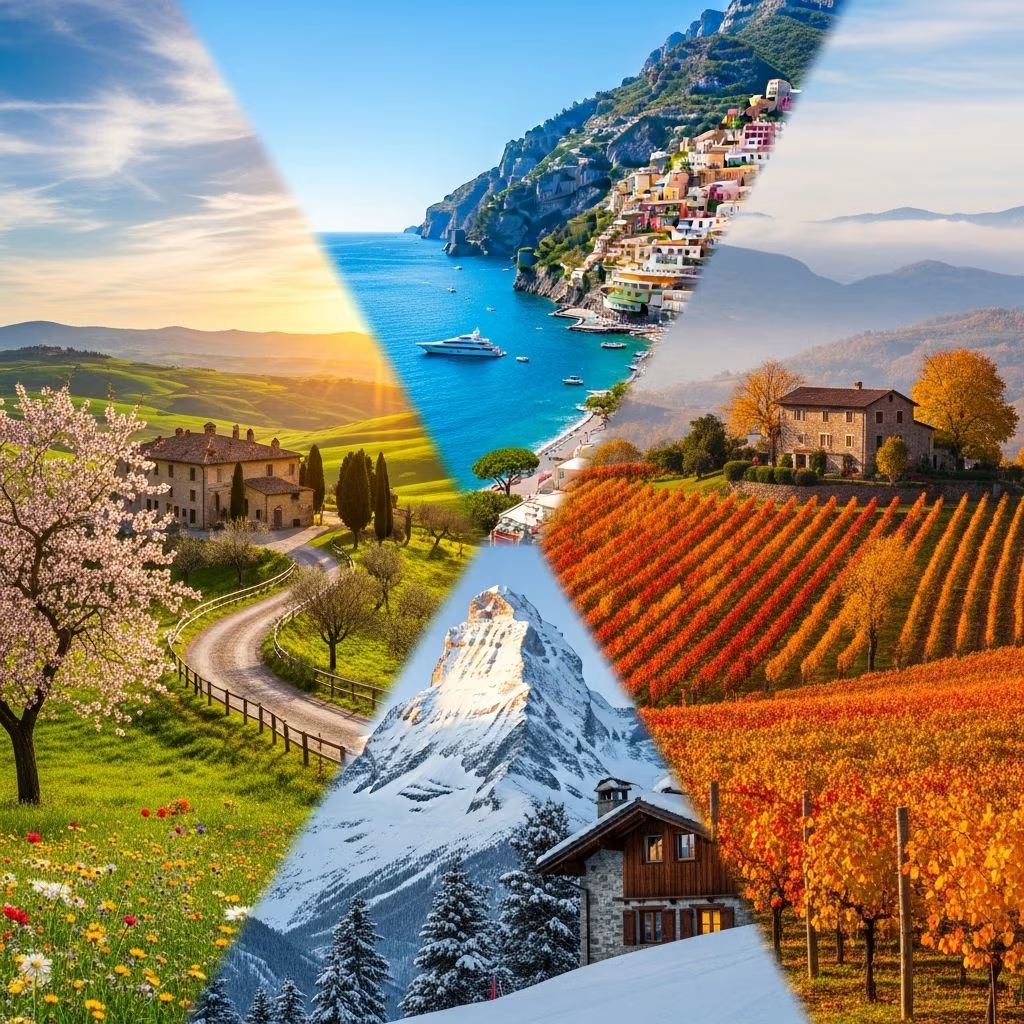
Spring represents a transition period that many seasoned travelers consider ideal for visiting Italy. During these months, the country undergoes a visible transformation as temperatures gradually climb and the countryside erupts with color.
Spring temperatures typically range from 15–25°C (59–77°F), creating comfortable conditions for extended outdoor exploration. The weather remains generally dry and sunny, though occasional spring showers are still possible, particularly in April. This unpredictability requires packing layers and a light rain jacket, but it rarely disrupts travel plans significantly.
Spring brings several distinct advantages for travelers. Wildflowers blanket Tuscan hillsides and Umbrian valleys, creating spectacular photography opportunities and natural beauty. Cities like Rome, Florence, and Venice experience what many consider their most pleasant period—lively without being overwhelming. Museums and cathedrals see lighter visitor traffic compared to summer months, allowing for more intimate encounters with masterpieces.
Summer represents Italy’s high season, characterized by maximum tourist influx, peak temperatures, and vibrant cultural programming. This period demands careful planning if you’re seeking value or authentic local experiences.
July and August are Italy’s hottest months, with temperatures frequently exceeding 30°C (86°F) and sometimes reaching 35°C (95°F) or higher in southern regions like Sicily. Popular cities and coastal areas become extraordinarily crowded, with popular attractions experiencing extended queues and overcrowding. August presents a particular paradox: while many visitors arrive seeking the quintessential Italian summer experience, locals traditionally depart for vacation, leaving cities feeling less authentically Italian.
Despite these challenges, summer offers genuine advantages for specific travelers. Beach enthusiasts will find warm, inviting Mediterranean waters and coastal festivals. Those with limited vacation time constrained to school breaks or traditional summer holidays have no alternative. Festival enthusiasts can access lively summer celebrations and outdoor performances throughout the country.
Travelers visiting during summer should consider less-known trails and towns to escape crowds. Instead of spending July in central Rome during peak heat, explore smaller Tuscan villages. Rather than overcrowded Cinque Terre beaches, discover quieter coastal villages along the Amalfi Peninsula. Wake early to visit major attractions before 10 a.m., when crowds reach overwhelming levels. Travel between regions during midday heat rather than competing with crowds at popular sites.
Many travel experts identify autumn as Italy’s most underrated season, offering an optimal balance of favorable weather, manageable crowds, and rich cultural experiences.
Early autumn, particularly September, provides ideal weather conditions with warm daytime temperatures and cooler evenings. The season transitions gradually, maintaining comfortable conditions while summer crowds begin dispersing. The golden light that photographers and artists cherish becomes particularly stunning during late afternoon hours, creating magical conditions for exploring cities and countryside alike.
October frequently emerges as Italy’s single best travel month. The chaos of high season fades considerably, yet warm weather lingers—especially across southern regions—with mild temperatures ranging from 10–23°C (50–73°F). Cities like Rome, Florence, and Venice buzz with activity without reaching summer’s saturation point. Countryside escapes feel genuinely relaxing rather than crowded.
Autumn transforms into harvest season, presenting unparalleled opportunities for food and wine enthusiasts. Vineyards enter their most vibrant phase as grapes reach maturity. Truffle festivals celebrate autumn foraging traditions. Olive and grape harvests proceed throughout the region, and many agritourism properties welcome visitors to participate in traditional harvest activities. Wine lovers particularly favor autumn for vineyard tours and tastings when the harvest concludes and new vintages are being processed.
November presents distinct regional differences. Northern Venice experiences acqua alta (seasonal flooding), creating challenges for navigation, though some travelers find the misty, mysterious atmosphere uniquely enchanting. Southern coastal regions maintain pleasant temperatures suitable for beach exploration and water activities. Overall, November begins trending toward the quieter winter season while often maintaining comfortable temperatures in many regions.
Winter is frequently overlooked as a travel season, yet it offers distinct advantages for specific travelers and budget-conscious visitors.
Winter months, particularly November and February, represent the cheapest times to visit Italy. Hotel rates drop significantly, restaurants operate without reservation requirements, and attractions experience minimal visitor congestion. This period allows for genuine interactions with locals who aren’t accustomed to accommodating massive tourist volumes.
Winter tourism centers on specific attractions unavailable during other seasons. The Alps and Dolomites offer exceptional snowshoeing and cross-country skiing opportunities. December brings celebrated Christmas markets and holiday festivities throughout major cities. Venice’s famous Carnival festivities, typically occurring in February, transform the city into a masked celebration that captures unique cultural traditions.
Winter temperatures vary dramatically by region. Northern Italy experiences genuine winter with potential snow and temperatures dropping below freezing. Central regions like Tuscany maintain mild conditions suitable for exploration. Southern coastal areas rarely experience freezing temperatures, though rainfall increases and daylight hours diminish.
Late spring (April to June) and early autumn (September to October) offer ideal conditions with temperatures maintaining 17–27°C (63–81°F). These periods allow comfortable wandering through the Colosseum, Vatican Museums, and Trastevere neighborhoods without summer’s scorching intensity. Shoulder season crowds remain manageable while piazzas maintain authentic vibrancy.
Spring before July’s tourist surge and autumn offer optimal conditions. Tuscany’s countryside shines with particular radiance during late spring (April to June) when temperatures reach 15–25°C (59–77°F) and rolling hills display vivid green. Autumn provides equally compelling conditions with harvest activities and fewer visitors.
Venice demonstrates seasonal magic during April–May and September–October with temperatures of 15–25°C (59–77°F) and substantially fewer crowds. Summer months (June–August) bring heavy tourism, high humidity, and elevated water levels that can compromise the romantic experience. Winter offers quietness, though November’s acqua alta can challenge exploration, while February’s Carnival period transforms the city into spectacle.
Sicily flourishes during May–June and September–October when temperatures range from 20–28°C (68–82°F), allowing exploration of Palermo, Taormina, and Mount Etna without extreme summer heat. July and August exceed 35°C (95°F) with crowded beaches. Spring offers wildflowers while autumn provides grape and olive harvests.
The Amalfi Coast experiences overtourism pressures between April and September. While these months deliver postcard-perfect imagery and Instagram-worthy vistas, winter visits reveal the region’s authentic character. Though some establishments close seasonally, sufficient local operations maintain the villages’ living character, presenting an opportunity to experience the coast’s true nature beyond tourist infrastructure.
October frequently emerges as Italy’s optimal month, combining favorable weather (10–23°C), manageable crowds, and continued warm temperatures—particularly in southern regions. May represents the alternative best month, offering late spring warmth (18–25°C) and beauty before peak summer crowds arrive.
November, February, and early spring (March) experience the lightest visitor volumes. Winter periods offer authentic local experiences without tourist infrastructure saturation.
Spring and autumn provide ideal conditions for hiking and cycling vacations. April through June and September through October deliver comfortable temperatures and spectacular scenery without summer heat extremes.
Spring and summer host numerous cultural festivals. Winter brings Christmas markets and February’s Venice Carnival. Autumn celebrates harvest festivals and wine-related events throughout wine regions.
November and February typically offer the lowest prices for accommodations and dining. Winter generally provides better budget rates across all tourism sectors.
Selecting the optimal timing for your Italian adventure requires balancing multiple factors: desired weather conditions, crowd tolerance, budget constraints, activity preferences, and cultural interests. Spring offers renewal and manageable tourism. Summer provides warmth and festivals despite higher costs and crowds. Autumn delivers optimal weather with harvest experiences. Winter suits budget travelers and specific seasonal activities. By aligning these seasonal characteristics with your personal priorities, you can design an Italian experience that truly matches your expectations and preferences, ensuring memories that resonate long after your return home.
