

 Travel Essentials
 Travel Essentials

Unlock the best times to visit Jackson Hole based on seasons: spring wildlife, summer adventures, fall foliage, and winter sports. Tailor your trip for ideal weather and fewer crowds.
 Travel Essentials
Jackson Hole, nestled in Wyoming’s dramatic Teton Range and part of the Greater Yellowstone Ecosystem, shifts its personality with each season. Whether you crave powder-covered slopes, blooming meadows filled with wildlife, sun-drenched trails, or fiery autumn landscapes, timing your visit unlocks unique experiences. This guide breaks down monthly highlights, weather patterns, crowd levels, and top pursuits to help you choose the right window for your adventure.
The valley’s high elevation and mountain surroundings create distinct seasonal rhythms. Winters pile up over 400 inches of snow annually, fueling world-class skiing. Springs awaken with calving season and melting snows. Summers deliver long days for exploration, while falls paint the hills in gold. Factors like weather variability, park road openings, and visitor numbers influence the ideal period. Shoulder seasons often mean milder temps, active animals, and budget-friendly stays.
As snow recedes from late March, Jackson Hole enters a transitional phase with daytime highs of 35-70°F and chilly nights around 30°F. This quieter period suits those avoiding crowds while witnessing nature’s rebirth.
May stands out for newborn animals and greening valleys, blending crisp air with emerging wildflowers. Pack layers for sudden showers, but enjoy 60°F days perfect for exploration without summer heat.
June through August brings Jackson Hole’s warmest weather, with highs of 70-85°F+, long daylight hours, and vibrant ecosystems. It’s the busiest stretch, ideal for high-energy pursuits amid stunning backdrops.
| Month | Avg High (°F) | Key Activities | Crowd Level |
|---|---|---|---|
| June | 70-75 | Wildflowers, early hikes, river floats | Moderate |
| July | 80-85 | Peak hiking, biking, park tours | High |
| August | 78-84 | Wildlife at dawn/dusk, water sports | High |
June offers a sweet spot: blooming lupines and paintbrush carpet meadows, wildlife remains visible before heat drives them higher, and crowds haven’t peaked. July’s clear rivers invite rafting on the Snake, while trails to Hidden Falls or Cascade Canyon buzz with hikers. Afternoon thunderstorms add drama but rarely derail plans. Book ahead for campsites and lodges, as Grand Teton and Yellowstone draw families.
Early mornings yield the best wildlife views—grizzlies foraging berries, bison herds crossing valleys. Evenings glow with alpenglow on the Tetons. For variety, try paragliding, horseback rides, or gondola ascents at Jackson Hole Mountain Resort.
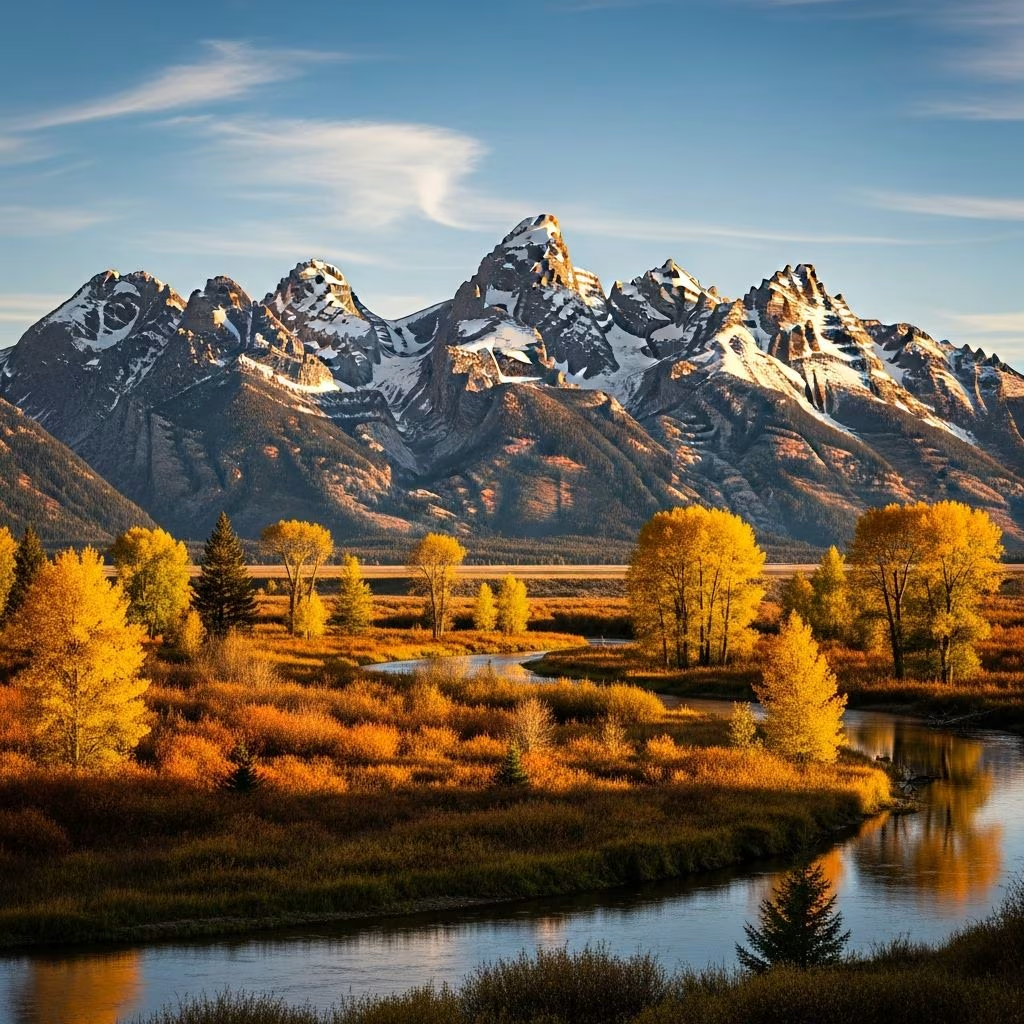
Fall delivers crisp 45-75°F days, reliable sunshine, and a slowdown after summer. It’s photography heaven with aspen groves turning golden and cottonwoods along rivers glowing yellow.
October pivots toward winter hints, with cooler evenings inviting stargazing. It’s prime for solitude-seekers savoring harvest festivals and local flavors like huckleberry treats.
Jackson Hole’s marquee season dumps heavy snow, transforming the valley into a skier’s dream. Expect highs of 20-35°F, deep powder, and festive vibes.
Jackson Hole Mountain Resort boasts 4,139 vertical feet and legendary terrain. Snow King and Snowboarders of Jackson Hole cater to all levels. Beyond slopes:
January and February offer consistent base depths over 100 inches. Direct flights ease access, though holidays spike crowds. Shoulder winter months like December or March provide powder with fewer lift lines.
Spring stirrings mix with ski season tail. Low crowds, variable snow.
Mud season: Wildlife active, trails opening, off-peak deals.
Calving peak, park prep, mild hikes.
Wildflower magic, balanced crowds.
Full summer throttle, thunderstorm excitement.
Berry season, persistent warmth.
Rut and colors ignite the valley.
Fall extension, pre-winter calm.
Early snow, quiet transition.
Powder paradise, holiday buzz.
April, May, and late October offer the lowest rates and thinnest crowds.
It’s building but milder than July-August, with superior wildflowers.
Yes, prime in September on refuge edges and park meadows.
Average 400+ inches annually, peaking mid-winter for epic skiing.
Roads close winter; full access May-October typically.
Wildlife lovers prioritize spring births or fall ruts. Hikers and rafters target June-July. Photographers chase June blooms or September golds. Skiers own December-March. Shoulder months blend perks across categories. No wrong choice—Jackson Hole rewards every calendar spot with raw beauty and adventure.
