

 Travel Essentials
 Travel Essentials

Unlock the best periods to visit Japan, from cherry blossom springs to colorful autumns, including weather patterns, peak seasons, and tips for every region.
 Travel Essentials
Japan offers diverse experiences throughout the year, with each season bringing unique weather, festivals, and natural spectacles that appeal to different traveler preferences. The most favorable periods generally fall in late spring and autumn, when mild temperatures and scenic beauty coincide, though winter and summer provide their own distinct charms like snow sports and beach escapes.
Japan’s climate varies significantly by region due to its archipelago geography, stretching from subtropical Okinawa in the south to subarctic Hokkaido in the north. Temperate conditions dominate central areas like Tokyo and Kyoto, featuring four distinct seasons. Late spring (March to May) and autumn (October to November) stand out for comfortable weather, with average highs of 15-22°C (59-72°F) and low humidity, ideal for outdoor exploration.
Summer (June to August) brings heat, humidity, and frequent rains, while winter (December to February) delivers cold snaps and snow in northern and mountainous zones. Regional differences mean cherry blossoms might bloom in late March in Tokyo but early May in Sapporo. Planning around these patterns ensures optimal enjoyment of sites like temples, hikes, and urban adventures.
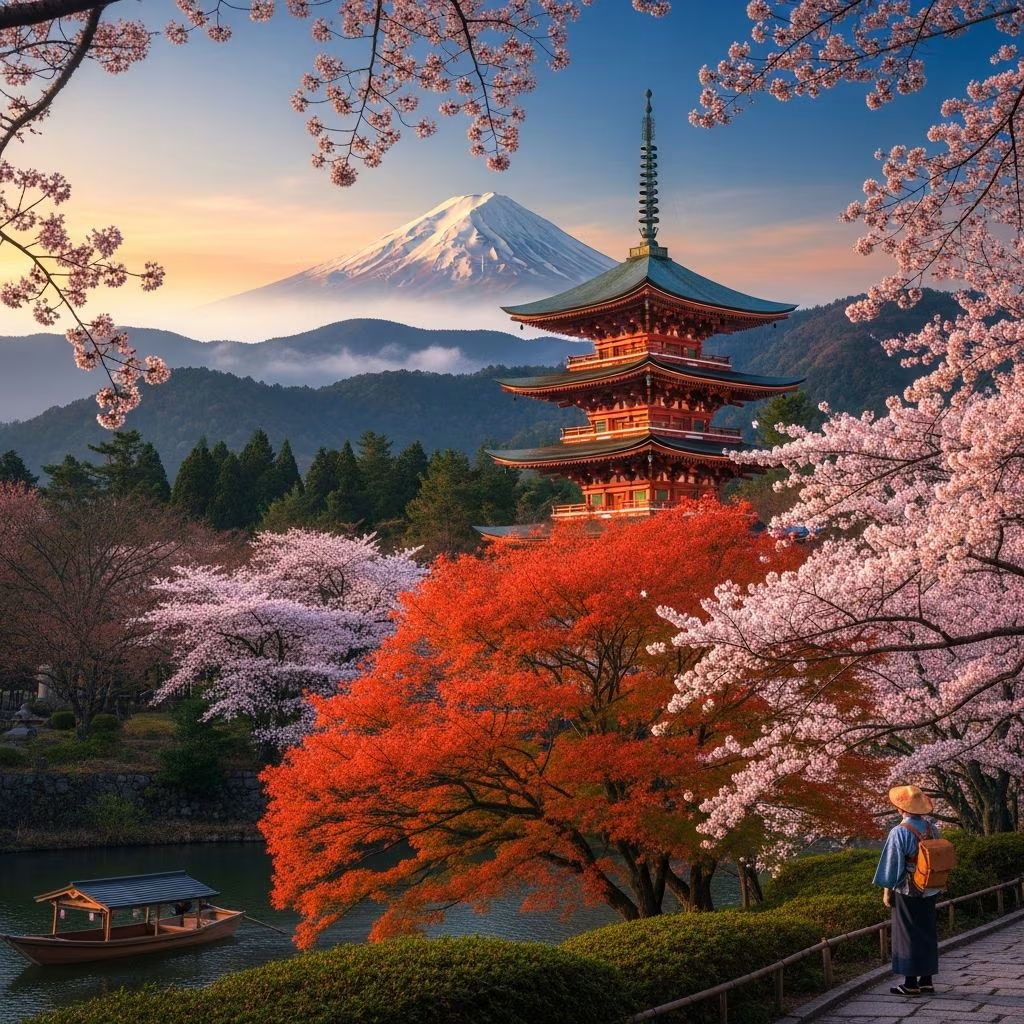
Spring transforms Japan into a pastel wonderland, particularly renowned for sakura (cherry blossom) viewing, or hanami. From late March to early May, delicate pink blooms blanket parks, riversides, and mountains, drawing picnickers under petal showers. Temperatures rise gradually from 10-20°C (50-68°F), with crisp mornings calling for layers.
Post-bloom May offers lush greenery and fewer tourists, with comfortable 20-25°C (68-77°F) days perfect for hiking Mount Fuji or exploring Hakone’s lakes. Pack light jackets for evenings and rain gear for occasional showers.
Though hot and humid, summer pulses with energy through matsuri (festivals) and verdant landscapes. June’s rainy season (tsuyu) varies regionally—early May in Okinawa, mid-June in Tokyo—with heavy downpours giving way to steamy July-August highs of 30-35°C (86-95°F).
Light, breathable clothing, hats, and umbrellas are essentials. While not peak for sightseeing due to crowds and heat, it’s vibrant for cultural immersion.
Autumn rivals spring for popularity, with koyo (fall foliage) painting hills in crimson, orange, and gold from mid-October to late November. Cool, dry weather (10-20°C or 50-68°F) enhances hikes through ancient forests and temple grounds.
This shoulder season balances scenery and manageability, though weekends fill up fast. Layered outfits suit variable days.
Winter quiets the crowds, blanketing Japan in frost and inviting introspective travels. December to February sees Tokyo averages of 5-10°C (41-50°F), with snow dusting cities and piling deep in Hokkaido and the Japan Alps.
Short days (sunset ~5 PM) and bare landscapes suit indoor pursuits like museums and kaiseki dining. Sunny spells prevail in the south.
Japan’s north-south span demands tailored timing. The table below highlights prime months per destination:
| Region/Destination | Best Months | Highlights |
|---|---|---|
| Tokyo | March-May, Oct-Nov | Cherry blossoms, foliage, mild weather |
| Kyoto | March-May, Oct-Nov | Temples amid sakura and koyo |
| Hokkaido | Dec-Feb (winter), May (blossoms) | Skiing, late sakura |
| Osaka | March-May, Oct-Nov | Festivals, food scenes |
| Hakone | March-May | Spring lakeside views, onsen |
| Nagano | March-May, Dec-Feb | Hikes, snow monkeys |
| Fukuoka | May-Oct | Milder summers, beaches nearby |
| Mt. Fuji | July-mid Sep | Climbing season |
| Okinawa | June-Oct | Beaches, diving |
This guide helps align trips with local peaks.
Peak spring and autumn mean advance reservations—book shinkansen tickets and ryokans 6-12 months ahead for sakura or koyo. Golden Week and Obon (August) spike domestic travel. Opt for shoulders like late April, mid-May, early December, or February for 30-50% fewer visitors and better rates.
Versatile pieces accommodate regional swings.
April for cherry blossoms or November for foliage, balancing weather and sights, though expect crowds.
Yes, accommodations rise 20-50%; book early or choose off-peak for savings.
No, but southern Okinawa blooms in January-February; track forecasts via apps.
Peak August-September; monitor JMA warnings and have flexible itineraries.
Absolutely—ski resorts, illuminations, and uncrowded sites delight all ages.
Combine seasons for multi-region trips: spring in Kyoto-Tokyo, summer Okinawa, autumn Hokkaido, winter Nagano. Use JR Pass for efficient rail travel. Apps like Hyperdia aid scheduling, while weather sites (e.g., Japan Meteorological Agency) provide real-time updates. Sustainable practices—respect hanami etiquette, use public transit—enhance experiences.
Whether chasing petals, leaves, snow, or sun, Japan’s seasonal rhythm ensures memorable journeys year-round.
