

 Travel Essentials
 Travel Essentials

Discover when to visit Japan based on weather, crowds, and seasonal attractions. Learn about each season's advantages and plan your ideal trip.
 Travel Essentials
Japan presents distinct seasonal experiences throughout the year, with each period offering unique characteristics that appeal to different types of travelers. Understanding Japan’s seasonal variations helps travelers align their visit with their preferences regarding weather, cultural events, and crowd levels. This comprehensive guide explores what each season offers, enabling informed decisions about the ideal time for your Japanese adventure.
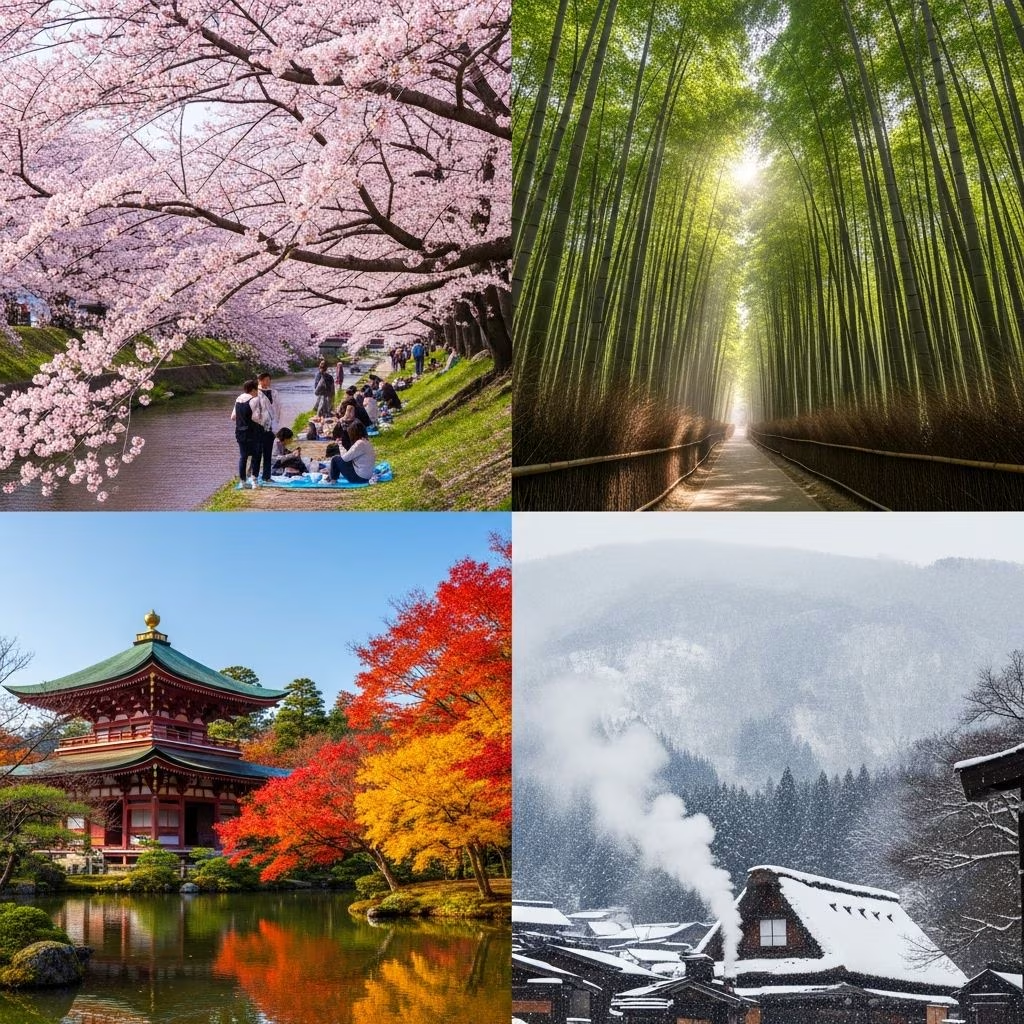
The spring season, spanning from March through May, represents one of Japan’s most celebrated travel periods. During this time, the nation experiences moderate temperatures and the iconic cherry blossom phenomenon that draws millions of visitors annually. The sakura blooms create spectacular natural displays throughout major cities and rural areas alike.
Late March and early April mark the peak of the cherry blossom season, when delicate pink flowers blanket streets in Tokyo, Kyoto, and other metropolitan areas. This period combines aesthetic beauty with favorable weather conditions, making it exceptionally popular among international travelers. However, this popularity brings significant consequences for those seeking a quieter experience.
Key Spring Characteristics:
Travelers visiting during spring should pack layered clothing, as temperature fluctuations between day and night can be substantial. A lightweight jacket proves essential for evening outings. Those seeking cherry blossom experiences without extreme crowding might consider May travels, particularly mid to late May, when temperatures warm further and tourist densities decrease slightly while maintaining pleasant conditions.
June through July marks the transition into summer, characterized by increasing humidity and rainfall. This period features Japan’s rainy season, known as tsuyu, which typically begins in early June and extends through mid-June in various regions. The combination of heat and moisture creates challenging conditions for outdoor sightseeing, particularly for those unaccustomed to humid climates.
Despite weather challenges, this season offers distinct advantages for specific traveler types. Summer matsuri (festivals) become prominent throughout the country, providing cultural experiences and local celebrations. Traditional summer events attract visitors interested in authentic Japanese customs rather than iconic landmarks.
Summer Season Considerations:
July and August bring extreme heat and humidity to most of Japan, with conditions becoming uncomfortable for many travelers during peak daylight hours. These months challenge visitors unaccustomed to tropical-like conditions, though certain activities accommodate the weather effectively.
Mountain regions offer cooler alternatives during this period, making locations like Nagano and elevated areas in Hokkaido more attractive. Okinawa Islands reach their peak beach season from June through October, with warmest waters and most favorable conditions for water activities. Visitors can enjoy island escapes while avoiding inland heat concentration.
Additionally, Mount Fuji hiking season operates from July through mid-September, attracting mountaineers and outdoor enthusiasts. This narrow window provides optimal climbing conditions despite lower-elevation heat.
October and November constitute autumn, widely regarded as equivalent to spring in terms of travel desirability. This season combines excellent weather conditions with spectacular fall foliage displays, creating visually stunning environments throughout the country.
Late October marks the beginning of autumn color transformations, with peak foliage typically occurring around mid-November, though timing varies significantly by region. Northern areas experience color changes earlier than southern regions. The weather becomes increasingly pleasant as November progresses, with cooling temperatures and lower humidity.
Autumn Advantages:
While autumn remains popular, it attracts slightly fewer visitors than spring cherry blossom season. However, August and September occasionally experience typhoon activity, making late autumn preferable for those concerned about severe weather patterns. The remainder of autumn typically features some of the most pleasant weather conditions throughout the year.
December through February presents winter conditions throughout most of Japan, with significant regional variations. Northern regions and mountainous areas receive substantial snowfall, creating winter sports opportunities, while southern regions experience mild temperatures with occasional frost.
December emerges as an excellent choice for travelers prioritizing fewer crowds and peaceful exploration. Major urban centers remain less crowded during this period, allowing visitors to experience temples, castles, museums, and attractions at deliberate paces without jostling through massive tourist masses.
Winter Season Characteristics:
Hokkaido transforms into a winter wonderland, hosting world-class ski resorts and snowboarding facilities that attract winter sports enthusiasts. The remainder of January and February offer pleasant, dry weather with sunny conditions and minimal crowding for those unperturbed by chilly temperatures and bare landscapes.
Winter also facilitates access to onsen (hot springs), traditional thermal bathing experiences that provide warmth and cultural immersion during cold months. This seasonal activity enhances the winter travel experience, particularly in mountain regions and specialized onsen destinations.
Japan’s geography creates distinct seasonal patterns across different regions, requiring visitors to adjust expectations based on specific destinations.
Geographic Seasonal Guide:
| Region | Optimal Visit Period | Key Characteristics |
|---|---|---|
| Tokyo | March-May, October-November | Cherry blossoms and fall foliage; year-round urban appeal |
| Kyoto | Spring and autumn | Temples stunning in both seasons; spectacular seasonal colors |
| Hokkaido | December-February (winter) | Excellent skiing; December-May sees delayed spring |
| Osaka | Spring and fall | Urban center with similar seasonal patterns to Tokyo |
| Okinawa | June-October | Warmest temperatures; peak beach season |
| Nagano | March-May | Mountain region sees peak visitors during spring months |
Hokkaido experiences spring progression approximately one month later than Tokyo, meaning cherry blossoms appear in early May rather than late March or early April. Conversely, Okinawa’s rainy season typically lasts from early May through mid-June, requiring weather consideration for southern island travels.
Understanding crowd patterns enables travelers to balance experiential quality with seasonal preferences. April attracts massive domestic travel activity due to spring school holidays, the start of Golden Week holidays, and peak cherry blossom season. This convergence creates crowding rarely experienced during other periods.
Golden Week, occurring at the end of April and beginning of May, represents one of Japan’s busiest travel seasons, causing various travel-related concerns including accommodation scarcity and attraction congestion. Booking accommodations six months to a year in advance proves advisable for travelers determined to experience cherry blossoms during this peak period.
May offers an underutilized alternative, particularly mid to late May, when temperatures remain comfortable and tourist densities decrease while maintaining pleasant weather conditions. This period provides access to lesser-known gems throughout the country, allowing deeper cultural immersion with reduced competition for resources.
Appropriate packing varies significantly based on seasonal travel timing. Spring travelers should pack layered clothing accommodating temperature variations, including lightweight jackets for evening outings. Summer visitors require light, breathable fabrics including cotton and linen, along with sunglasses, hats, umbrellas, and rain jackets due to frequent precipitation.
Winter travelers need warm jackets, sweaters, and thermal layers, particularly for northern regions experiencing snow. Autumn packing resembles spring requirements, with layering necessary due to temperature fluctuations between seasons. Year-round considerations include comfortable walking shoes, as Japanese tourism involves substantial pedestrian exploration.
Late March through early April marks peak cherry blossom season in central Japan, with blooms appearing in early May in northern regions like Sapporo. Expect substantial crowds during this period, requiring advance booking of accommodations.
December presents the lowest crowd levels while still offering pleasant weather conditions. Winter months generally experience reduced tourism compared to spring and autumn, though some travelers find the bare landscape and short daylight hours less appealing.
July and August bring extreme heat and humidity that many travelers find uncomfortable for outdoor sightseeing. Mountain regions and Okinawa Islands offer cooler alternatives and water activities during this period.
Fall foliage displays create spectacular landscapes throughout October and November, while weather conditions rival spring for pleasantness. Autumn generally attracts fewer crowds than spring cherry blossom season.
Yes, Hokkaido offers world-class ski resorts with excellent conditions from December through February. Northern mountain regions throughout Japan provide winter sports opportunities during this season.
Japan offers meaningful travel experiences throughout the year, with each season providing distinct advantages and considerations. Spring cherry blossoms and autumn foliage represent the most popular periods but attract corresponding crowds. Summer offers festival opportunities and mountain adventures despite challenging heat and humidity. Winter provides uncrowded exploration of major attractions alongside specialized seasonal activities like skiing and onsen experiences. Selecting the optimal travel period depends on individual priorities regarding weather preferences, crowd tolerance, specific interests, and regional destinations.
