

 Travel Essentials
 Travel Essentials

Explore Japan's best travel periods by season, balancing pleasant weather, iconic events like sakura viewing, and fewer crowds for an unforgettable trip.
 Travel Essentials
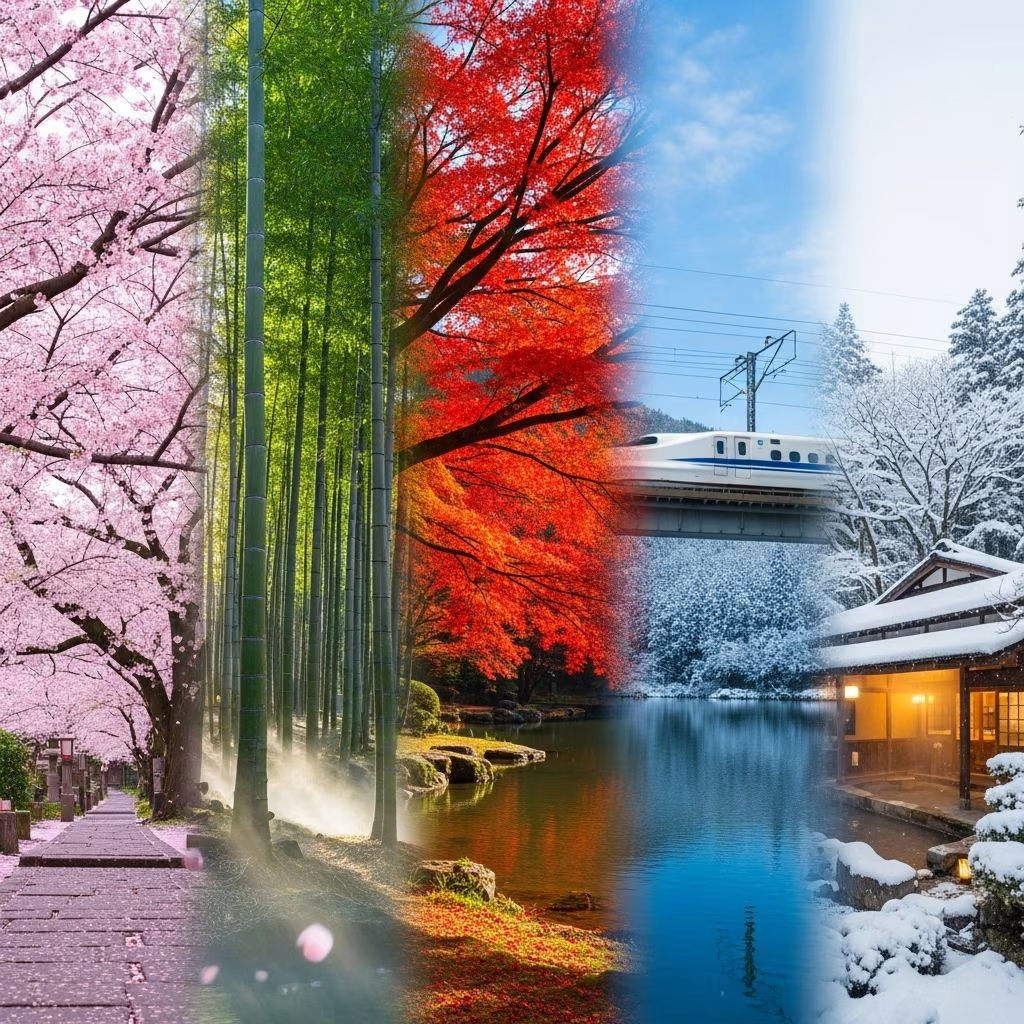
Japan captivates travelers year-round with its diverse climates, vibrant festivals, and stunning natural displays. The **best periods** for most visitors align with spring (late March to May) and autumn (October to November), offering mild weather, fewer extremes, and iconic sights like cherry blossoms and colorful leaves.
Japan’s archipelago spans latitudes from subtropical Okinawa to snowy Hokkaido, creating varied weather patterns. Central areas like Tokyo and Kyoto experience four distinct seasons, while southern islands face typhoons and northern regions see heavy snow. Understanding these helps tailor trips to preferences, whether seeking tranquility or energy-packed events.
Spring and fall stand out for comfortable temperatures around 15-25°C (59-77°F), low humidity, and cultural highlights. Summer brings heat but lively matsuri (festivals), and winter offers snowy escapes minus summer crowds.
Spring transforms Japan into a pastel wonderland, peaking with sakura (cherry blossoms) from late March to early May. Temperatures hover at 10-20°C (50-68°F), with crisp mornings warming to sunny afternoons—perfect for hanami (blossom viewing) picnics.
In Tokyo, Ueno Park bursts with pink petals, drawing hanami crowds. Kyoto’s Philosopher’s Path offers serene walks amid blooms. Northern spots like Sapporo delay sakura to May, dodging mainland rushes.
| Region | Peak Bloom | Avg. High Temp (°C/°F) |
|---|---|---|
| Tokyo/Osaka | Late March-Early April | 18/64 |
| Kyoto | Early-Mid April | 19/66 |
| Hokkaido | Early May | 15/59 |
| Okinawa | January-February (Different varieties) | 22/72 |
This table shows bloom progression northward, allowing staggered visits to avoid overcrowding. Book accommodations early for Golden Week (late April-early May), when domestic travel surges.
June to August unleashes humid heat (25-32°C/77-90°F) and tsuyu (rainy season) in June, transitioning to vibrant summer energy. Typhoons peak August-September, mainly affecting Okinawa.
Despite challenges, summer suits festival enthusiasts. Obon (mid-August) honors ancestors with dances, while cooler evenings invite street food stalls.
October-November delivers Japan’s most painterly season, with koyo (autumn leaves) painting mountains red and gold. Days average 14-22°C (57-72°F), cooling nights invite cozy ryokan stays.
Foliage chases southward: Hokkaido peaks mid-October, Kyoto late November. Nikko and Hakone offer hikes through crimson canopies. Harvest festivals feature fresh persimmons, chestnuts, and matsutake mushrooms.
December-February chills central Japan (0-10°C/32-50°F), blanketing Hokkaido in powder for skiing. Sunny, dry days minimize crowds outside New Year’s (January 1-3).
Northern Japan excels: Niseko’s world-class slopes, Sapporo Snow Festival (February). Southern cities like Fukuoka stay milder. Hot springs (onsen) provide warmth, with rotenburo (outdoor baths) steaming amid snow.
| Month | Weather Highlights | Top Activities |
|---|---|---|
| January | Cold, dry; heavy snow north | Skiing, onsen, fewer tourists |
| February | Chilly, sunny; festivals | Snow sculptures, winter illuminations |
Japan’s diversity demands region-specific planning:
Peak seasons (sakura, foliage, Golden Week, New Year’s) spike prices and queues. Shoulder months like mid-May or late September offer 20-30% savings and space.
Typhoons disrupt late summer flights; monitor Japan Meteorological Agency forecasts. Rainy season brings umbrellas, summer demands breathable clothes and hydration.
Packing layers year-round: fleece for spring chills, waterproof gear for summer, thermals for winter.
Mid-to-late May or October: Pleasant weather, greenery/foliage, minimal crowds.
Yes, for festivals and beaches, if you tolerate humidity. Opt for air-conditioned trains and evenings.
Typically early to mid-April; check annual forecasts as warmth advances blooms.
Prime time: December-March in Hokkaido/Nagano; resorts rival Alps.
Peak August-September; southwestern areas most impacted—buy travel insurance.
Combine seasons: Spring south, autumn north. Apps like Hyperdia aid transport; Visas often unnecessary for short stays. Sustainable travel tip: Support local ryokan, minimize plastic.
Japan rewards flexibility—each season unveils unique magic, from fleeting sakura to enduring onsen serenity.
