

 Travel Essentials
 Travel Essentials

Unlock the ideal periods to visit Kyoto, from spring sakura blooms to autumn koyo colors, considering weather, crowds, costs, and key events for every traveler.
 Travel Essentials
Kyoto, Japan’s cultural heartland, transforms dramatically through its seasons, each offering distinct experiences from delicate pink sakura to fiery autumn leaves. Choosing the right time depends on your priorities—whether it’s mild weather for temple hopping, avoiding peak crowds, or catching iconic festivals. This guide breaks down weather patterns, visitor trends, costs, and highlights to help you decide.
Located in a basin surrounded by mountains, Kyoto’s climate features warm summers, crisp falls, mild springs, chilly winters, and a rainy period in early summer. Average highs range from 14°C in early spring to 32°C in midsummer, with humidity peaking June to August. Rainfall is heaviest during tsuyu (June rainy season), but falls are drier. Crowds swell in spring and autumn, driving up hotel prices by 20-50%, while winter offers deals.
March ushers in gentle warmth, with highs climbing from 14°C to 25°C by May and lows from 5°C to 13°C. This is prime time for outdoor exploration, as plum blossoms give way to sakura peaking late March to early April. Paths like Philosopher’s Path burst into pink clouds, drawing hanami picnickers. Expect frequent light showers, but they enhance the fresh vibe.
Crowds peak during sakura, especially Golden Week (late April-early May), when domestic travelers flood in. Book shukubo (temple stays) months ahead. Festivals like Aoi Matsuri in May feature Heian-era parades with ox carts and silk robes.
| Month | Avg High (°C) | Avg Low (°C) | Key Events | Crowd Level |
|---|---|---|---|---|
| March | 14 | 5 | Higashiyama Hanatouro lanterns | Medium-High |
| April | 20 | 9 | Sakura full bloom | Peak |
| May | 25 | 13 | Aoi Matsuri | High |
Post-Golden Week, crowds thin, and lingering blooms pair with greener landscapes, ideal for hikes in Arashiyama’s bamboo groves.
June brings tsuyu, with daily showers greening hillsides; highs hit 26°C. July-August intensifies to 32°C highs and 22°C lows, with oppressive humidity. Shade-seeking is key—visit early mornings or evenings. Temples like Kiyomizu-dera feel lush, riverside yuka (platforms) offer cool dining.
This shoulder season shines for events: Gion Matsuri (July) features massive yamaboko floats paraded through streets, rooted in 9th-century plague prayers. Gozan Okuribi (August 16) lights mountainsides with massive bonfires signaling Obon spirits’ departure. Fewer international tourists mean better availability, though locals pack festivities.
Hydrate rigorously; air-conditioned museums like Kyoto National Museum provide relief. Budget travelers save as prices dip 10-20% from spring.
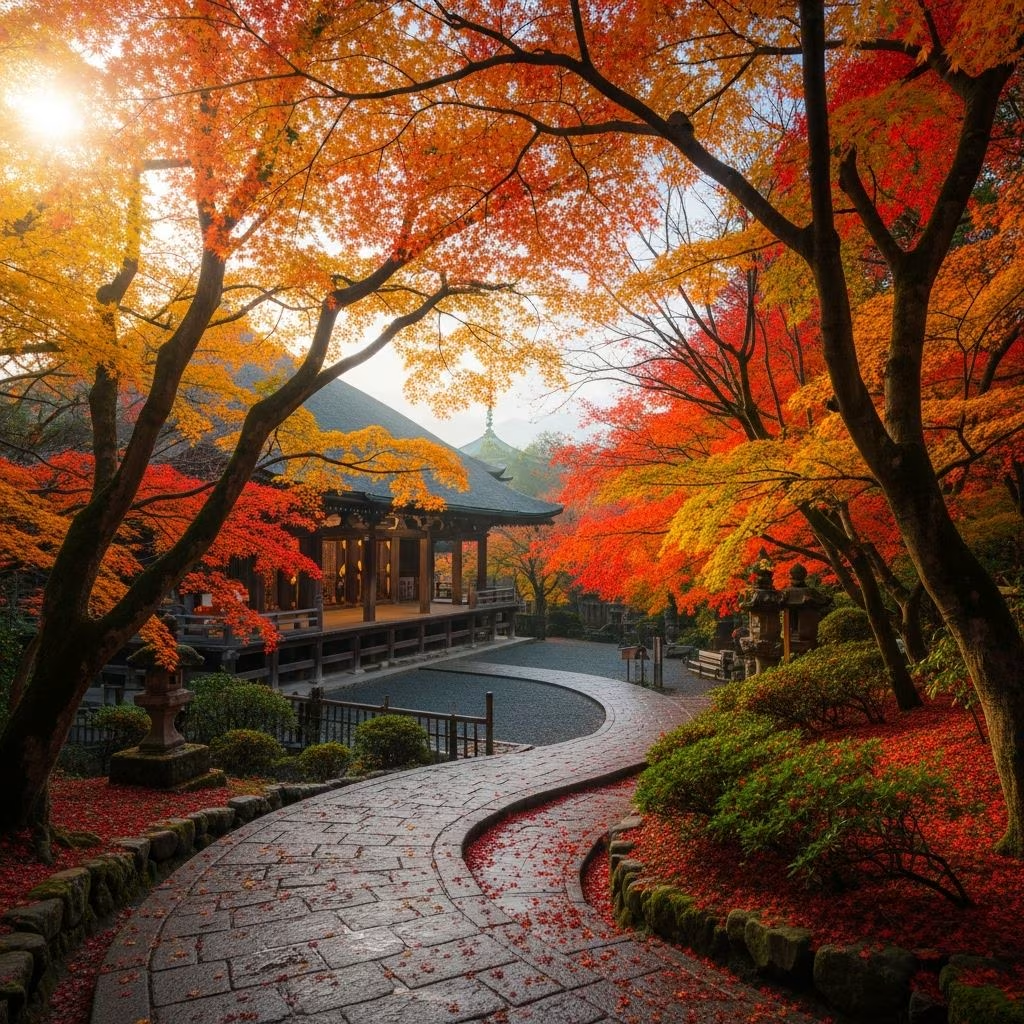
September starts warm at 24°C, cooling to 17°C by November with lows to 7°C. Lower humidity and clear skies make it walker-friendly. Koyo (fall colors) ignite mid-October in highlands, peaking mid-November in the city—maples turn crimson at Tofuku-ji’s valleys or Tenryu-ji’s pond reflections.
November’s Jidai Matsuri reenacts history with 2,000 costumed marchers; Kurama Fire Festival (October) sees torch-lit processions. Crowds rival spring’s, so reserve trains to Arashiyama. Shoulder months (early September, late November) balance colors and calm.
| Spot | Peak Koyo | Highlights |
|---|---|---|
| Kiyomizu-dera | Mid-November | Panoramic views from stage |
| Arashiyama | Late November | Bamboo and river colors |
| Eikando Temple | Early December | Illuminated paths |
December-February averages 10°C highs and 2°C lows, with occasional snow blanketing gold-leaf Kinkaku-ji. Off-season means 30-50% cheaper stays and short lines. Hanatouro festivals light up Higashiyama or Arashiyama with lanterns and ikebana.
New Year’s (Shogatsu) sees shrine visits; most close Dec 29-Jan 3. Crisp air suits onsen trips to nearby Kurama. Fewer crowds amplify tranquility at Fushimi Inari’s torii gates.
Mildest conditions favor spring/autumn (15-25°C). Summers demand breathable clothes; winters need layers. Rain gear is essential June and typhoon-prone September.
Beyond seasons: Setsubun (Feb) bean-throwing at Yasaka Shrine; Obon dances (Aug).
| Month | Weather | Pros | Cons | Best For |
|---|---|---|---|---|
| Jan | Cold, dry, 10/2°C | Quiet, snowscapes | Chilly | Budget explorers |
| Feb | Cold, 11/3°C | Festivals start | Short days | Cultural immersion |
| Mar | Mild, 14/5°C | Plum/sakura start | Crowds build | Blossom previews |
| Apr | 20/9°C | Sakura peak | Peak crowds | Hanami picnics |
| May | 25/13°C | Warm, green | Golden Week | Outdoor hikes |
| Jun | 26/18°C, rainy | Lush greenery | Humidity | Nature lovers |
| Jul | 32/22°C | Gion Matsuri | Hot/humid | Festival fans |
| Aug | 32/23°C | Bonfires, fireworks | Peak heat | Local vibes |
| Sep | 24/15°C | Early koyo highlands | Typhoons possible | Shoulder travel |
| Oct | 22/12°C | Fire festival | Crowds rise | Comfortable sightseeing |
| Nov | 17/7°C | Koyo peak | High crowds | Leaf peeping |
| Dec | 12/3°C | Lantern festivals | Cold evenings | Holiday lights |
April for sakura or November for koyo—both showcase Kyoto’s natural beauty amid temples.
Not at all; layers suffice, and snow enhances sites like Ryoan-ji’s rock garden. Days are sunny.
Visit weekdays, early mornings, or opt for shoulder weeks. Use JR Pass for outskirts.
Peak: +30-50%; low season: -20-40%. Ryokans hike during hanami/koyo.
Japan’s 90-day visa-free for many; check events for capacity limits post-2026 reopenings.
Align your trip with passions: photographers chase sakura light; families love summer matsuri; couples prefer autumn walks. Monitor Japan Meteorological Agency for bloom/leaf forecasts. Sustainable travel: use public transit, support local crafts. Kyoto rewards patience—each season unveils new facets of its timeless elegance.
