

 Travel Essentials
 Travel Essentials

Unlock the best periods to visit Madagascar, from dry-season wildlife spotting to shoulder-month bargains, avoiding rainy pitfalls for unforgettable trips.
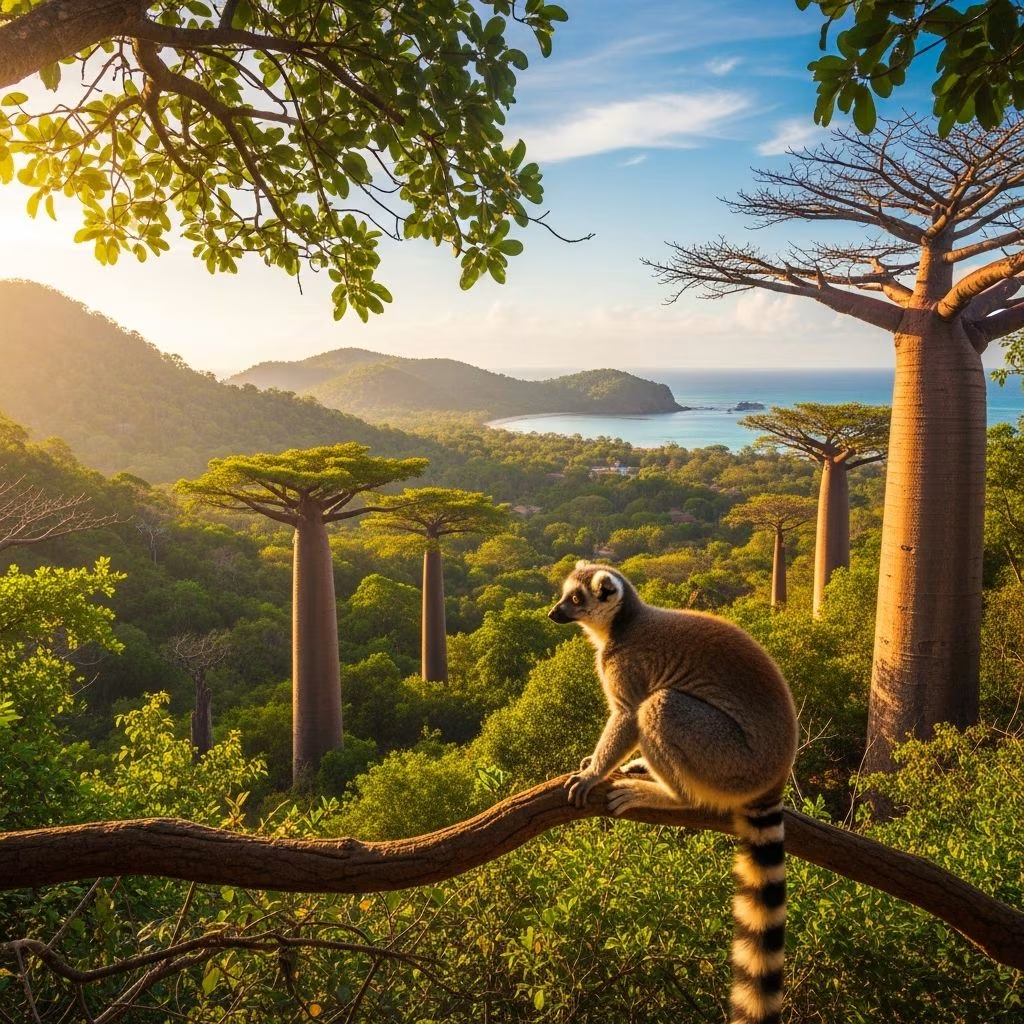 Travel Essentials
Madagascar’s unique position off Africa’s southeastern coast creates a climate of striking contrasts, making timing your visit crucial for enjoyable travel. The prime window spans April to October, offering dry conditions perfect for outdoor pursuits like hiking and wildlife observation.
Madagascar experiences two dominant seasons: a cool, dry period from April through October and a hot, wet phase from November to March. The dry season brings milder temperatures, reliable road access, and peak animal activity, ideal for most visitors. In contrast, the wet season introduces heavy rains, potential cyclones, and logistical hurdles, though it can yield lush scenery and fewer crowds.
Regional variations add complexity. The central highlands chill during winter months, while the southwest bakes in early summer. Northern areas face monsoon influences, but mornings often stay sunny even in transition periods.
This extended dry spell delivers the most favorable conditions across much of the island. Daytime highs hover between 70°F and 80°F (21°C-27°C), with cooler nights, minimizing mosquito presence and malaria risk.
Peak crowds fill July and August, so book ahead for popular parks and lodges.
Transitional periods offer compromises: reduced rates, lighter footfall, and specific attractions.
| Month | Pros | Cons | Best For |
|---|---|---|---|
| March | Post-rain greenery; fewer tourists | Lingering showers; cyclone risk | Inland hikes before crowds |
| November | Warm beaches; reptile activity | Increasing rain; hot southwest | Coastal relaxation |
| December | Chameleon prime; budget deals | Rains start; road mud | Wildlife enthusiasts |
Dominated by monsoon rains, this era challenges travelers with flooded roads, closed parks, and cyclone threats peaking in February. Highs exceed 85°F (29°C), fostering humidity. Yet, opportunistic visitors find value: verdant forests, active chameleons in December, and slashed accommodation prices.
Avoid if flexibility is limited; many operators suspend services, stranding remote areas.
For lemurs, chameleons, and birds, target April-May or October-November. Dry trails ease access to 100+ national parks housing 90% endemic species. Baby lemur season hits September-October; winter favors diurnal birds.
Nosy Be shines July-October for diving amid coral reefs. Surf from April-May; whale watching (humpbacks) July-September off northeast coasts.
Tsingy limestone spires demand June-November dryness. Isalo’s canyons suit April-June lushness or cooler July-August.
Festivals like Famadihana (exhumation rites) occur July-September in highlands. Dry weather aids village treks year-round outside rains.
Dry season: Layers for cool mornings, rain jacket, sturdy boots, malaria prophylaxis, sunscreen. Wet: Quick-dry gear, insect repellent. Check cyclone updates via Météo Madagascar.
High season (July-August) spikes prices 20-50%; shoulders save 30%. Low wet months drop further but risk closures.
September: Balanced weather, wildlife, fewer crowds.
Possible but risky; monitor forecasts and have backups.
Dry season safest due to better infrastructure.
Unpredictable rains; pack versatile gear.
November-December: Deals abound pre-rains.
Madagascar rewards thoughtful planning. Align your passions—be it lemur leaps or reef dives—with dry April-October for magic minus mishaps. Shoulders add adventure on a dime.
