

 Travel Essentials
 Travel Essentials

Unlock the best periods to visit Madrid with insights on weather, events, crowds, and budget tips for an unforgettable Spanish adventure.
 Travel Essentials
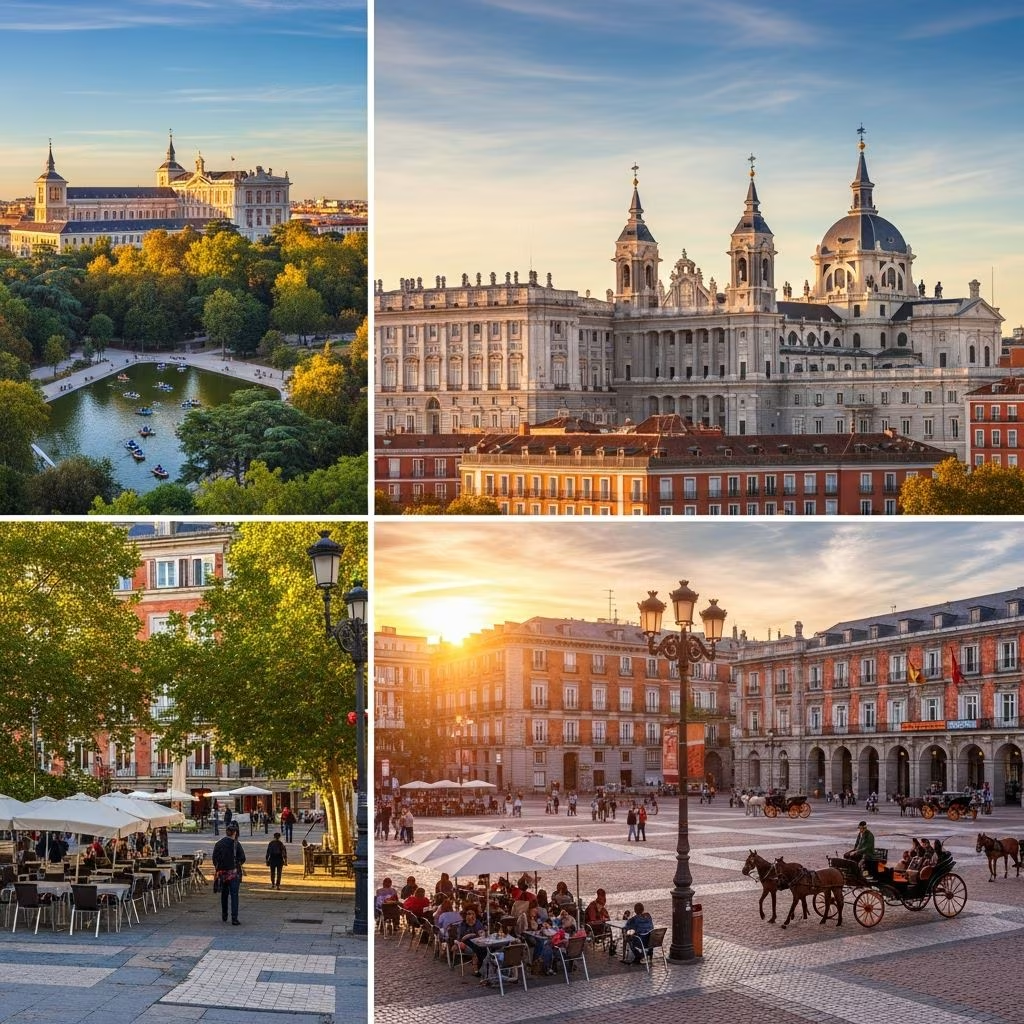
Madrid thrives year-round, but choosing the right season enhances your experience with ideal weather, lively events, and manageable crowds. Spring and fall stand out for balanced temperatures and vibrant activities, while summer brings heat and festivities, and winter offers quiet charm and savings.
Madrid’s central plateau location creates a continental climate with hot summers, cold winters, and low rainfall overall. Average highs range from 50°F (10°C) in winter to over 90°F (32°C) in summer, influenced by its elevation near the Sierra de Guadarrama mountains. Sunny days dominate, with about 2,800 hours of sunshine annually, making it appealing even in cooler months.
As temperatures climb from 42°F (6°C) in March to the mid-70s°F (23°C) by May, Madrid bursts into life with flowering trees and outdoor enthusiasm. This period suits active travelers, offering extended daylight for park strolls and sightseeing without summer’s intensity.
March brings crisp air ideal for museum hopping, with lows around 40°F (4°C) and minimal precipitation. April introduces showers but warms to comfortable levels, perfect for cycling Retiro Park paths. May peaks as the prime month, with dry weather, 70°F (21°C) averages, and plazas filling with terrace dining.
Spring avoids peak crowds, providing shorter lines at Prado Museum and Royal Palace. Budget travelers note moderate hotel rates before June surges.
June through August delivers Madrid’s hottest weather, with highs often exceeding 90°F (32°C) and minimal rain. Long days (up to 15 hours of sunlight) fuel nightlife and festivals, though midday heat pushes activities indoors or to shaded spots.
Early June offers a sweet spot before crowds peak in July-August, when locals flee to coasts, ironically thinning some urban areas despite tourist influxes. Hydrate well and prioritize mornings for El Rastro flea market or Palacio Real visits. Evenings cool to 60-70°F (15-21°C), igniting tapas bars and flamenco shows.
| Aspect | Pros | Cons |
|---|---|---|
| Weather | Long sunny days | Extreme midday heat |
| Crowds | Vibrant energy | Long queues, surge prices |
| Events | Festivals, concerts | Many shops close August |
July marks peak season with highest visitor numbers, but indoor attractions like Thyssen-Bornemisza shine. August sees a local exodus, easing streets somewhat.
September to November ushers comfortable 50-80°F (10-27°C) days fading to cooler nights, ideal for walking Gran Vía or Plaza Mayor without sweat. Fall claims top billing for culture enthusiasts, with dry conditions and post-summer calm.
September retains summer warmth (low 80s°F/27°C), perfect for outdoor cafés. October dips to 60s°F (15-20°C), enhancing hikes in Casa de Campo. November chills to 50s°F (10°C) but stays sunny, suiting budget explorers as demand drops.
This season balances accessibility and authenticity, with locals reclaiming streets.
December to February averages 30-55°F (-1 to 13°C), with rare snow and mostly clear skies. It’s Madrid’s quietest time, slashing accommodation by 30-50% and emptying attractions for intimate visits.
January hits coldest at 45°F (7°C) daytime, dropping near freezing nights—pack layers for Puerta del Sol’s New Year vibes or chocolate con churros. February warms slightly, blending chill with holiday afterglow. Indoor pursuits dominate: world-class museums, cozy tabernas, and holiday markets.
Low rainfall (under 2 inches monthly) keeps exploration feasible, rewarding patient travelers with uncrowded gems.
Peak: July-August (highest). Shoulder: April-June, September-October (optimal). Low: November-March (quietest).
| Traveler Type | Best Season | Why |
|---|---|---|
| Outdoor Enthusiasts | Spring | Mild temps, parks in bloom |
| Culture Seekers | Fall | Comfortable sightseeing weather |
| Budget Travelers | Winter | Low costs, dry days |
| Party Goers | Summer | Festivals, nightlife peaks |
Madrid-Barajas Airport connects efficiently year-round. Metro and buses run reliably, though summer heat may favor early travel. Spring/fall ease walking; winter demands indoor planning.
Visit off-peak to reduce overcrowding. Use public transport, support local eateries, and respect parks. Spring/fall minimize environmental strain from mass tourism.
May and September offer perfect weather, events, and moderate crowds.
Rainfall stays low year-round, peaking slightly in April and October.
Yes for midday; focus on mornings/evenings or air-conditioned sites.
Absolutely—sunny, affordable, and magical with fewer people.
Lowest winter, peak summer, ideal shoulders in between.
