

 Travel Essentials
 Travel Essentials

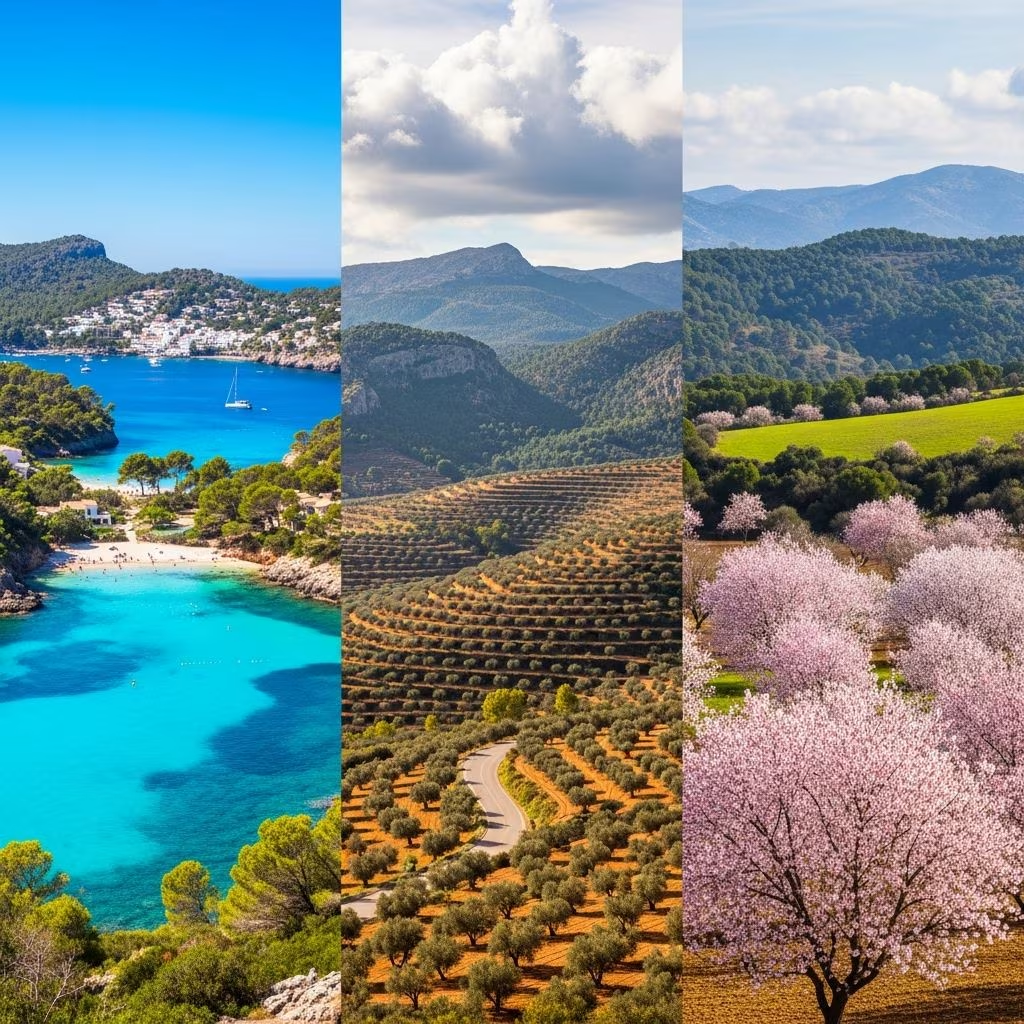
Navigate Mallorca's seasons to find your ideal travel time, from spring wildflowers to autumn harvest celebrations.
 Travel Essentials
Nestled in the Mediterranean Sea, Mallorca transforms throughout the year, offering distinct advantages depending on when you choose to visit. Understanding the island’s seasonal rhythms helps travelers make informed decisions about their timing, balancing weather preferences with crowd levels and budget considerations. Whether you seek sun-drenched beaches, cultural exploration, or outdoor adventures, Mallorca’s climate and tourism patterns create unique opportunities in each season.
Mallorca enjoys a Mediterranean maritime climate characterized by mild winters and hot summers, though sea breezes moderate the heat throughout much of the year. This climatic pattern has historically made the island appealing year-round, though visitor numbers fluctuate dramatically across seasons.
The island’s tourism peaks during summer months when European families escape for vacation, creating both advantages and disadvantages for travelers. Peak season congestion, higher accommodation prices, and crowded beaches contrast sharply with the excellent weather and warm Mediterranean waters. Understanding these trade-offs helps visitors align their preferences with optimal travel timing.
Spring represents an exceptional window for visitors seeking authentic Mallorca experiences combined with pleasant weather. Temperatures average around 20°C (68°F), creating ideal conditions for exploration. This moderate warmth invites leisurely walks through Palma de Mallorca’s medieval streets and inland villages without the exhausting heat of summer.
The spring landscape captivates nature enthusiasts, as almond blossoms blanket hillsides and wildflowers dot the countryside. This visual transformation occurs naturally, requiring no special efforts to witness but rewarding attentive travelers with memorable scenery.
Spring offers practical advantages beyond aesthetics. Flight and accommodation prices remain reasonable compared to summer rates. Beaches remain quieter, allowing swimmers and sunbathers to find peaceful spots even at popular locations. Rainfall occurs approximately 4-5 days monthly, so packing a jacket provides necessary preparation without suggesting constant wet conditions.
Cultural events enhance spring visits. The PalmaVela regatta, a major international sailing competition, draws enthusiasts to Palma during April. This prestigious event showcases the island’s maritime heritage and offers spectacle for those interested in competitive sailing.
Summer fundamentally differs from other seasons, presenting both compelling attractions and substantial challenges. Temperatures climb to 28-35°C (82-95°F), with July and August proving particularly hot. Mediterranean waters warm significantly, reaching ideal swimming temperatures between 25-26°C, making summer the premier beach season.
Sunshine dominates summer months, with July receiving an extraordinary 346 hours of sunshine and experiencing only minimal rainfall. This dry, sunny pattern creates perfect beach conditions for those prioritizing sun and swimming. Sea breezes provide respite from intense midday heat, while evening temperatures remain pleasant.
However, summer attracts overwhelming visitor numbers. Resort areas fill with families, crowds concentrate at popular beaches, and tourism-related businesses operate at maximum capacity. Accommodation prices spike substantially, and finding parking at beach locations becomes challenging.
Summer suits travelers whose priorities emphasize beach relaxation above cultural exploration or budget consciousness. Those seeking extensive walking tours of historic districts should reconsider summer visits due to afternoon heat.
Autumn emerges as an optimal balance point, combining favorable conditions with practical benefits. September maintains summer-like warmth while crowds diminish as European vacation schedules return to normal. Water temperature remains sufficiently warm for comfortable swimming, and sunshine persists across clear skies.
September temperatures average around 22.4°C (72.4°F) in daily average, declining gradually through October. This gradual cooling creates comfortable conditions for walking, hiking, and outdoor dining without summer’s intensity.
Autumn offers cultural richness through harvest celebrations. September brings Festes de la Verema to the village of Binissalem, celebrating grape harvest with three weeks of festivities. These local celebrations provide authentic cultural experiences unavailable during other seasons, revealing traditional island life beyond tourist infrastructure.
Practical benefits accumulate during autumn months. Accommodation prices drop compared to summer peaks. Beaches become noticeably quieter, transforming into peaceful retreats. Parking availability improves at popular locations. October presents slightly wetter conditions with 4-5 rainy days monthly, yet sunshine dominates overall.
Winter transforms Mallorca into a different destination entirely, though still warmer than Northern European regions. Temperatures decline to averages around 14°C (57°F) by November, with occasional highs of 16.5°C (62°F). Rain becomes more frequent, particularly between October and March, with November experiencing peak rainfall.
Despite wetter conditions, winter possesses distinctive charm. Almond blossoms flourish during January and February, creating unexpected natural beauty. The island becomes noticeably greener, and wildflowers proliferate in wet conditions. December can deliver sunny days around 20°C with festive Christmas decorations brightening Palma.
Winter tourism essentially ceases, fundamentally altering the island’s character. Resort areas like Magaluf and Arenal empty completely by November, revealing quieter, more authentic Mallorca. Many hotels close seasonally, though those remaining offer significant discounts.
Winter suits travelers seeking solitude, budget accommodations, and a glimpse of genuine island life beyond tourism infrastructure. This season works well for those prioritizing activities like walking, cycling, mountain climbing, and golf, which remain enjoyable despite cooler temperatures.
| Travel Priority | Best Season | Temperature Range | Key Benefits |
|---|---|---|---|
| Beach Relaxation | June-August | 28-35°C (82-95°F) | Warmest water, maximum sunshine, ideal swimming |
| Cultural Exploration | April-June, September-October | 20-25°C (68-77°F) | Comfortable walking, fewer crowds, manageable weather |
| Budget Travel | November-February, April-May | 14-20°C (57-68°F) | Lowest accommodation prices, reduced crowds |
| Outdoor Activities | May-June, September-October | 20-25°C (68-77°F) | Ideal hiking conditions, pleasant temperatures |
| Nature & Scenery | January-February, April-June | 14-20°C (57-68°F) | Almond blossoms, wildflowers, lush landscape |
Rainfall patterns significantly influence travel planning. Spring months (April-June) and fall months (September-October) experience approximately 4-5 rainy days monthly, manageable with light jacket preparation. November represents the rainiest month, particularly in mountainous Tramuntana regions, while July stands out as remarkably dry with only 7mm rainfall.
This distribution creates strategic advantages: spring and autumn offer warmth combined with occasional refreshing rain that keeps countryside verdant. Summer’s extreme dryness suits beach vacations but offers limited water refreshment except from Mediterranean swimming. Winter’s frequent rain supports agricultural cycles while occasionally disrupting travel plans.
Pricing fluctuates dramatically across seasons. Summer months command peak prices for accommodations, flights, and restaurants. Spring shoulder season and early autumn offer moderate pricing with excellent conditions. Winter brings substantial discounts, with many establishments offering reduced rates or seasonal closures creating accommodation scarcity but unbeatable deals on available rooms.
Budget-conscious travelers should prioritize April-May or September-October, balancing weather advantages with pricing benefits. Winter maximizes savings for those tolerating cooler temperatures and occasional rain.
Timing visits around significant events enriches experiences. The PalmaVela regatta in April showcases world-class sailing. Festes de la Verema in September celebrates harvest traditions in Binissalem. Christmas decorations transform Palma during December. These occasions provide cultural immersion unavailable during ordinary travel periods.
What month has the least rain? July receives minimal rainfall (just 7mm) and experiences maximum sunshine (346 hours), making it the driest month.
Can you swim in September? Yes, September offers warm Mediterranean waters ideal for swimming, as the sea temperature remains comfortably warm into autumn.
Is Mallorca worth visiting in winter? Winter suits travelers prioritizing solitude, budget accommodations, natural scenery, and outdoor activities like hiking, cycling, or golf.
When are crowds smallest? October through November and January through February experience minimal tourism. September marks the transition, with crowds noticeably smaller than July-August yet not as quiet as true off-season.
What’s the warmest time to visit? July and August provide the hottest weather, averaging 28-35°C (82-95°F).
Mallorca’s transformation across seasons creates diverse travel opportunities suited to varying preferences. No single “best” time exists universally—rather, optimal timing depends on individual priorities balancing weather, crowds, budget, and planned activities.
Spring and early autumn offer attractive middle grounds, combining pleasant temperatures with manageable crowds and reasonable pricing. Summer suits dedicated beach enthusiasts willing to navigate peak crowds and prices. Winter appeals to budget travelers and those seeking authentic island character beyond tourism infrastructure.
By understanding seasonal patterns, travelers make informed decisions aligning their Mallorca experience with personal preferences and constraints, maximizing satisfaction regardless of chosen timing.
