

 Travel Essentials
 Travel Essentials

A comprehensive seasonal guide to visiting Marrakesh, covering weather patterns, crowds, cultural events, and practical tips for each time of year.
 Travel Essentials
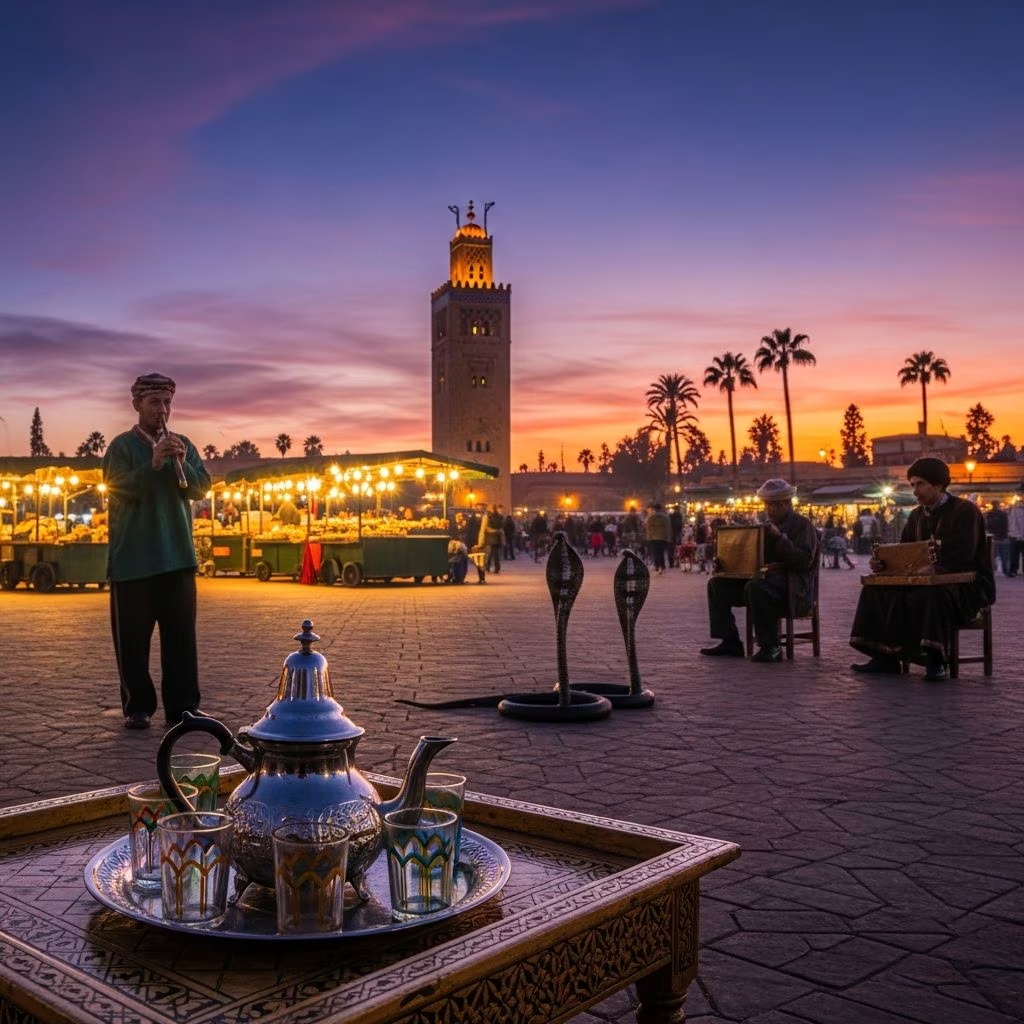
Marrakesh, Morocco’s enchanting Red City, welcomes visitors throughout the year, yet timing your journey strategically can significantly enhance your experience. The city’s unique desert climate and vibrant culture create distinct advantages during different seasons, from comfortable spring wanderings through historic medinas to winter cultural festivals and summer mountain escapes. Understanding these seasonal variations helps travelers align their visit with personal preferences, whether seeking perfect weather for exploration, relief from crowds, or participation in local celebrations.
Marrakesh experiences a warm, desert climate characterized by extreme summer heat and mild winters. The city receives minimal rainfall throughout most of the year, with the driest months extending from late April through mid-October. This arid environment means visitors rarely encounter significant weather disruptions, though winter months see occasional showers lasting only a day or two. The city’s location near the High Atlas Mountains creates interesting microclimates, with cooler temperatures accessible just beyond the city center during the hottest periods.
Understanding precipitation patterns proves helpful for packing and planning activities. The so-called “wet” season, from late October through mid-April, receives minimal rainfall—merely 1 to 2 inches monthly. This modest precipitation should not discourage winter visits, as it rarely disrupts sightseeing plans and often provides quiet moments to relax in traditional hammams or explore less-crowded attractions.
March through May represents spring in Marrakesh, a season when the city transforms with natural vibrancy and comfortable conditions for exploration. Temperatures during spring months average between 10 to 26°C (50 to 70°F), beginning cooler in March and gradually warming through May. The season’s charm includes blooming flowers, fragrant orange blossoms perfuming courtyards, and evening temperatures that encourage dining on rooftop terraces.
Spring marks the beginning of Marrakesh’s high season, attracting travelers worldwide seeking ideal weather for cultural activities. Early March offers lower crowds compared to April and May, making it an attractive choice for those wanting to avoid peak tourist congestion while still enjoying mild temperatures. However, March carries the highest probability of occasional showers among spring months, though precipitation remains minimal.
May emerges as potentially the optimal month for spring visits, offering full sunshine without reaching summer’s oppressive heat levels. This month provides an ideal window for combining cultural site visits—such as the Bahia Palace and Saadian Tombs—with medina explorations and outdoor activities in the nearby Palmeraie palm grove. May’s comfortable conditions make it feasible to undertake multiple attractions in a single day without exhaustion from extreme heat.
Travelers planning spring visits should book accommodations, guides, and restaurants in advance, particularly during April when tourism peaks. The combination of pleasant weather and school holidays in European countries intensifies competition for available accommodations during this period.
June through August brings extreme heat to Marrakesh, with temperatures frequently reaching 45°C (113°F). During these months, the city experiences scorching conditions that make extended outdoor sightseeing physically challenging. However, summer presents distinct advantages for travelers seeking budget-friendly accommodations, cooler indoor attractions, and mountain escapes.
Despite the intense heat, summer offers a unique perspective on Marrakesh’s lifestyle. Many city residents adopt a slower pace, and tourists prioritize time spent in air-conditioned riads with cooling tile work and refreshing pool facilities. The nearby High Atlas Mountains provide dramatically cooler temperatures—approximately 10°C (50°F)—alongside fresh mountain air, creating perfect counterbalance to urban heat.
Summer travelers require careful planning and preparation. Staying hydrated, wearing protective sunscreen, and maintaining head coverage become essential precautions. Planning outdoor activities for early morning or evening hours, when temperatures remain more manageable, allows exploration while avoiding midday intensity. The reduced tourist crowds during summer months translate to shorter waits at popular attractions and more intimate experiences with local vendors and guides.
| Aspect | Benefits | Challenges |
|---|---|---|
| Temperature | Mountain escapes offer relief with 10°C temperatures | City heat reaches 45°C (113°F) during peak hours |
| Crowds | Fewer tourists mean easier access to attractions | Extreme heat discourages outdoor exploration |
| Accommodations | Significant price reductions available | In-room cooling essential for comfort |
| Activities | Pool and hammam experiences essential to schedule | Traditional sightseeing limited to early/late hours |
September through November represents autumn, a season often considered optimal for Marrakesh visits by experienced travelers. Early autumn marks the return of city residents following summer departures, bringing renewed energy to galleries, restaurants, and cultural venues. September hosts Europe’s half-term school holidays, bringing increased tourism, while October represents the pinnacle of weather conditions.
Temperature patterns throughout autumn create ideal conditions for diverse activities. September maintains summer warmth with highs in the low 90s or occasionally 100°F, making early-month visits less appealing for those heat-sensitive. October offers optimal conditions with temperatures ranging from 50 to 70°F—comfortable for morning sightseeing and afternoon pool relaxation. November brings slightly cooler temperatures with highs in the low 70s and lows in the 40s, creating crisp mornings transitioning into warm afternoons.
The period from mid-October through mid-November offers exceptional value for crowd-conscious travelers. These weeks provide pleasantly cool weather ideal for exploring medinas and souks without excessive heat while maintaining significantly reduced tourist numbers compared to September and late November. Late October particularly stands out for weather excellence, whether pursuing active sightseeing or leisurely riad experiences.
November through February constitutes winter, a shoulder season offering advantages for budget-conscious travelers and culture enthusiasts. Average temperatures range from 8°C (46°F) in January to 21°C (70°F) in November, creating mild daytime conditions suitable for sightseeing. Winter sees reduced tourist crowds, translating to improved accommodation availability and lower prices, particularly January and November visits.
This season attracts fewer tourists while maintaining sufficient international visitors to support vibrant medina experiences. Off-peak visitors benefit from better photography opportunities at iconic city locations, less crowded souks, and more engaging interactions with shop owners and local guides. January and November specifically offer optimal combinations of comfortable weather, significantly reduced crowds, and winter sun ideal for relaxation.
Winter presents challenges alongside advantages. Evening temperatures drop significantly, sometimes reaching 10°C (50°F) once the sun sets. Accommodations with in-room heating become essential, particularly when booking traditional medina riads lacking central heating systems. Comfortable daytime temperatures contrast sharply with cool nighttime conditions, requiring layered clothing for day-to-night activities.
Winter serves as the optimal season for international cultural events and festivals. Musical performances, art exhibitions, and cultural celebrations populate the winter calendar, providing unique experiences unavailable during other seasons.
May emerges as the consensus best month, combining sunshine, mild temperatures ideal for comfort, and manageable crowds compared to April. October ranks closely as an alternative, offering slightly cooler temperatures and reduced tourist activity. The choice between these months depends on personal preferences regarding temperature ranges and crowd tolerance.
July and August present the most challenging conditions due to extreme heat reaching 100°F or higher. Early September maintains similar heat levels, making these months unappealing for active sightseeing enthusiasts. Late November through early January sees increased crowds as travelers from cold climates seek warm winter destinations.
No. Even during the wettest months, Marrakesh receives only 1 to 2 inches of rain. Winter precipitation, while more frequent than other seasons, rarely disrupts plans and typically lasts only a day or two. Rainfall should not discourage winter visits.
Yes, though summer requires specific adaptations. Plan outdoor activities during cooler morning and evening hours, stay hydrated, use sun protection, and utilize air-conditioned indoor spaces during peak heat. Expect reduced crowds and lower accommodation prices as compensation for heat challenges.
Spring provides vibrant natural scenery with blooming flowers and orange blossoms, while autumn may offer slightly lower crowds and equally comfortable temperatures. Spring temperatures gradually increase through the season, while autumn temperatures gradually decrease, offering different temperature progression experiences.
Pool and Relaxation Seekers: Visit May, October, or early November for warm enough pool conditions without extreme heat. These months balance comfortable swimming with pleasant air temperatures.
Budget-Conscious Travelers: Travel November through March for lowest accommodation rates, though avoiding late November through early January prevents peak winter tourism surges.
Culture and Festival Enthusiasts: Focus on November through February for concentrated international events, musical performances, and art exhibitions.
Active Explorers: Choose March through May or September through October for comfortable all-day sightseeing conditions without heat-related exhaustion.
Crowd Avoiders: Target mid-October through mid-November or early March for optimal combinations of pleasant weather and minimal tourist activity.
Marrakesh functions as a year-round destination, yet timing decisions significantly influence experience quality. Spring and autumn offer ideal weather conditions for comprehensive exploration, making these seasons worth premium accommodation prices. Winter provides budget advantages and cultural opportunities for flexible travelers willing to adapt to temperature variations. Summer suits those prioritizing budget considerations over sightseeing volume, while mountain escapes provide relief from city heat.
Regardless of chosen season, advance booking ensures accommodation, guide, and restaurant availability during peak periods. Winter and summer offer maximum flexibility for last-minute reservations. Consider personal temperature tolerance, activity preferences, crowd tolerance, and budget constraints when determining optimal visit timing.
Marrakesh’s distinctive desert environment creates a destination welcoming visitors seeking warmth and cultural immersion across all seasons. Understanding seasonal characteristics empowers travelers to align their journey with personal priorities, ensuring memorable experiences regardless of chosen travel dates.
