

 Travel Essentials
 Travel Essentials

Plan your Marseille visit by season: summer beaches, spring blooms, fall crowds, and winter sunshine. Learn weather, events, and traveler tips.
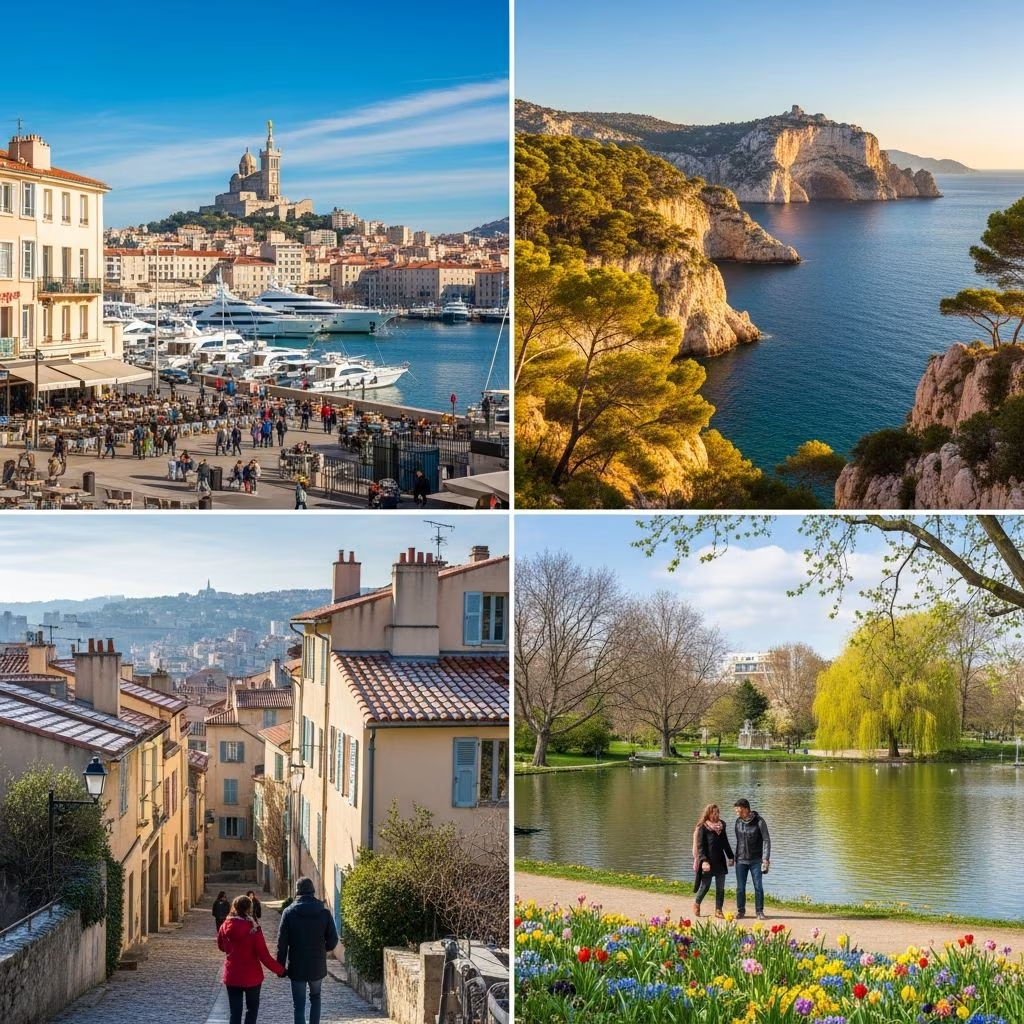 Travel Essentials
Marseille, France’s vibrant Mediterranean port city, transforms dramatically throughout the year, offering distinct experiences depending on when you arrive. Understanding the seasonal rhythms of this dynamic destination helps travelers align their visit with personal preferences, whether seeking energetic beach scenes, tranquil cultural exploration, or budget-conscious travel. The city’s strategic location on the southeastern French coast, combined with its rich cultural heritage and natural beauty, makes it appealing year-round, though each season presents unique advantages and challenges.
The summer season, spanning June through September, represents Marseille’s most vibrant and crowded period. During these months, the Mediterranean sun dominates the region with remarkable intensity, transforming Marseille into a beacon for beach seekers and festival enthusiasts. Average daytime temperatures during June, July, and August regularly reach 30°C (86°F), with the city experiencing consistently sunny conditions that make outdoor activities particularly appealing.
The beaches become central to the summer experience, with popular destinations like Catalans Beach, Prophète Beach, and the Prado beaches attracting visitors seeking Mediterranean refreshment. Water sports, swimming, and relaxation become the primary activities for many travelers during these scorching months. The warm sea temperatures make extended water immersion genuinely enjoyable rather than merely tolerable.
Beyond beach activities, summer brings a remarkable concentration of cultural events and festivals. Music festivals representing diverse genres—from electronic to hip hop to sacred compositions—flourish during these months, reflecting multicultural Marseille’s vibrant artistic identity. The Festival MIMI and Foire Internationale de Marseille occur in September, providing cultural engagement opportunities alongside beach pursuits.
However, this popularity comes with significant drawbacks. Accommodation prices surge substantially, restaurants become crowded, and finding peaceful moments in the city center requires deliberate planning. Locals often escape during August, though this exodus paradoxically creates a more relaxed atmosphere in the city itself, with sun-drenched streets taking on a lazy quality that some travelers find appealing.
Autumn offers a compelling alternative to summer’s intensity. October and November present a distinct sweet spot where temperatures become significantly more manageable while the Mediterranean remains swimmable. The season gradually transitions from summer’s intensity, with October typically featuring temperatures around 20°C (68°F)—comfortable for extended exploration without excessive heat stress. By November, though days shorten noticeably, the autumn sun provides an inviting warmth, particularly during midday hours.
This shoulder season attracts travelers specifically seeking reduced crowds and reasonable pricing. Hotel rates drop dramatically compared to peak summer months, and popular attractions become genuinely accessible without enduring lengthy queues. Beaches remain pleasantly empty, allowing for authentic seaside experiences without the summer throngs. September stands out particularly as an exceptional month, combining late-summer warmth with noticeably diminished visitor numbers while temperatures rarely drop below 25°C (77°F).
Autumn weather patterns prove generally reliable, though the region experiences occasional mistral winds—the famous Provençal wind pattern that can create chilly conditions despite sunny forecasts. The autumn sun’s particular quality creates exceptional lighting for photography and sightseeing, with golden afternoon light enhancing the city’s architectural features and natural landscapes.
Spring represents another optimal visiting period, particularly for travelers prioritizing pleasant temperatures and cultural engagement. The months of March, April, and May present a city in transition, with lengthening days bringing variable but generally improving conditions. Early spring temperatures fluctuate between 14°C and 23°C (57–73°F), though late spring typically stabilizes around 24°C (75°F) on average. The city literally blooms during this period, with floral displays and horticultural vibrancy transforming public spaces and gardens.
Spring brings an explosion of outdoor food markets overflowing with seasonal produce from Provence’s interior regions. Cherry harvests, melons, and figs from the Vaucluse appear at street markets alongside traditional Mediterranean ingredients. The May 1st celebration featuring lily-of-the-valley flower sales along street corners provides charming cultural moments. This abundance of fresh seasonal produce enriches culinary experiences, whether dining at restaurants or preparing meals independently.
Cultural activities flourish during spring months. The Massilia Cup sailing event, Semaine Nautique Internationale de Méditerranée, multiple music festivals including the Festival de Musique Sacrée and Festival International Music et Cinéma, plus the Festival Flamenco Azul create opportunities for cultural immersion. Additional spring events include the Fête de la Nature and Salon des Vignerons et de la Gastronomie. Spring’s timing aligns with significant holiday periods in European travel calendars, potentially affecting crowd levels and accommodation availability, particularly in May.
Winter might initially seem like an unlikely choice for Mediterranean exploration, yet Marseille’s winter offers distinctive advantages. Winter temperatures range between 11°C and 3°C (52–37°F), notably milder than most other French regions. The city experiences relatively infrequent precipitation and snow, with clear, crisp days featuring striking blue skies providing unexpectedly pleasant conditions. Even January permits outdoor dining, as midday sun provides surprising warmth when sheltered from winds.
For travelers seeking authentic Marseille without tourist overlay, winter delivers exceptional value. Hotel prices plummet, restaurants welcome visitors without reservation complications, and museums become genuinely peaceful spaces for unhurried exploration. If winter temperatures appeal and budget consciousness drives planning decisions, November and February emerge as particularly favorable months offering acceptable weather alongside dramatic price reductions.
Winter visitors encounter fewer crowds at major attractions while retaining comfortable daytime conditions in direct sunlight. The season suits contemplative travelers prioritizing cultural and historical engagement over beach activities. However, shorter daylight hours and the mistral wind’s occasional intensity require appropriate clothing and planning flexibility.
For Outdoor Adventurers: September and early October emerge as optimal months, combining warm Mediterranean waters with reopened hiking access to the Calanques—dramatic limestone cliffs and coastal formations. Sea temperatures remain swimmable, crowds have diminished from summer peaks, and weather generally cooperates with active pursuits.
For Budget-Conscious Travelers: November and February offer the most dramatic accommodation savings alongside reduced restaurant pricing and fewer booking conflicts. These months suit travelers prioritizing economic travel without excessive quality compromise.
For Sightseeing and Photography: Spring dominates this category, with ideal light conditions, minimal weather complications, and the city’s visual peak presentation. The combination of comfortable temperatures and photogenic conditions makes spring particularly appealing for photographers and cultural enthusiasts.
For Sea Urchin Enthusiasts: Winter months, traditionally the sea urchin season, appeal specifically to culinary adventurers seeking authentic Mediterranean delicacies. This specialty dining season attracts visitors with specific gastronomic interests.
Understanding Marseille’s climate patterns helps travelers prepare appropriately. The Provence region receives more than 300 days of annual sunshine, making it France’s sunniest region. This exceptional solar exposure creates reliably pleasant conditions across most seasons, though weather variability in shoulder seasons requires flexibility. April occasionally brings dampness, while mistral winds can generate unexpectedly cold sensations despite sunny forecasts across multiple seasons.
Packing considerations shift significantly by season. Summer requires lightweight clothing, sun protection, and beach accessories. Autumn and spring demand layered clothing accommodating temperature variations between sunny afternoons and cooler evenings. Winter necessitates warmer garments, though heavy coats prove unnecessary given the city’s relatively mild conditions.
Different seasons emphasize distinct activities. Summer focuses on beaches, water sports, and evening outdoor entertainment. Spring centers on markets, gardens, and cultural events. Autumn balances outdoor exploration with museum visiting. Winter enables leisurely urban exploration, dining, and cultural pursuits without time pressure from crowds.
Marseille’s cultural calendar heavily influences optimal visiting times. Summer and spring concentrate major festivals, while autumn and winter offer quieter cultural exploration. The concentration of events during peak tourist seasons creates vibrant atmospheres but also contributes to crowding and premium pricing. Visitors interested in specific festivals should research event dates when planning seasonal travel.
September emerges as the strongest candidate, combining late-summer warmth, warm sea temperatures, significant event programming, and notably reduced crowds compared to July and August. Spring months, particularly April and May, compete strongly for this title, offering optimal weather and abundant cultural activities.
Yes. October and November permit comfortable swimming in the Mediterranean, while December through February involve cold water temperatures suitable primarily for hardy swimmers or specialized water sports participants.
Peak summer months of July and August attract maximum crowds and command premium pricing. May historically experiences holiday-driven tourism surges affecting availability and costs, though pleasant weather conditions persist.
Spring offers abundant market produce, garden displays, and concentrated cultural events, while autumn provides similar weather with smaller crowds and lower costs. Spring suits culturally engaged travelers; autumn appeals to those prioritizing relaxation and budget consciousness.
Absolutely. Winter delivers excellent value, peaceful atmospheres, surprisingly pleasant midday temperatures, and significant cost savings. Winter particularly suits travelers prioritizing museums, restaurants, and cultural exploration over beach activities.
