

 Travel Essentials
 Travel Essentials

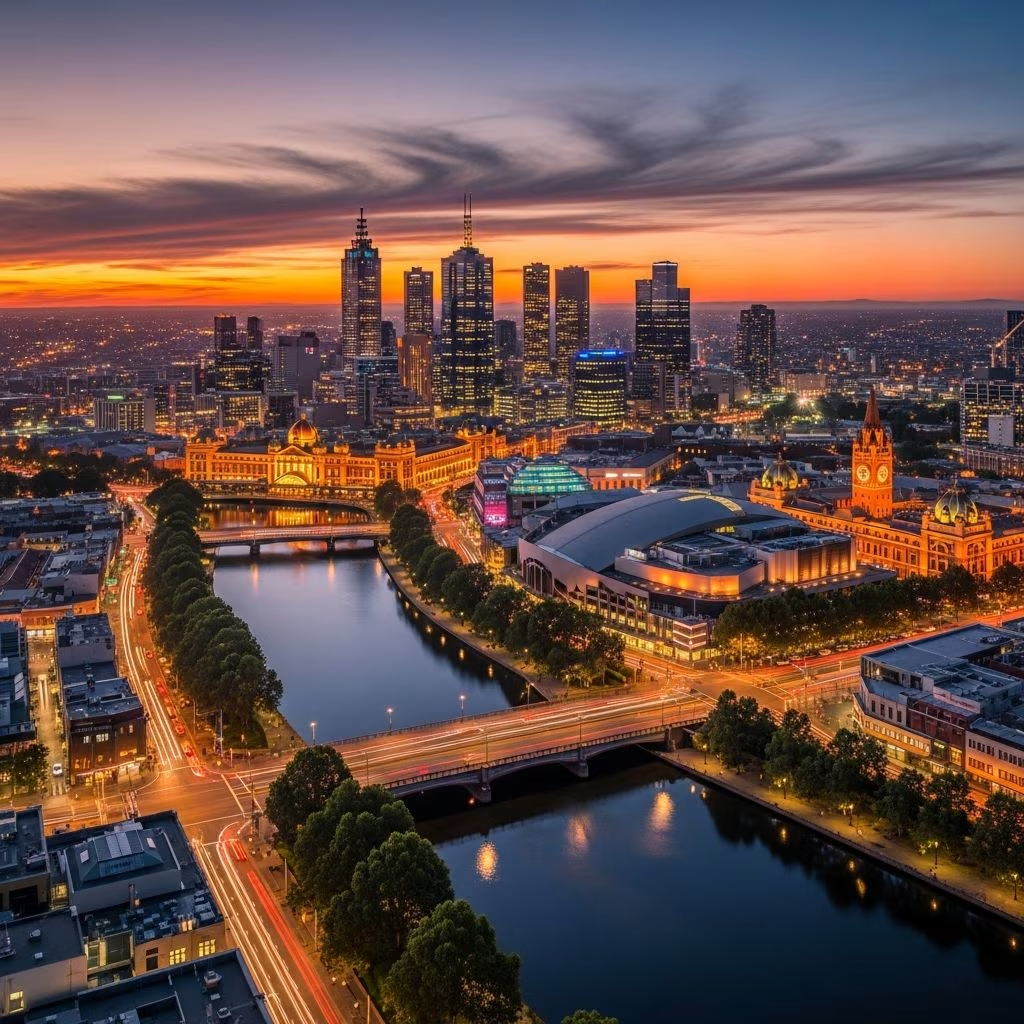
Explore Melbourne's ideal visit times across seasons: shoulder periods for comfort, summer for beaches, winter for savings, with weather, events, and tips.
 Travel Essentials
Melbourne offers diverse experiences year-round, with shoulder seasons like autumn and spring providing the most balanced weather for exploration. March to May and September to November stand out for mild temperatures between 15–25°C, fewer crowds, and vibrant natural displays, making them prime for sightseeing and outdoor pursuits.
Melbourne’s climate is temperate oceanic, characterized by variability even within days. Summers bring heatwaves up to 35°C alongside cool evenings, while winters hover around 10–15°C with potential rain. Shoulder periods deliver consistent comfort, ideal for pedestrians navigating laneways, parks, and bayside paths.
Average monthly temperatures and rainfall guide planning:
| Month | Season | Avg High (°C) | Avg Low (°C) | Rainfall (mm) | Daylight Hours |
|---|---|---|---|---|---|
| Dec-Feb | Summer | 25-27 | 14-16 | 50-60 | 14-15 |
| Mar-May | Autumn | 20-24 | 12-15 | 50-60 | 11-13 |
| Jun-Aug | Winter | 13-15 | 6-8 | 50-60 | 10 |
| Sep-Nov | Spring | 19-25 | 10-14 | 60-70 | 12-14 |
Data compiled from multiple travel analyses shows summer peaks in heat and crowds, winter in affordability, and transitions in scenic beauty.
Autumn transforms Melbourne into a palette of gold and crimson, with parks like the Royal Botanic Gardens showcasing foliage at its peak. Temperatures settle at 15-24°C, sunny days dominate, and rainfall remains low, perfect for hiking the Yarra River trails or cycling coastal paths.
This period suits families and active travelers, offering extended daylight for barbecues in Fitzroy Gardens or markets in Queen Victoria.
Spring revives Melbourne with floral explosions in gardens and along streets. Mild 15-26°C days encourage rooftop dining and open-air markets, though sudden showers demand layers.
Ideal for couples or culture seekers, spring balances warmth with post-winter freshness, minimizing peak-season queues.
Summer draws crowds for its 25-30°C+ heat, longest days (up to 15 hours), and beach vibes at St Kilda or Brighton. Christmas lights glitter, but heatwaves, bushfire risks, and high costs define the high season. Nights cool to 14°C, with occasional rain.
Best for sun-lovers and honeymooners enjoying alfresco romance, though book early for inflated prices and prepare for variability—December can mimic spring.
Winter’s chill (6-15°C) deters crowds, slashing accommodation by 30-50%, ideal for budget explorers. Locals brave the cold for cafes and events; indoor gems like the National Gallery of Victoria or hot springs shine.
Rain is common but manageable with umbrellas; it’s prime for museum marathons, comedy festivals, and cozy laneway eats.
| Traveler Type | Best Season | Why? | Key Activities |
|---|---|---|---|
| Sightseers | Autumn/Spring | Mild weather, low crowds | Parks, walks, gardens |
| Honeymooners | Summer | Romantic warmth, long days | Beaches, dining |
| Budget | Winter | Discounts, fewer tourists | Museums, indoor culture |
| Festival-Goers | March/April, Spring | Event peaks | Arts, sports, markets |
| Beach Enthusiasts | Summer | Hot sun, dry spells | St Kilda, coastal swims |
Melbourne pulses with happenings:
Align visits with passions—sports fans target summer tennis, arts lovers spring fringes.
Variability rules: layer always. Summer needs sunscreen, hats, light clothes plus jackets for evenings; winter requires thermals, waterproofs, scarves. Shoulder seasons favor breathables with rain gear.
| Season | Pros | Cons |
|---|---|---|
| Autumn | Great weather, foliage, festivals | Some early rain |
| Spring | Blooms, energy, value | Unpredictable showers |
| Summer | Beaches, events, daylight | Crowds, heat, costs, fires |
| Winter | Cheap, indoor focus, local vibe | Cold, wet, shorter days |
Winter (June-August) offers the lowest rates on flights and stays due to off-peak demand.
Yes for beaches and events, but expect crowds, heat, and premium prices.
Rainfall is even year-round (50-70mm/month), but spring is wettest; prepare regardless.
Autumn or spring for mild conditions and school-free periods.
Monitor bushfires in summer via government sites; no major seasonal bans.
Prioritize shoulder seasons for optimal balance, but match to goals—sun for beaches, chill for deals. Use public transport passes for efficiency, and apps for real-time weather. Melbourne rewards flexibility, delivering magic in any guise.
