

 Travel Essentials
 Travel Essentials

Navigate Moab's changing seasons to find your ideal travel time. Learn about weather patterns, crowd levels, and activities for each season.
 Travel Essentials
Moab, Utah, transforms dramatically throughout the year, offering distinctly different experiences depending on when you visit. Located in the heart of the Colorado Plateau, this desert destination attracts outdoor enthusiasts seeking adventures among towering rock formations, expansive canyons, and world-class trails. Understanding the seasonal characteristics of Moab helps travelers make informed decisions about timing their visit to match their preferences and activity goals.
The Colorado Plateau creates a unique microclimate where temperatures can fluctuate significantly between seasons and even within a single day. Moab experiences four distinct seasons, each presenting particular advantages and challenges for visitors. The desert’s high elevation—approximately 4,000 feet above sea level—contributes to cooler nights even during warm days, a characteristic that defines much of the year’s weather patterns.
Temperature variations from month to month are dramatic. Winter months see average highs ranging from 36°F to 43°F, while summer temperatures regularly exceed 85°F, with July reaching average highs near 95°F. This wide range means travelers should pack strategically depending on their intended season, as layering becomes essential even during warmer months due to cool evenings.
Spring transforms the desert landscape between March and May, bringing mild temperatures that create ideal conditions for outdoor exploration. March arrives with average highs around 61°F and nighttime lows near 36°F, offering crisp mornings and comfortable daytime conditions. By April, temperatures noticeably increase, with daytime highs climbing to approximately 69°F and lows reaching 43°F. May continues this warming trend, with highs averaging 72°F and lows settling around 52°F.
Despite these pleasant daytime temperatures, spring weather can be unpredictable. Early spring months may bring occasional rain showers and windy conditions, particularly in March and April. These weather patterns, while occasionally challenging for outdoor activities, contribute to desert wildflower blooms that paint the landscape with vibrant colors.
Spring represents peak activity season for most outdoor pursuits in Moab. Hiking becomes particularly rewarding as the weather supports full-day explorations without extreme heat concerns. Popular trails like Delicate Arch in Arches National Park showcase the desert’s geological wonders during this period. Mountain biking conditions reach their best from March through May, with the Slickrock Trail offering technical challenges and stunning vistas.
Wildlife spotting opportunities increase during spring as animals emerge from winter dormancy. Bird watching particularly flourishes during this season as migratory species pass through the region. For those interested in solitude, early mornings before 5 AM and late evenings offer quieter trail experiences.
Spring’s popularity comes with significant crowding challenges. April represents the absolute peak of the high season, with restaurants, hotels, and popular trailheads experiencing maximum visitor volume. Spring break and the Easter Jeep Safari event during this period intensify accommodation pressure, making advance reservations essential. Securing camping spots or lodging requires planning weeks in advance.
Strategic timing within spring can help reduce crowd impacts. Visiting in early March before peak season arrives or transitioning into late May as crowds diminish provides more solitude while maintaining pleasant weather conditions.
Summer in Moab presents a stark contrast to spring’s pleasantness. June through August bring intense heat, with average highs reaching 86°F in June, climbing to 95°F in July, and 92°F in August. These temperatures represent only daytime averages; actual peak heat often exceeds 100°F, particularly during July and August when afternoon conditions become nearly unbearable for sustained outdoor activity.
The intense summer heat dramatically alters how visitors experience Moab. Afternoon temperatures above 100°F create dangerous conditions for extended hiking, particularly on exposed trails where shade is unavailable. The combination of heat and intense solar radiation at high elevation increases dehydration risks and heat-related health concerns.
Successful summer visits require fundamental schedule restructuring. Early morning hiking, starting before sunrise or 5 AM at latest, allows exploration during cooler hours. Sunset activities, including scenic drives through Canyonlands and evening hikes, provide spectacular lighting conditions while temperatures cool.
The Colorado River becomes summer’s centerpiece activity. Rafting and float trips on the river offer natural cooling relief and represent ideal summer pursuits when desert floor temperatures become prohibitive. Water-based activities, including swimming holes and river access points, provide respite from the heat.
Stargazing represents another excellent summer option. Clear desert skies and late-setting sun enable evening stargazing opportunities, with the night sky revealing exceptional clarity away from light pollution. Off-roading and canyon exploration during early morning hours appeals to adventure seekers willing to adjust their schedules.
Paradoxically, summer remains crowded despite excessive heat, though fewer visitors arrive compared to spring and fall. Accommodations remain available more readily than during peak seasons, and some facilities do experience temporary closures. Rafting operations, while popular, maintain regular schedules throughout summer months. Visitors should confirm facility operations before planning summer itineraries.
September through November represents arguably the most favorable season for many Moab visitors. September begins the fall period with average highs around 80°F and lows near 61°F, providing warm but manageable daytime temperatures. October continues this trend with average highs of 76°F and lows reaching 50°F. November transitions toward cooler conditions with highs around 50°F and lows near 30°F.
Fall’s weather combines the mildness of spring with the added benefit of reduced rain and wind. Precipitation becomes minimal, creating extended dry periods ideal for all outdoor activities. Clear skies and stable weather patterns make fall particularly reliable for planning multi-day adventures.
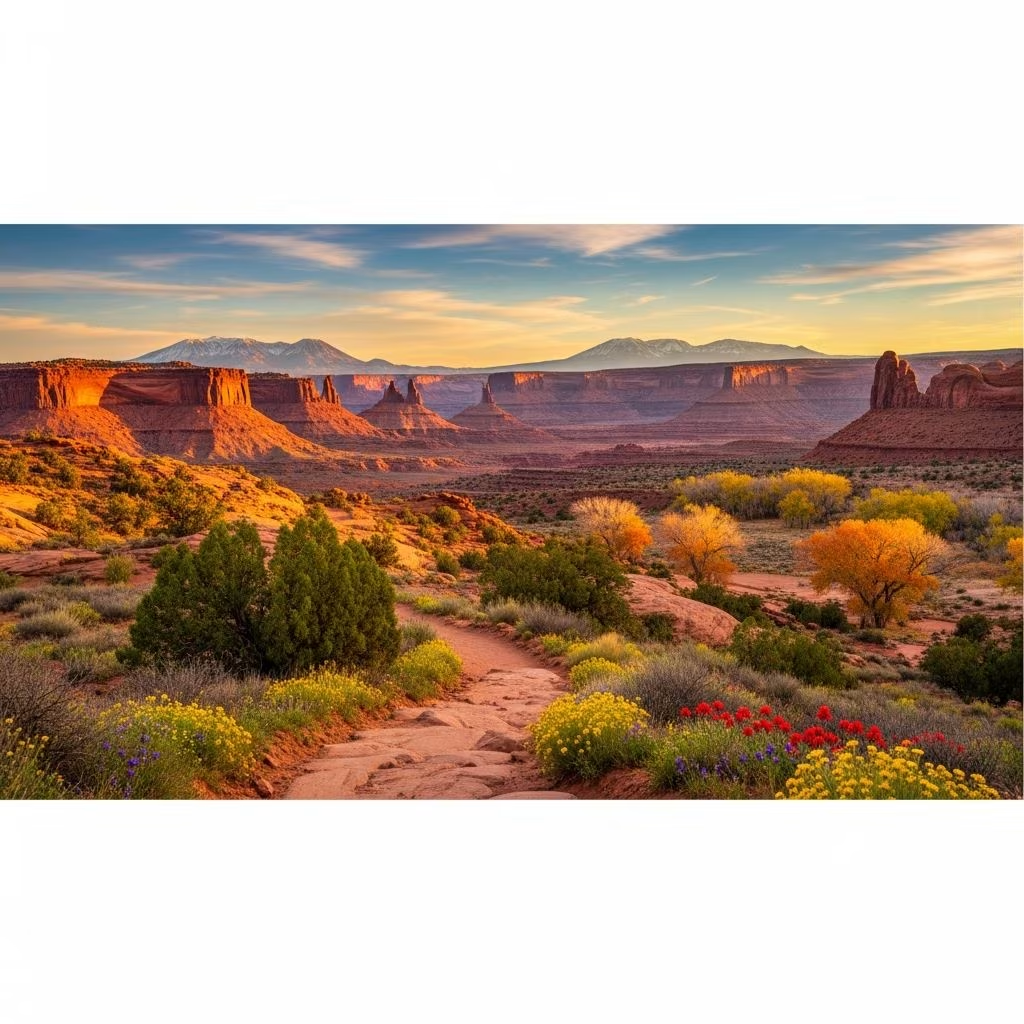
The desert landscape undergoes dramatic transformation during fall months. Canyon walls display warm tones of orange, yellow, and red as changing light angles create enhanced color saturation. These conditions create extraordinary photography opportunities, with soft golden light at sunrise and sunset producing superior image quality compared to other seasons.
The Fiery Furnace area within Arches National Park showcases particularly dramatic color displays during fall months. Rock formations seem to glow with internal warmth as sunlight hits canyon walls at lower angles. This combination of favorable lighting and striking natural colors makes fall especially appealing to photographers and nature enthusiasts seeking aesthetic experiences.
All-day hiking and mountain biking return comfortably during fall months. The Porcupine Rim Trail and other technical mountain biking routes become more accessible as heat concerns diminish. Temperature moderation allows sustained physical activity without extreme heat management strategies required during summer.
Fall also benefits from reduced school schedules as summer vacation ends. This transition period, particularly in September, brings fewer families and younger tourists, creating quieter trails and less congested popular destinations. Returning to more manageable crowd levels while maintaining excellent weather makes fall an underrated alternative to spring’s peak season.
Winter transforms Moab into a dramatically different landscape. December and January bring average highs around 36°F to 43°F with nighttime lows dipping into the single digits. February begins winter’s transition toward spring with slightly milder conditions, yet nightfall remains early, significantly limiting outdoor activity hours.
Snow occasionally blankets the desert during winter months, creating a visually stunning but uncommon phenomenon. When winter precipitation falls as snow rather than rain, iconic rock formations and arches receive coating of crystalline white, fundamentally transforming the landscape’s appearance. However, snow events remain relatively infrequent, with most winters featuring primarily dry conditions and clear skies.
Winter represents the genuine off-season in Moab. Tourist numbers drop dramatically, creating significantly quieter trails and more spacious accommodations. This reduced demand translates directly to substantially lower lodging costs, with hotels and vacation rentals offering winter discounts unavailable during peak seasons.
Trail solitude becomes remarkable during winter months. Popular destinations like Delicate Arch rarely experience crowding, allowing visitors to enjoy iconic locations without crowds. BLM land camping becomes more feasible, with established sites along Highway 128 offering quieter alternatives to main park areas.
Contrary to assumptions, winter offers excellent outdoor opportunities for prepared visitors. Clear winter light provides exceptional visibility for photography and general exploration. The absence of intense summer heat means day-long hiking becomes feasible with appropriate cold-weather gear.
Camping in winter requires proper equipment but remains possible for experienced campers. Hotels offer comfortable winter stays at reduced rates, making lodging accessible for budget-conscious travelers. Some seasonal services, including certain rafting operations, reduce schedules or close temporarily during winter, requiring advance confirmation for specific activities.
| Season | Temperature Range | Crowd Level | Best Activities | Accommodation Availability |
|---|---|---|---|---|
| Spring (Mar-May) | 50-80°F | Very High | Hiking, Biking, Wildlife Spotting | Limited – Book Early |
| Summer (Jun-Aug) | 85-100+°F | Moderate-High | River Rafting, Early Hikes, Stargazing | Moderate |
| Fall (Sep-Nov) | 50-80°F | Moderate | Photography, All-Day Hiking, Biking | Good |
| Winter (Dec-Feb) | 30-45°F | Very Low | Quiet Exploration, Budget Camping | Excellent – Discounted Rates |
Moab hosts numerous events throughout the year that influence travel timing and accommodation availability. The Easter Jeep Safari in April attracts automotive enthusiasts, intensifying spring crowding. The Moab April Action Car Show and Cruise Moab event further concentrate visitors during April.
September brings the Green River Melon Days Festival near Moab, attracting families for agritourism experiences. The Moab Celtic Festival “Scots on the Rocks” in September offers cultural events for interested visitors. Understanding event schedules helps travelers either plan visits around specific festivals or prepare for associated crowd increases.
Peak seasons demand advance planning. Accommodations in popular hotels and vacation rentals require booking weeks or months ahead, particularly during spring and fall. Camping in established parks fills quickly, though BLM land offers alternative options with fewer crowds. Dining reservations at popular restaurants become necessary during peak season months.
Different seasons support different activity emphases. Spring and fall accommodate full-day hiking and mountain biking without heat concerns. Summer requires schedule restructuring toward early mornings and water-based activities. Winter suits outdoor exploration for hardy visitors seeking solitude and photography opportunities.
Seasonal temperatures demand appropriate gear selection. Spring and fall require layering for temperature fluctuations. Summer necessitates extensive sun protection, hydration equipment, and lightweight breathable clothing. Winter visitors need insulated jackets and potentially cold-weather camping gear. Understanding expected conditions ensures comfortable experiences regardless of season.
No single answer exists, as “best” depends on personal preferences. Spring and fall offer ideal weather for most activities but with varying crowd levels. April peaks in crowding, while September-October provides pleasant weather with fewer tourists. Winter appeals to those seeking solitude and budget savings. Summer suits heat-tolerant travelers pursuing water-based activities.
Yes, with schedule adjustments. Starting hikes before 5 AM, enjoying sunset activities, and focusing on river-based pursuits make summer viable. However, temperatures above 100°F remain challenging for traditional daytime exploration, requiring disciplined time management.
Winter camping requires proper cold-weather gear and experience. Average lows in December-January reach the single digits, making hotel stays more practical for unprepared campers. However, experienced winter campers find BLM land and established campgrounds suitable with appropriate equipment.
Spring and fall peak seasons require booking 2-3 months ahead. April specifically demands advance reservations due to Easter Jeep Safari and other events. Summer and winter offer greater booking flexibility, with accommodations available closer to travel dates. Winter actually offers last-minute deals and significant discounts.
Fall provides optimal photography conditions with warm-toned landscapes and soft golden light at sunrise and sunset. Spring offers excellent conditions with wildflower blooms and clear skies. Winter’s clear light and snow-covered formations create dramatic photographs for prepared photographers. Summer’s harsh midday sun creates unfavorable photography windows outside early morning and sunset periods.
Choosing the optimal Moab visit timing requires balancing multiple factors. Weather preferences, crowd tolerance, specific activity goals, and budget constraints collectively inform decision-making. Spring offers peak activity opportunities but demands early planning and accommodates larger crowds. Summer suits river enthusiasts and those comfortable with heat-adapted schedules. Fall provides an underrated balance of excellent weather and moderate crowding. Winter appeals to solitude seekers and budget-conscious travelers willing to embrace seasonal weather.
Each season presents Moab’s unique character. Spring showcases desert renewal with wildflower blooms and flowing rivers. Summer emphasizes heat and water-based relief. Fall displays geological beauty through enhanced color and photography light. Winter provides stark clarity and pristine solitude. Understanding these seasonal nuances enables visitors to plan experiences matching their personal travel philosophy and adventure preferences.
