

 Travel Essentials
 Travel Essentials

Unlock the best periods to visit Montenegro, from spring hikes to summer swims and fall festivals, balancing ideal weather, fewer tourists, and unique events.
 Travel Essentials
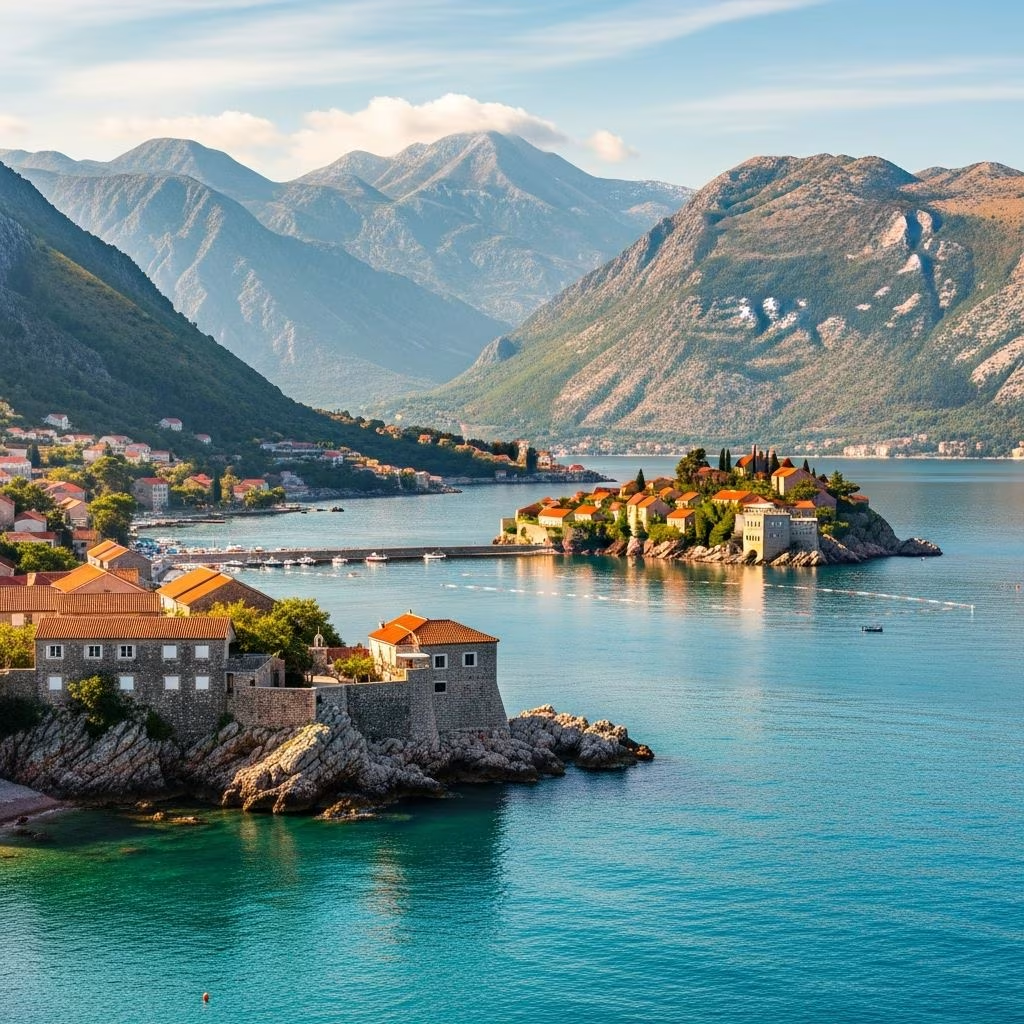
Montenegro, a compact Balkan nation boasting dramatic coastlines, rugged mountains, and historic towns, offers diverse experiences year-round. The prime window for most visitors spans May through early October, when mild to warm conditions prevail along the Adriatic, seas are inviting for swimming, and attractions hum with accessibility. Shoulder seasons like spring and autumn provide optimal balances of comfort, affordability, and tranquility, while summer delivers peak vibrancy at the expense of crowds.
Montenegro’s geography creates distinct microclimates: the coast follows a classic Mediterranean pattern with hot, dry summers and gentle winters, while inland highlands endure cooler, wetter conditions year-round. Coastal areas see average highs from 26°C (79°F) in June to 31°C (88°F) in August, with sea temperatures peaking at 25°C (77°F). Inland, summers remain pleasant around 22–28°C (72–82°F), but winters plunge to -15°C (-5°F) or lower with snow. Rainfall concentrates in fall and winter, averaging 11–13 days monthly from March to May on the coast. These patterns influence the best pursuits: beaches thrive in summer, hikes suit spring and fall, and skiing beckons winter adventurers.
Spring transforms Montenegro into a verdant paradise, ideal for those seeking uncrowded exploration and blooming landscapes. Temperatures climb steadily from 12°C (54°F) in March to 22°C (72°F) by May, with sunnier days emerging late in the season. Wildflowers carpet national parks like Biogradska Gora and Lovćen, drawing hikers to trails alive with orchids, irises, and rock roses. Coastal paths in Kotor and Budva offer mild walks without summer heat, while Lake Skadar’s reed-fringed shores invite birdwatching and gentle boating.
May stands out as a sweet spot, blending 23°C (73°F) averages with open attractions and minimal tourists, making it prime for comprehensive itineraries. Brave swimmers find sea temperatures at 15–20°C (59–68°F) tolerable.
Summer unleashes Montenegro’s Adriatic allure, with sun-drenched beaches, lively promenades, and water sports dominating the scene. Daytime highs reach 26–31°C (79–88°F), and the sea warms to swimmable levels by late June. Towns like Budva, Petrovac, and Ulcinj pulse with energy: beach clubs throb, yacht charters abound, and nightly concerts echo along rivieras. Yet, July–August peaks bring crowds, doubled accommodation prices, and scarce bookings, especially near school holidays.
Inland escapes mitigate the heat: Durmitor and Tara Canyon provide rafting and cooler hikes at 20–25°C (68–77°F), while Prokletije mountains offer wildflower meadows and glacial lakes. Festivals amplify the buzz, from Kotor’s guitar extravaganza to Herceg Novi’s mimosa events.
| Month | Avg. High (°C/°F) | Sea Temp (°C/°F) | Crowd Level | Top Activity |
|---|---|---|---|---|
| June | 26/79 | 22/72 | Moderate | Beach hopping |
| July | 29/84 | 25/77 | High | Water sports |
| August | 31/88 | 25/77 | Peak | Festivals |
June shines for balanced vibrancy without August’s intensity, while savvy travelers favor early mornings for hikes and evenings for nightlife.
Fall extends summer’s warmth with a serene twist, delivering warm seas into October alongside harvest hues in vineyards and forests. September mirrors summer at 27°C (81°F), thinning crowds yield peaceful beaches, and inland drives reveal fiery foliage. Water stays balmy at 22–24°C (72–75°F), ideal for final dips before November’s chill at 16°C (61°F).
September–October emerges as a top pick for value: rates drop, facilities remain open, and the pace slows for immersive stays. Rain increases by November, shifting focus to indoor heritage sites like Ostrog.
Winter quiets Montenegro’s coast for budget explorers, with mild 10–15°C (50–59°F) days and occasional snow-dusted bays. Inland, Durmitor and Bjelasica transform into ski havens, with pistes open January–March amid -5 to 5°C (23–41°F) highs. Kotor’s medieval walls gleam under crisp skies, and Herceg Novi hosts citrus-scented carnivals. Fewer openings mean advance planning, but slashed prices lure off-season adventurers.
Crowds and Costs: Peak July–August spikes prices 50–100%; shoulders offer 20–40% savings. Activities: Beachgoers prioritize June/September; hikers, May/October; skiers, January. Events: Spring blooms, summer music, fall wines, winter carnivals punctuate each quarter.
| Month | Coast High (°C/°F) | Inland High (°C/°F) | Rain Days | Best For |
|---|---|---|---|---|
| Mar | 15/59 | 10/50 | 11–13 | Sightseeing |
| Apr | 18/64 | 14/57 | 12 | Early hikes |
| May | 22/72 | 19/66 | 9–10 | All-around |
| Jun | 26/79 | 24/75 | 7 | Beaches |
| Jul | 29/84 | 27/81 | 5 | Peak fun |
| Aug | 31/88 | 28/82 | 6 | Festivals |
| Sep | 27/81 | 24/75 | 8 | Shoulder bliss |
| Oct | 22/72 | 18/64 | 10 | Harvests |
| Nov | 16/61 | 11/52 | 12 | Budget culture |
| Dec–Feb | 12–15/54–59 | -5–5/23–41 | 14+ | Skiing |
May or September: Warm weather, open sites, low crowds, and versatile activities.
Yes, for skiing in the north and mild coastal walks, though with rain and closures.
Very in July–August; opt for early June or late September to avoid peaks.
Comfortably May–October; hardy swimmers manage spring/fall at 15–20°C.
November–February, especially inland; coast sees less but more frequent showers.
