

 Travel Essentials
 Travel Essentials

Explore Nepal's seasonal climate patterns, festival calendars, and optimal travel windows for trekking, wildlife viewing, and cultural immersion year-round.
 Travel Essentials
Nepal’s geographical diversity and monsoonal climate create distinct seasonal patterns that dramatically influence travel conditions, visibility, and visitor experience. Understanding these variations enables travelers to align their journeys with personal preferences, whether prioritizing mountain vistas, cultural engagement, or solitude on trekking trails. The nation’s weather patterns follow predictable cycles that have shaped centuries of local life and continue to define the tourism calendar today.
Nepal operates within a monsoonal climate system characterized by four distinct seasonal phases. This climatic structure divides the year into clearly delineated periods, each with unique atmospheric conditions, temperature ranges, and precipitation patterns. The interplay between altitude variations—ranging from subtropical lowlands to the world’s highest peaks—creates microclimates that offer different experiences throughout the country simultaneously.
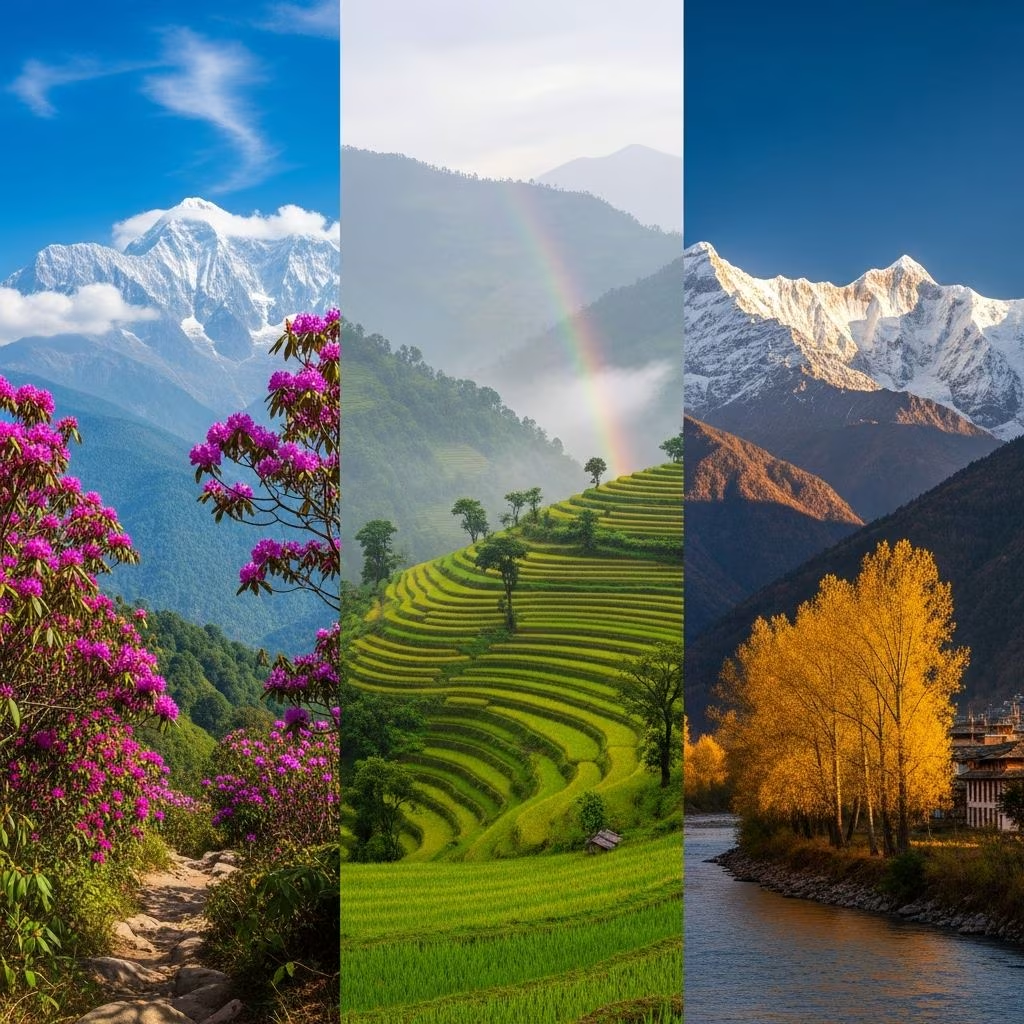
The moisture-laden winds that sweep across the Indian Ocean between June and September create the monsoon period, fundamentally reshaping Nepal’s landscape and travel conditions. During these months, daily rainfall becomes routine, cloud cover obscures mountain views, and trekking routes become muddy and challenging. However, this same precipitation triggers lush vegetation growth and creates dramatic green scenery unique to this season.
Late September through November represents the pinnacle of Nepal’s travel calendar. This extended period combines optimal atmospheric conditions with cultural festivities, making it the most sought-after time for international visitors. October and November particularly stand out as the core weeks when weather patterns align most favorably with outdoor activities and sightseeing objectives.
Autumn weather in Nepal transitions dramatically from summer’s oppressive humidity and rainfall. As September progresses, the monsoon system retreats, allowing atmospheric moisture to dissipate and revealing crystalline skies. Temperatures during October and November range between 15°C and 24°C (59°F to 75°F), creating comfortable conditions for sustained outdoor activity without the extremes of summer heat or winter cold.
The clarity that emerges after monsoon rains clears creates exceptional visibility for mountain photography and observation. Peaks previously hidden behind cloud cover emerge in sharp relief, offering the panoramic vistas that define the Nepal trekking experience. This visibility advantage makes autumn the preferred season for high-altitude expeditions and base camp treks.
The autumn season synchronizes with Nepal’s most significant cultural celebrations, adding spiritual and social dimensions to travel experiences. Dashain, typically occurring in October, represents Nepal’s largest annual festival, honoring the triumph of good over evil through multi-day family gatherings, traditional rituals, and community festivities. While this period transforms Kathmandu as residents return to ancestral homes and many businesses temporarily close, travelers willing to navigate reduced commercial services gain authentic cultural immersion unavailable during standard business periods.
Tihar, the festival of lights appearing in November, creates different opportunities for visitor engagement. Unlike Dashain’s more family-centered observances, Tihar welcomes broader public participation. The festival transforms urban and rural landscapes with illuminated rangoli decorations, colorful patterns adorning homes and businesses, and ceremonial light displays. Witnessing these celebrations firsthand offers profound insights into Hindu traditions and contemporary Nepali culture.
Nepal’s spring season presents the second-most favorable travel window, offering distinct advantages from autumn while presenting different atmospheric characteristics. The period from March through May combines dry, stable weather with warming temperatures that support mountain activities while maintaining reasonable comfort levels in lowland regions.
March initiates spring with moderate temperatures and minimal precipitation, creating ideal trekking conditions. As April arrives, temperatures climb noticeably, with Kathmandu and Pokhara potentially reaching the low 30s Celsius (mid-80s Fahrenheit) by month’s end. However, higher altitudes remain comfortably cool, making mountain zones increasingly attractive as valley temperatures rise.
May represents spring’s final month before monsoon arrival, with afternoon showers becoming increasingly frequent toward month’s end. Despite this moisture trend, rainfall typically remains insufficient to disrupt travel plans significantly. The temperature gradient between lowlands and highlands becomes more pronounced, creating distinct microclimates within short distances.
Spring brings Nepal’s rhododendron blooms, transforming mountainous regions with spectacular floral displays. These flowering periods coincide with clear skies, creating photography opportunities and natural beauty that complement trekking experiences. Mountain meadows and forest ecosystems display renewed vitality after winter dormancy, appealing to nature enthusiasts and photographers seeking dynamic landscape imagery.
Winter months attract travelers seeking solitude, clear skies, and reduced tourist congestion, despite cold temperatures that present specific challenges and requirements. January offers particular advantages for trekking enthusiasts willing to embrace cold conditions. The month experiences minimal rainfall, consistently clear skies, and spectacular mountain visibility—advantages that outweigh temperature disadvantages for properly equipped trekkers.
December and January bring temperature drops that can reach 43°F (6°C) as average lows, with higher elevations experiencing substantially colder conditions. Despite these cold temperatures, the absence of precipitation and cloud cover creates phenomenal visibility for mountain observation and photography. Popular trekking routes like Everest Base Camp and the Annapurna Circuit experience dramatically reduced foot traffic, transforming crowded pathways into peaceful wilderness experiences.
February gradually warms as the season progresses, with weather patterns remaining dry and skies predominantly clear. Late February transitions toward spring patterns, offering improved temperature conditions while maintaining winter’s visibility advantages.
Chitwan National Park reaches optimal visiting conditions during winter months, particularly November through February. Cooler temperatures concentrate wildlife around watering holes, increasing observation opportunities for tigers, rhinoceroses, and migrating birds. The clear atmospheric conditions facilitate wildlife photography and extended observation periods without the discomfort of summer heat or monsoon precipitation.
The weeks immediately preceding and following primary seasons offer distinct advantages for travelers prioritizing solitude, lower costs, and flexibility over guaranteed perfect conditions. Mid-September presents an excellent shoulder season option, allowing visitors to avoid peak autumn crowds while still benefiting from emerging clear skies as monsoon patterns dissipate.
December similarly functions as a transition period, maintaining winter’s clear skies while gradually warming toward spring patterns. May’s final weeks, though warmer and increasingly humid, still provide acceptable trekking conditions for determined travelers seeking spring flora with reduced crowds compared to April’s peak period.
The June through September monsoon period typically discourages traditional tourism due to persistent rainfall, reduced mountain visibility, and challenging trekking conditions. However, this season offers alternative attractions often overlooked by mainstream travel guides. Drastically reduced tourist numbers create peaceful trekking experiences for adventurous travelers equipped for wet conditions. Lush vegetation reaches peak greenness, creating dramatic landscape photography opportunities unavailable during drier seasons.
Cultural sites remain fully accessible, with festivals and religious observances continuing uninterrupted. Accommodations, guides, and services offer significantly reduced pricing during this period, making Nepal substantially more affordable for budget-conscious travelers. Local communities function normally, enabling deeper cultural engagement without the commercial pressure accompanying peak seasons.
Nepal’s dramatic elevation changes create distinct regional climate patterns that diverge from national generalizations. The Terai region—Nepal’s subtropical southern plains—experiences warmer, more humid conditions compared to highland areas. Chitwan National Park remains pleasantly warm during winter months when highland areas become cold, making regional preferences dependent on specific destinations within Nepal.
The Kathmandu Valley maintains moderate temperatures year-round due to its mid-range elevation (approximately 1,300 meters), experiencing less extreme conditions than both lowland and high-altitude zones. Pokhara, situated similarly at moderate elevation but closer to monsoon moisture sources, experiences slightly different precipitation patterns than the capital city despite geographic proximity.
High-altitude trekking requires specific atmospheric conditions and temperature ranges optimal during spring and autumn months. January’s clear skies attract winter trekkers despite cold challenges, while May’s waning season attracts budget-conscious travelers accepting afternoon moisture for solitude benefits. Summer monsoon trekking remains technically possible but requires specialized preparation and expertise.
Rafting and kayaking on Nepali rivers require adequate water volume and appropriate temperature conditions. Autumn months provide excellent conditions with substantial water flow from monsoon rainfall combined with comfortable temperatures for water immersion. Winter runs create technical challenges due to reduced water volume, while monsoon waters present safety risks from excessive flow and visibility reduction.
Landscape and wildlife photography demands clear visibility, favorable lighting conditions, and subject accessibility. Autumn’s transparent skies and spring’s floral displays attract specialized photography tours, while monsoon’s dramatic cloud formations and lush vegetation appeal to specific artistic visions. Winter’s low-angle sun creates distinctive lighting effects for mountain and valley photography.
Peak season travel (October-November) coincides with higher accommodation rates, increased guide costs, and inflated service pricing throughout Nepal. Budget-conscious travelers considering shoulder seasons or winter periods can achieve significant savings while sacrificing comfort or visibility advantages. Monsoon season offers the lowest pricing but requires acceptance of weather-related compromises and reduced commercial availability in some areas.
| Travel Priority | Optimal Season | Secondary Option | Key Consideration |
|---|---|---|---|
| Mountain Trekking | October-November | March-April | Clear skies, stable weather |
| Budget Travel | June-September | December-February | Lowest prices, reduced crowds |
| Wildlife Viewing | November-February | March-April | Concentrated animal activity |
| Cultural Festivals | October-November | February-March | Authentic celebrations |
| Photography | October-November | May (spring blooms) | Optimal lighting and subjects |
Nepal remains open year-round, though specific regions or activities may have seasonal restrictions. High-altitude trekking above 4,000 meters becomes extremely dangerous and generally inadvisable during winter due to snow, ice, and extreme cold. Monsoon flooding may occasionally close specific valley routes temporarily, but alternative paths typically remain accessible.
Yes, though monsoon trekking requires specialized experience, proper equipment, and acceptance of reduced visibility and muddy conditions. Lower-altitude treks below 2,000 meters remain more feasible than high-altitude routes. Many experienced trekkers specifically choose this season for solitude and adventurous experiences.
December experiences significantly fewer visitors than peak October-November months, offering a transition between crowds and solitude. Holiday-period international travelers do visit during late December through early January, creating minor population spikes around Christmas and New Year observances.
Chitwan National Park and the Terai lowlands maintain significantly warmer temperatures compared to highland regions during winter, making these southern areas more comfortable for cold-sensitive travelers during December-February periods.
October and November demand advance reservations of 2-3 months for premium accommodations, especially in Kathmandu and Pokhara. Budget options may have availability with shorter notice, though popular guesthouses and tour operators book rapidly during peak season.
