

 Travel Essentials
 Travel Essentials

Unlock the best periods to visit New England, from vibrant fall colors and summer beaches to winter sports and spring blooms, with tips on weather, crowds, and costs.
 Travel Essentials
New England, encompassing the states of Connecticut, Maine, Massachusetts, New Hampshire, Rhode Island, and Vermont, offers a diverse array of experiences shaped by its four distinct seasons. Whether you’re drawn to coastal beaches, mountain hikes, historic cities, or snowy slopes, timing your visit can transform a good trip into an extraordinary one. This guide breaks down the seasonal highlights, weather expectations, crowd levels, and cost considerations to help you choose the right window for your adventure.
Each season in New England brings unique charms and challenges. Spring awakens the landscape with blooms, summer buzzes with beachgoers, fall explodes in color, and winter blankets the region in snow. Understanding these patterns allows travelers to align their interests—be it foliage viewing, skiing, or lobster feasts—with optimal conditions.
Average temperatures vary widely: summers hit 70-85°F (21-29°C), falls range 50-70°F (10-21°C), springs 45-65°F (7-18°C), and winters dip to 20-40°F (-7-4°C).
Spring in New England is a time of renewal, with mud season giving way to blooming landscapes and reopening attractions. Late April through May stands out as the prime window, when daffodils carpet fields and coastal towns stir to life. Expect mild days perfect for hiking in the Berkshires or strolling Boston’s Freedom Trail without summer crowds.
Weather can be unpredictable—lingering snow in March transitions to muddy April trails, but by mid-May, conditions stabilize. This shoulder season means lower hotel rates and easier reservations at farm-to-table spots in Vermont. Festivals like Nantucket’s Daffodil Festival add cultural flair, celebrating local heritage with parades and garden tours.
| Month | Avg High (°F) | Key Activities | Crowd Level |
|---|---|---|---|
| March | 45 | Early skiing, indoor museums | Low |
| April | 55 | Birdwatching, maple sugaring | Low-Medium |
| May | 65 | Hiking, whale watching starts | Medium |
May and early June offer budget-friendly travel with mild weather, ideal for road trips along the Maine coast or exploring Providence’s arts scene.
Summer transforms New England into a coastal paradise, with warm waters inviting swims at Cape Cod or Rhode Island’s beaches. July and August deliver the hottest days, buzzing seaside villages, and open lobster shacks from Portland to Newport. Cruising seasons launch in late May, peaking through October for scenic voyages past lighthouses and islands.
However, this high season brings peak prices and crowds, especially around July 4th and Labor Day. For a summery escape minus the throng, opt for early June or late August. Families flock here for amusement parks like Six Flags New England, while sailors enjoy regattas in Marblehead.
Temperatures average 70-85°F, with occasional humidity, making it prime for kayaking Acadia National Park or biking the Cape Cod Rail Trail.
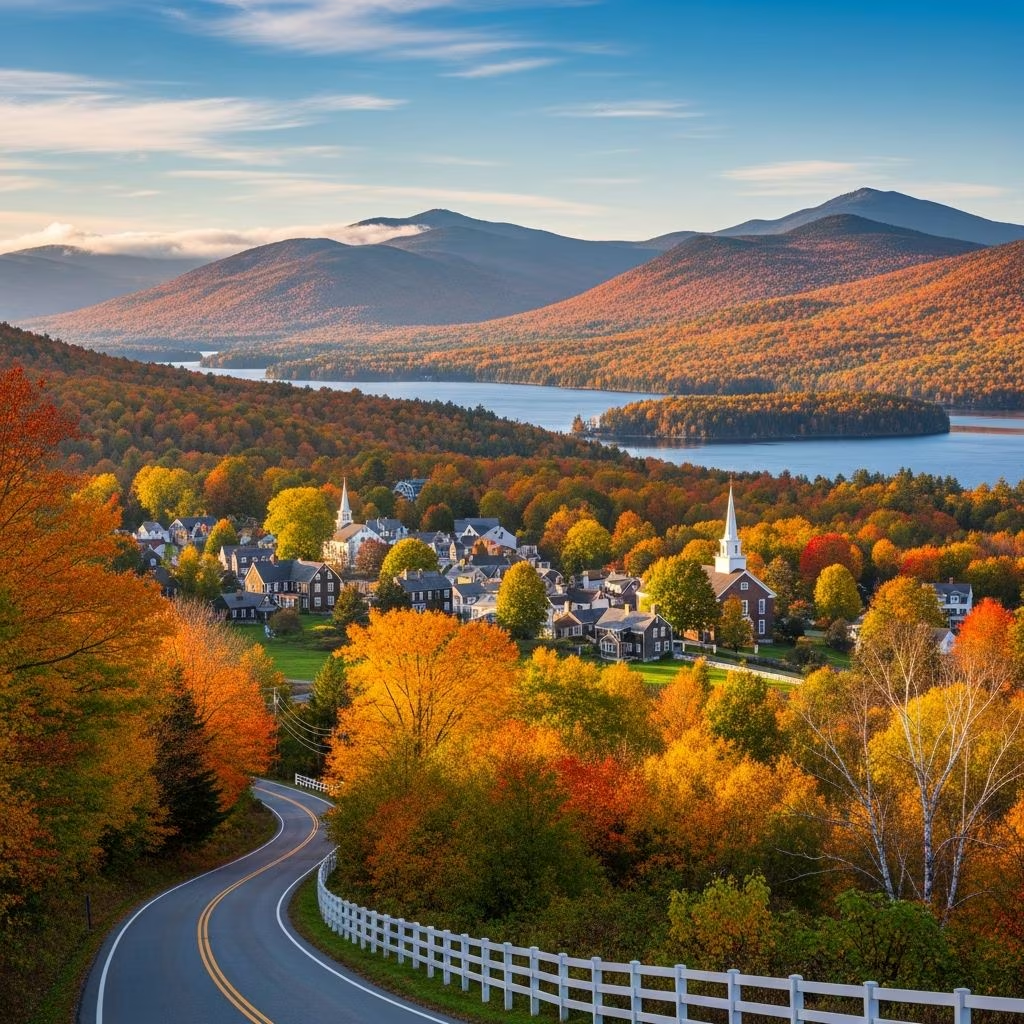
Fall is New England’s crown jewel, renowned for foliage that paints hillsides in crimson, gold, and amber. September through mid-October is the sweet spot, with early autumn offering lingering summer warmth and fewer crowds than peak leaf-peeping in October.
Peak colors vary by elevation and latitude: Northern areas like Vermont’s Green Mountains and New Hampshire’s White Mountains blaze first (late September to early October), followed by Massachusetts and Connecticut (mid to late October). Chase the colors via Kancamagus Highway or Mohawk Trail for breathtaking drives. Harvest events, apple picking in orchards, and pumpkin festivals enhance the experience.
Post-foliage November quiets down, slashing costs while towns like Salem host Halloween haunts. Crisp 50-70°F days are perfect for hiking Franconia Notch or touring historic Concord.
Winter suits thrill-seekers, with world-class skiing in Vermont (Stowe, Killington) and New Hampshire (Bretton Woods). Resorts open from November, but January-March guarantees deep snowpack for consistent powder.
Holiday magic peaks in December: Boston’s tree lighting, Newport’s mansions aglow, and Vermont’s Christmas markets. Beyond slopes, try snowshoeing in the Adirondacks or ice fishing on frozen lakes. Temperatures plummet, but cozy inns and hearty chowders provide warmth.
| Region | Top Ski Spots | Peak Snow Months |
|---|---|---|
| Vermont | Stowe, Sugarbush | Jan-Mar |
| New Hampshire | Cannon, Loon | Dec-Feb |
| Maine | Sunday River | Jan-Mar |
To stretch your dollar, target off-peak shoulders: late March-April and November. These periods dodge foliage frenzy and summer surges, with accommodations 30-50% cheaper. Spring mud season deters crowds, while post-Thanksgiving fall offers quiet exploration.
May, early June, and September blend value and comfort—mild weather, open attractions, reduced rates. Avoid July-August weekends and mid-October for savings.
New England’s compact size hides microclimates. Coastal areas stay milder longer, while mountains turn earlier. For 2026 foliage:
Warmer trends may shift peaks slightly later; monitor apps like SmokyMountains.com for real-time maps.
Weather Prep: Pack layers year-round—microclimates swing 20°F daily.
Transportation: Fly into Boston Logan (BOS) or Manchester (MHT); rent cars for rural gems.
COVID/Events: Check state guidelines; book foliage tours early.
Sustainable Travel: Stick to trails, support local farms.
Typically mid-September to mid-October, varying by state: north first, south later.
Water’s chilly, but early season means empty sands and deals.
January-March for reliable snow.
Choose weekdays, mid-week, or shoulder months like June/September.
Late March-April or November.
