

 Travel Essentials
 Travel Essentials

Unlock the perfect visit windows for New Zealand's North and South Islands, covering peak summer vibes, shoulder season serenity, and winter wonders with weather insights and activity tips.
 Travel Essentials
New Zealand’s diverse climates and landscapes make timing your trip crucial for maximizing enjoyment. Summer from December to February offers the warmest weather for outdoor pursuits, while shoulder seasons provide milder conditions with fewer visitors.
New Zealand experiences reversed seasons compared to the Northern Hemisphere, with summer peaking from December through February. Temperatures typically range from 20-25°C (68-77°F) during these months, ideal for beach days and extended hikes under long daylight hours.
The North Island tends to be subtropical and milder year-round, while the South Island sees more dramatic shifts, including cooler summers and heavier winter snows. Rainfall is frequent across both, so flexible planning is key regardless of season.
December to February draws the largest crowds with sunny skies and temperatures in the high 60s to low 70s°F. This period suits beach lounging in the Bay of Islands, hiking national parks, and road trips along scenic coasts.
Daylight stretches until nearly 10pm, perfect for evening explorations. However, book accommodations early, especially around Christmas and New Year’s, as domestic holidays spike demand.
| Region | Avg High Temp (°C) | Key Activities |
|---|---|---|
| North Island | 22-25 | Beaches, sailing, festivals |
| South Island | 18-22 | Hiking, wildlife spotting, wine tours |
January and February shine for orca sightings off Kaikoura and grape harvests in Marlborough.
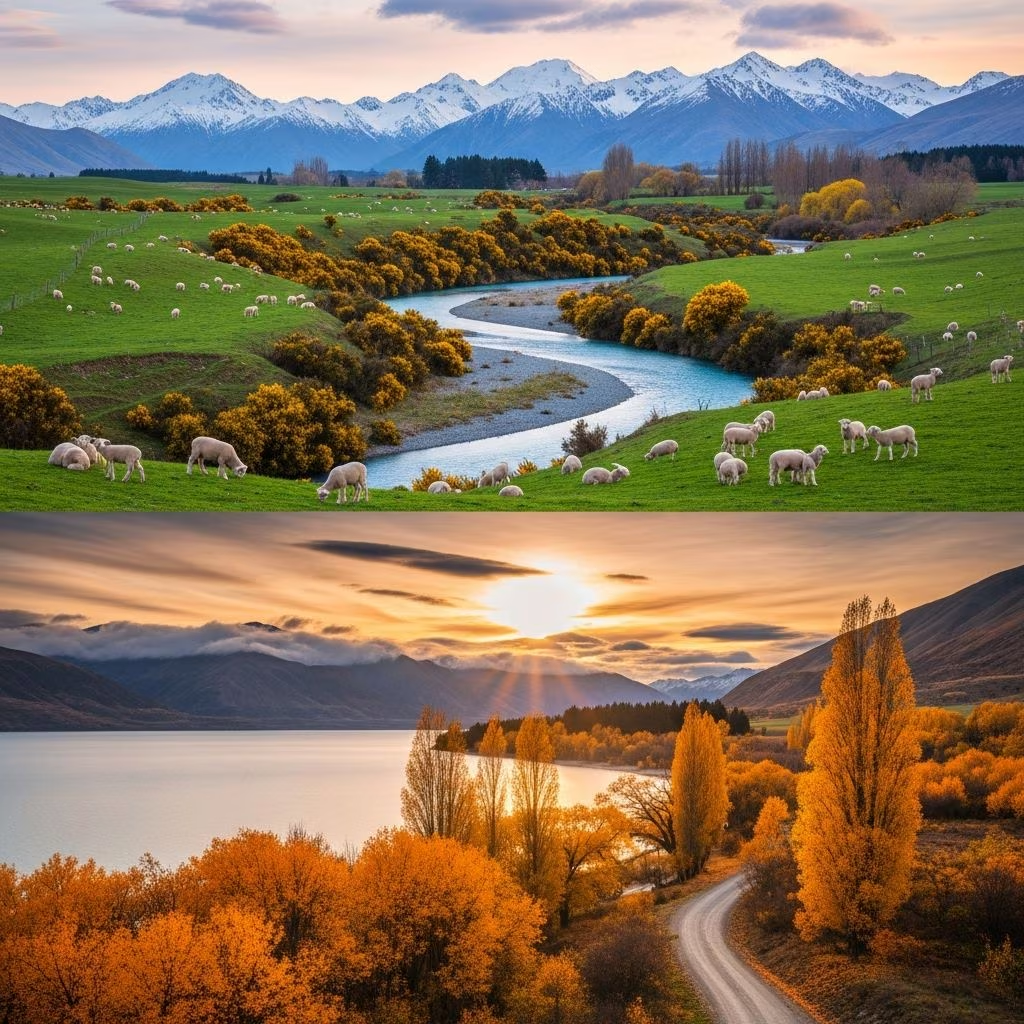
March to May brings comfortable 15-20°C (59-68°F) days with crisp evenings and fewer tourists. Foliage turns vibrant, enhancing scenic drives through Fiordland and Central Otago.
This shoulder season favors hiking the Great Walks like Milford and Routeburn, with huts opening post-winter. Ocean temps remain swimmable early on, ideal for watersports.
March stands out for warm, settled weather without peak crowds, though South Island chills can surprise.
June to August transforms the Southern Alps into a skier’s paradise, with resorts like Queenstown and Wanaka buzzing. North Island stays mild at 12-15°C (54-59°F), great for urban escapes or geothermal soaks.
Expect shorter days and rain, but lower prices and empty trails appeal to budget travelers. Whale watching peaks, and stargazing in dark-sky reserves is unmatched.
September to November awakens the islands with wildflowers and lambing season. Temps climb to 14-20°C (57-68°F), though showers and winds are common—pack layers.
Hiking season launches late October on DOC tracks; book huts via the Department of Conservation site from May. Mountain biking in Queenstown ramps up as snow melts.
November offers lush greens and snow-capped peaks, blending seasons beautifully with minimal lines at attractions.
Warmer and wetter, the North excels January-April for sailing Auckland’s harbors, surfing Raglan, or hiking Tongariro. Shoulder months like March-April yield tranquility post-summer rush.
Cooler and drier in summer, it’s prime December-March for glaciers, fjords, and alpine treks. Autumn enhances colors; winter rules for snow sports.
| Season | North Island Best For | South Island Best For |
|---|---|---|
| Summer | Beaches, volcanoes | Tramps, cruises |
| Shoulder | Cultural festivals | Foliage hikes |
| Winter | Geothermal sites | Skiing, whales |
Microclimates vary wildly: expect four seasons in a day. South Island’s west coast is rainiest; east drier. Monitor MetService forecasts.
Peak summer inflates prices 20-50%; shoulders save 20-30%. Avoid late December-mid-January blackouts—book 6-12 months ahead for campsites and tours.
October-November and March-April balance value and vibrancy.
May to August offers the lowest rates, especially mid-winter, with deals on accommodations despite ski premiums.
Yes, but summer aligns with school holidays; shoulders provide space for interactive attractions like Hobbiton.
Lower trails yes, but high routes close; stick to maintained paths and check DOC alerts.
200-300 rainy days annually, but showers are short; west coasts wetter than east.
November-March: Reliable weather, open roads.
Visit in shoulders to ease overcrowding. Use DOC passes for tramps, support local operators, and follow Leave No Trace. Off-season aids wildlife recovery.
