

 Travel Essentials
 Travel Essentials

Navigate Oman's climate throughout the year to plan your perfect trip, from cool winter months ideal for outdoor activities to summer's unique monsoon season.
 Travel Essentials
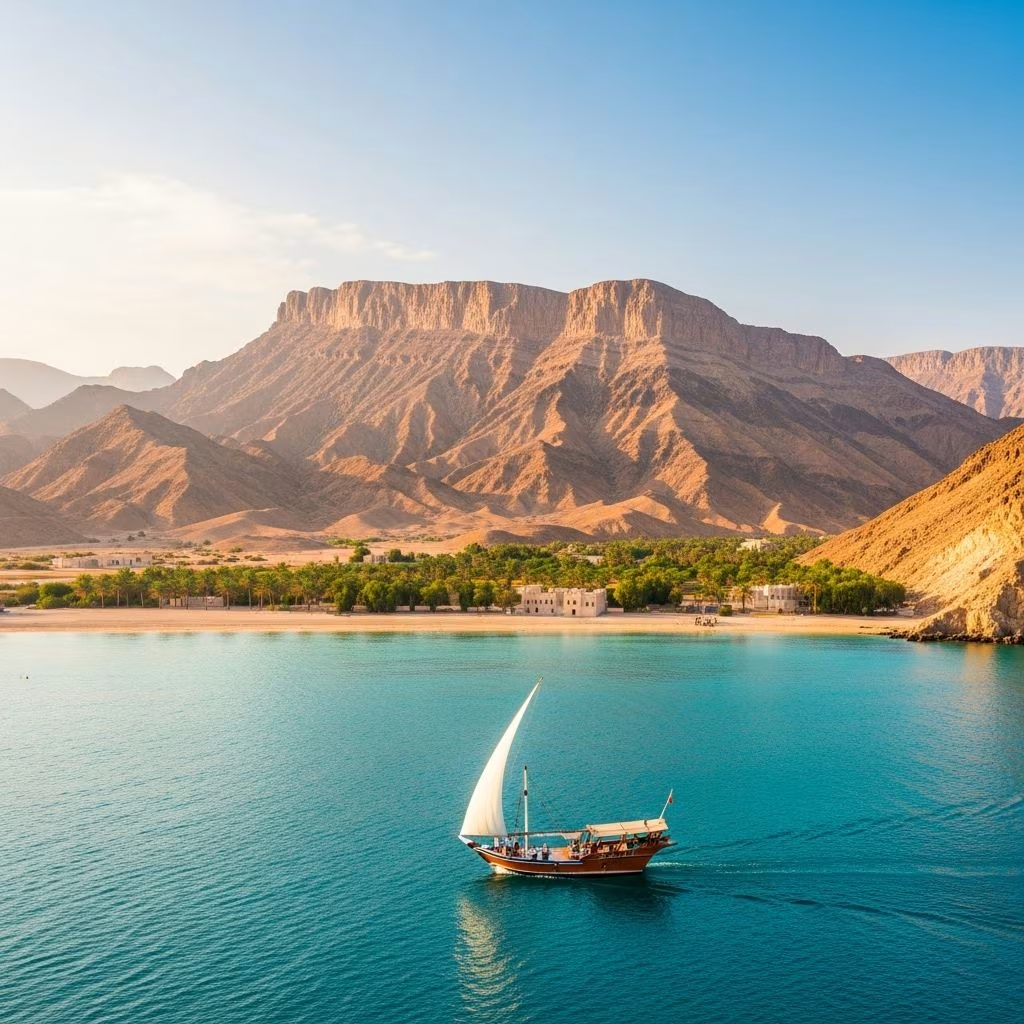
The Arabian Peninsula’s jewel, Oman, attracts travelers throughout the year with its dramatic desert landscapes, pristine beaches, and rich cultural heritage. However, understanding the country’s seasonal variations can dramatically enhance your travel experience. Whether you’re drawn to mountain hiking, desert exploration, or cultural immersion, timing your visit strategically ensures you encounter optimal conditions for your chosen activities.
Oman experiences distinct seasonal patterns that significantly influence travel feasibility and enjoyment. Located in the southeastern corner of the Arabian Peninsula, this nation sits in a subtropical desert climate zone where temperature fluctuations between seasons can be extreme. Throughout most of the country, conditions shift dramatically from pleasantly warm winters to intensely hot summers, though certain regions maintain unique microclimates that offer respite during peak heat.
The Arabian Sea’s influence moderates coastal temperatures while inland areas experience more pronounced temperature swings. Understanding these variations helps travelers select departure dates that align with their intended activities, physical tolerance levels, and budget constraints.
The period spanning October through March represents the optimal window for most visitors to explore Oman comprehensively. During these months, daytime temperatures typically range between 15°C to 30°C (60°F to 85°F), creating comfortable conditions for sustained outdoor exploration. Nighttime temperatures cool considerably, often dropping to pleasant levels that make desert camping and evening activities thoroughly enjoyable.
October marks the gateway to this golden season as summer’s oppressive heat finally retreats. This month particularly appeals to nature enthusiasts, as the fall harvest brings forth fresh walnuts, pomegranates, and olives throughout the countryside. The transition into autumn weather rejuvenates local communities and signals the beginning of Oman’s most vibrant travel season.
December through February constitute the absolute peak of Oman’s tourism season, when accommodations book rapidly and visitor numbers surge considerably. December stands out as the year’s coolest month, with average daytime temperatures hovering around 26°C (approximately 79°F). This coolness creates ideal conditions for virtually every activity, from challenging mountain treks to leisurely souk explorations.
Travelers should anticipate that January and February occasionally experience brief, intense rainfall despite the generally arid climate. These short-duration downpours typically last only hours but can temporarily impact outdoor plans. Reservations for lodging and guided tours should be arranged well in advance during these months, as popular destinations and accommodations operate at or near full capacity.
March and April usher in springtime conditions with dramatically transformed mountain landscapes. The famous Jebel Akhdar (Green Mountain) becomes particularly spectacular during April as damask roses reach their full bloom. During this season, terraced rose fields transform into vibrant tapestries of color, and traditional rose water production accelerates, offering visitors authentic cultural experiences unavailable at other times.
Temperatures climb gradually through these months, rising toward 95°F but remaining manageable for most activities. The shoulder season status means reduced tourist density compared to winter months, resulting in lower accommodation prices and more personalized experiences with tour operators. For budget-conscious travelers, April represents an especially attractive option, combining manageable prices with continued favorable weather conditions.
The transitional months bookending Oman’s peak season present distinct advantages for particular traveler profiles. May experiences warming temperatures but remains suitable for outdoor activities before truly scorching conditions dominate. Accommodation pricing drops noticeably, and crowding diminishes substantially, appealing to independent travelers seeking more intimate interactions with local communities.
September through early November bridges the gap between summer’s conclusion and winter’s arrival. During autumn months (September, October, November), temperatures gradually moderate from summer extremes to more comfortable ranges. September through November represents an official shoulder season for Oman tourism, with September being the least crowded month yet still containing residual heat from preceding months.
Summer presents genuine challenges for most travelers outside specialized contexts. Temperatures routinely exceed 40°C (104°F) in most regions, with some interior areas experiencing readings surpassing 45°C (113°F). Humidity compounds the discomfort, particularly in coastal zones, creating conditions that limit outdoor activities to early morning or evening hours.
The northern majority of Oman becomes functionally inhospitable during mid-day hours, with prudent travelers avoiding outdoor exposure between 11 a.m. and 2 p.m. The scorching heat poses legitimate health risks including heat exhaustion and severe dehydration, particularly for unacclimatized visitors.
A dramatic exception exists in southern Oman’s Dhofar region, specifically around Salalah. The khareef (monsoon season) transforms this region during June through August, creating an entirely different climatic experience from the brutal heat elsewhere. Monsoon winds and moisture create lush, verdant landscapes dramatically contrasting with the arid expanse characterizing most of Oman.
Salalah experiences significantly cooler temperatures during khareef compared to surrounding regions, making it a preferred summer destination. Humidity increases considerably, and occasional rainfall occurs, but the overall climatic profile becomes far more temperate than northern areas. This transformation makes Salalah worthy of specific consideration for summer travelers who desire continued exploration despite extreme northern temperatures.
Desert camping, mountain trekking, and hiking expeditions demand the October through March window. These activities require sustained physical exertion in exposed conditions, making cooler months essential. Wahiba Sands (also called Sharqiya Sands) offers particularly rewarding desert camping experiences during peak season when overnight temperatures become genuinely pleasant.
Mountain activities, especially sustained hiking on elevated terrain, benefit from cooler conditions and reduced humidity. Jebel Akhdar provides spectacular trekking opportunities throughout the October-March period, with April offering a final window before summer heat relegates high-altitude exploration to early morning endeavors only.
Beaches remain accessible year-round but present varying appeal depending on seasonal conditions. Winter months offer comfortable temperatures for swimming and beach activities without excessive heat exposure. Summer beaches attract fewer international visitors but present challenges for those unaccustomed to intense heat, though nighttime beach experiences become more attractive during these months.
UNESCO World Heritage sites including Al Baleed Archaeological Park and numerous historic fortifications can theoretically be visited year-round, but October through March provides substantially more comfortable exploration conditions. Evening souk visits become particularly popular during peak season and summer months, as these traditional marketplaces remain open late into evening hours when temperatures drop below daytime extremes.
Turtle watching and other wildlife observation opportunities exist seasonally, though specific timing varies by species and location. Summer months attract specific wildlife activities despite challenging heat, appealing to specialized nature enthusiasts prioritizing specific observations over ambient comfort.
Oman’s seasonal festivals concentrate primarily during peak tourist season. The Salalah Festival occurs in July, showcasing traditional performances, dances, and Omani cuisine during the khareef season. This event uniquely combines monsoon-driven landscape transformation with cultural celebration, creating distinctive experiences unavailable at other times.
Peak season’s comfortable temperatures facilitate larger outdoor gathering events and festivals. Tourist arrivals correlate with local celebration calendars, as both communities recognize similar seasonal advantages for organized cultural events.
| Season | Months | Temperature Range | Price Level | Occupancy |
|---|---|---|---|---|
| Peak | December-February | 15-30°C | Premium | High |
| High | October-November, March | 20-35°C | Elevated | Moderate-High |
| Shoulder | April-May, September | 25-40°C | Moderate | Moderate |
| Low | June-August | 35-45°C | Discounted | Low |
Accommodation pricing directly correlates with seasonal demand and comfort levels. Peak winter months command premium rates, with popular properties booking months in advance. Shoulder season offers reduced pricing while maintaining generally pleasant conditions. Summer months present significant discounts, particularly appealing to budget travelers with high heat tolerance or those planning Salalah-focused itineraries.
Realistic assessment of personal heat tolerance proves essential for summer travel planning. Unacclimatized visitors typically struggle with temperatures exceeding 40°C, particularly during extended outdoor exposure. Age, fitness level, and previous heat exposure experience influence individual thresholds substantially.
Peak season reservations benefit from advance planning six to three months prior. Shoulder season offers greater flexibility with booking timelines ranging from two months to weeks before travel. Summer travel requires minimal advance planning due to reduced demand, though Salalah remains popular enough to warrant earlier confirmation during khareef season.
Winter months necessitate layered clothing despite daytime warmth, as evening temperature drops can surprise unprepared travelers. Mountain destinations require warmer garments even during peak season. Sun protection becomes non-negotiable year-round given proximity to equator and intense solar radiation intensity.
January combines optimal temperature conditions (averaging approximately 25°C), minimal rainfall probability, and balanced tourism infrastructure without extreme crowding present during December holidays. However, personal preferences for specific activities may make other months equally appealing.
Summer presents legitimate challenges but offers distinct advantages for budget-conscious travelers, Salalah-focused visitors experiencing monsoon benefits, and cultural event participants like Salalah Festival attendees. Proper heat management and activity scheduling make summer travel feasible for motivated individuals.
April pricing typically undercuts peak winter rates substantially, with accommodation and tour costs dropping noticeably as tourist density decreases post-winter season. Weather remains pleasant, making April exceptional value for budget-minded travelers.
Rainfall remains minimal throughout most of Oman except during brief January-February spells and the Salalah khareef season. Most visitors experience rainfall-free travel even during these periods, though brief downpours occasionally occur.
